




Benefits of Merino Wool Socks for Everyday Wear
The main benefits of Merino Wool socks are temperature regulation, moisture management, odor resistance, softness, and durability. Together, these qualities suit everyday wear, travel, and active use.
How those benefits show up in wear depends on the fiber blend, knit, cushioning, and reinforcement. Below, we break down how each property affects comfort and wear in different conditions.

Benefits of Merino Wool Socks
The benefits of Merino Wool socks come from how the fiber handles temperature, moisture, odor, and contact with the skin. The finished feel also depends on the blend, knit, and reinforcement used in the sock.
- Temperature regulation: Merino balances heat and humidity inside the shoe as conditions change. That versatility works well across seasons and shifts between indoor and outdoor environments. See are Merino Wool socks good for summer for more on warm-weather wear.
- Moisture management: The fiber absorbs moisture vapor and releases it as conditions change. This keeps dampness from building up as quickly around the foot.
- Odor resistance: Merino holds odor molecules within the fiber until washing, keeping odor less noticeable between wears. This is useful for long days, travel, or repeated light use.
- Softness: Fine Merino fibers feel smooth against the skin and suit extended wear. The finer fiber structure gives the material its characteristic soft feel.
- Durability: Supporting fibers and reinforcement add resilience in areas exposed to repeated friction, so the sock does not rely on Merino alone for strength.
For more on the fiber blend, knit, and construction behind these characteristics, see what Merino Wool socks are.
Why Merino Wool Suits Everyday Wear
Merino Wool suits daily routines that involve long hours, temperature changes, or extended time in shoes. Sock weight affects insulation and bulk across different seasons.
- Commuting: Temperature regulation works well through shifts between outdoor weather, public transport, and climate-controlled spaces. A lightweight construction fits easily inside everyday footwear.
- Long days: Moisture and odor management matter when the same pair stays on from morning to evening. If Merino is part of your regular rotation, see how often to wash Merino Wool socks for practical guidance between wears.
- Travel: Odor resistance and repeat-wear comfort are useful during long stretches in transit or multi-day trips.
- Everyday comfort: Fine fibers create a smooth next-to-skin surface for work shoes, sneakers, or casual styles.
- Seasonal weight: Lightweight blends suit warm weather and close-fitting shoes. Dense knits add insulation for cold conditions.

Merino Wool vs Cotton and Synthetic Socks
Merino Wool, cotton, and synthetic fibers differ in how they handle temperature, moisture, odor, drying, and shape retention. The final performance still depends on the blend, knit, reinforcement, and intended use of the sock.
|
Factor |
Merino Wool |
Cotton |
Synthetic Fibers |
|
Temperature regulation |
Buffers changes in temperature and humidity |
Breathable but retains moisture once wet |
Depends on fiber and knit construction |
|
Moisture management |
Absorbs and releases moisture vapor |
Absorbs liquid moisture and holds it |
Often designed to move moisture across the fabric |
|
Odor management |
Binds odor molecules until washing |
Limited natural odor resistance |
Some synthetics, especially polyester, retain odor after sweaty wear |
|
Drying speed |
Moderate |
Slow |
Often fast |
|
Next-to-skin feel |
Fine Merino feels soft against the skin |
Soft and familiar |
Smooth, with feel varying by fiber |
|
Durability |
Moderate, improved with blends |
Moderate |
Often strong in abrasion-resistant blends |
|
Stretch and shape retention |
Natural resilience, strengthened by blends |
Limited recovery on its own |
Strong when blended with elastic fibers |
How Merino Wool Works in a No Show Sock
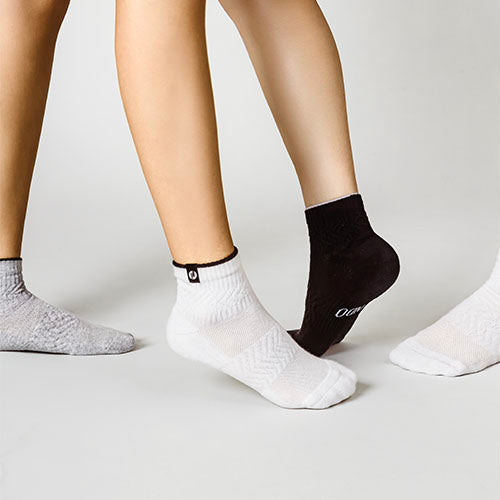
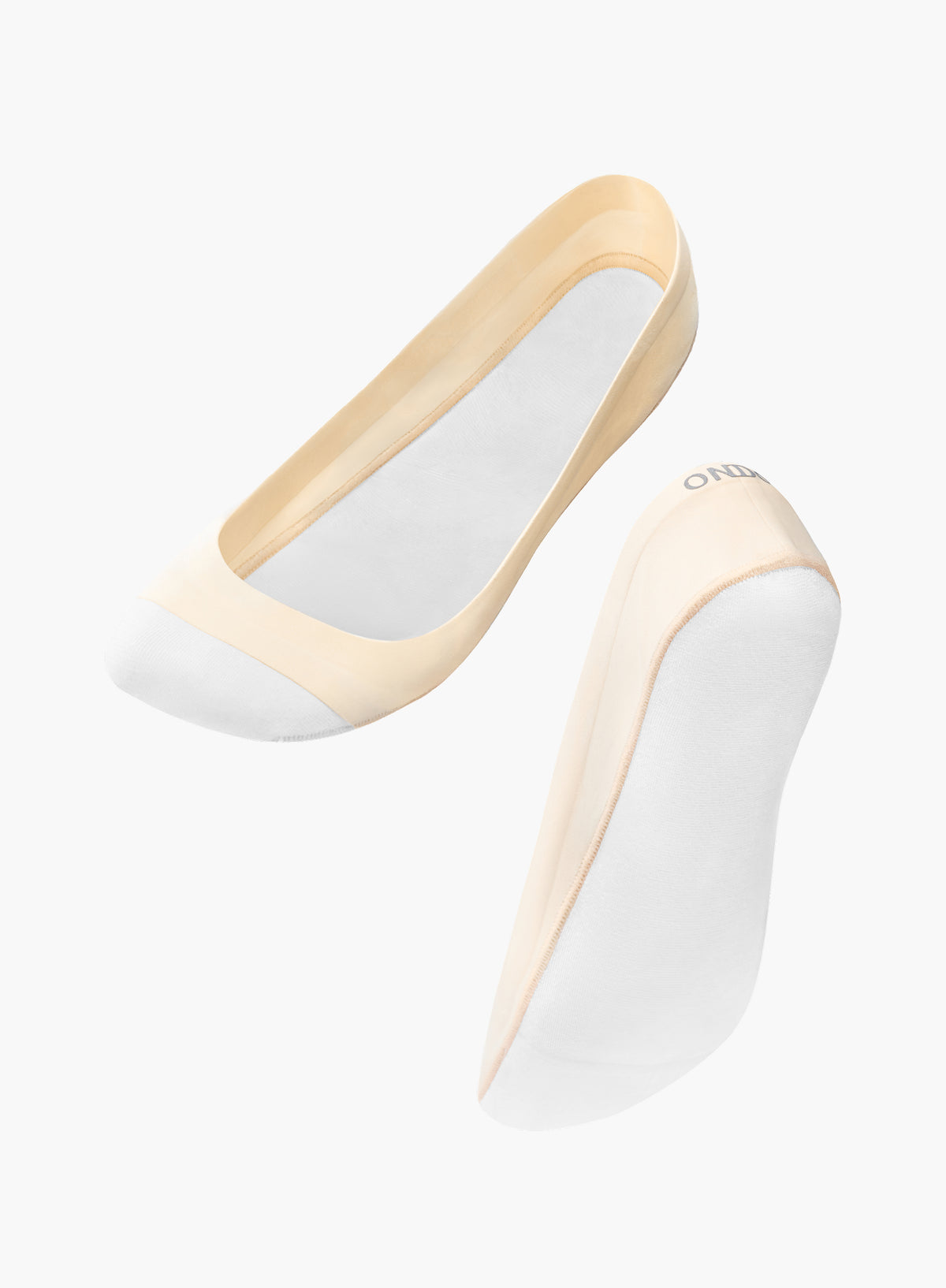
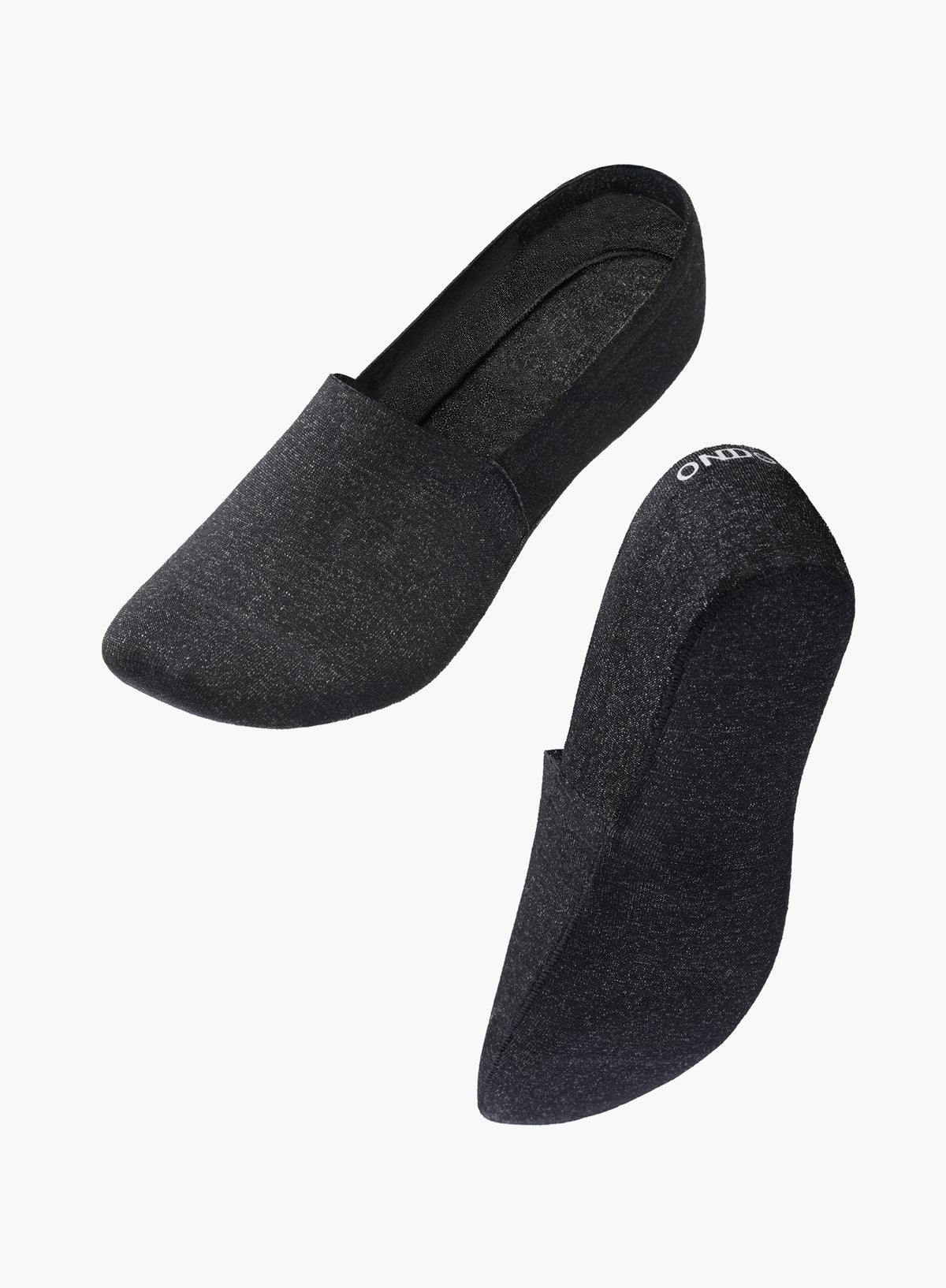
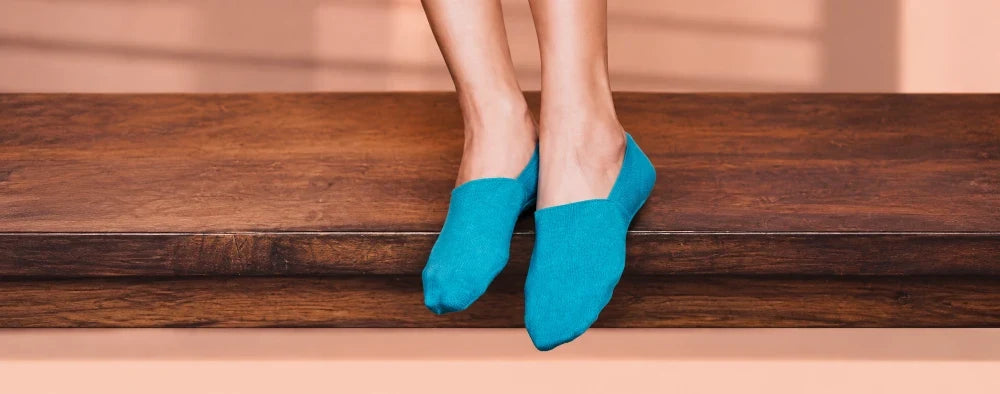
ONDO uses 67% Woolmark-certified Australian Merino Wool, 27% nylon, and 6% spandex in our Merino Wool No Show Socks. The Woolmark certification traces the wool to responsibly managed Australian sources, part of our commitment to quality, lower-impact materials. The wool provides softness, moisture management, and temperature regulation, while nylon and spandex add stretch, structure, and shape recovery.
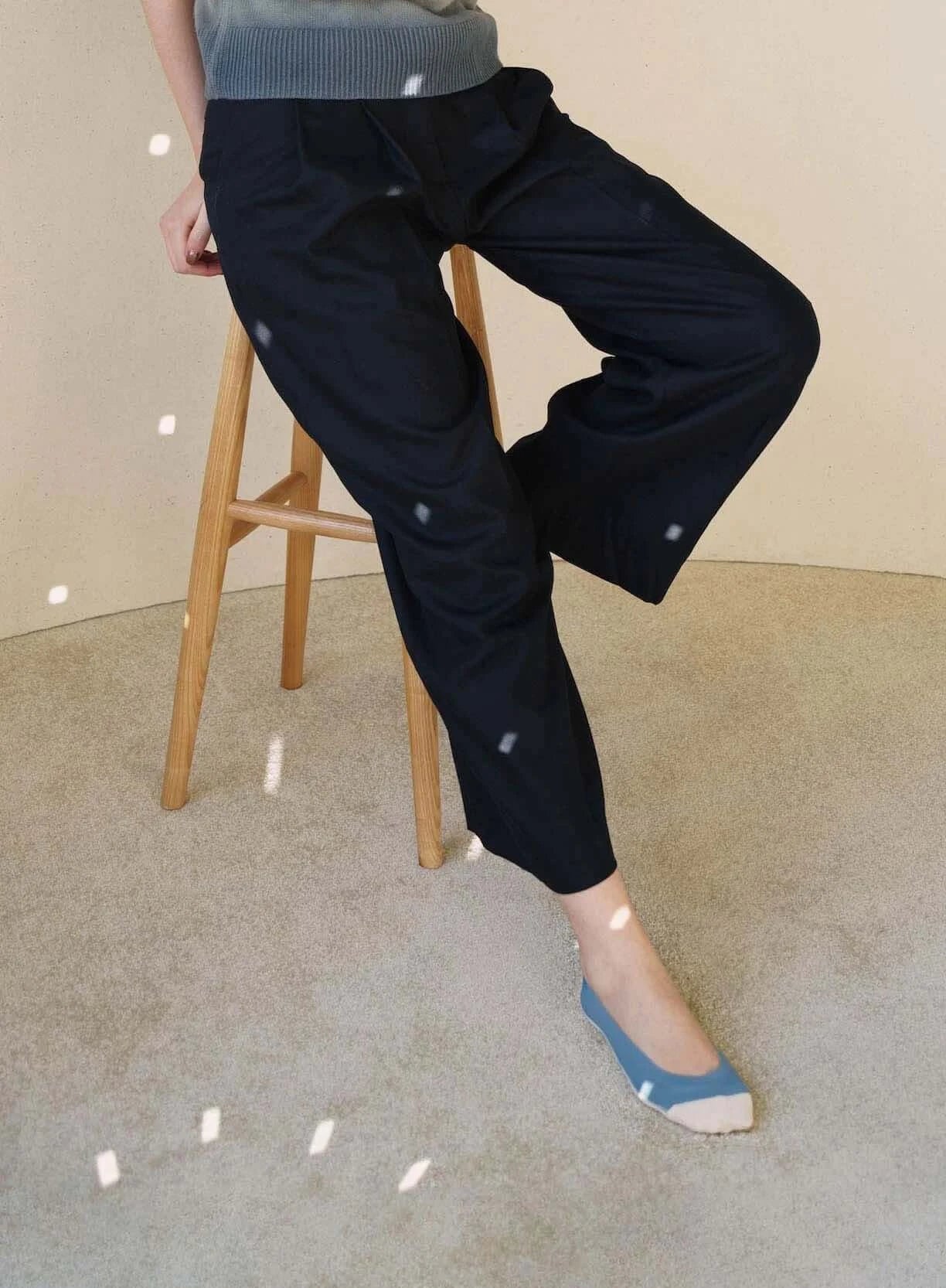
A silicone heel grip keeps the sock in place, and the double-layered toe reinforces a high-friction area. The combination brings Merino’s natural properties into a no show construction designed for everyday wear. Explore the Merino Wool collection for available styles.
FAQs on benefits of Merino Wool socks
Are Merino Wool socks good for everyday wear?
Do Merino Wool socks keep feet warm or cool?
Are Merino Wool socks worth it?
Do Merino Wool socks smell less than cotton?
Read more
To learn how to fold socks to wear with flats, lower the cuff beneath the shoe line and smooth the extra fabric under the arch or sole. Keep the material flat so no edge shows above the opening. T...
Do Merino Wool socks shrink? Yes, especially when exposed to heat, moisture, and heavy agitation. These conditions can cause wool fibers to felt and change dimensions, altering the sock’s fit. Man...