





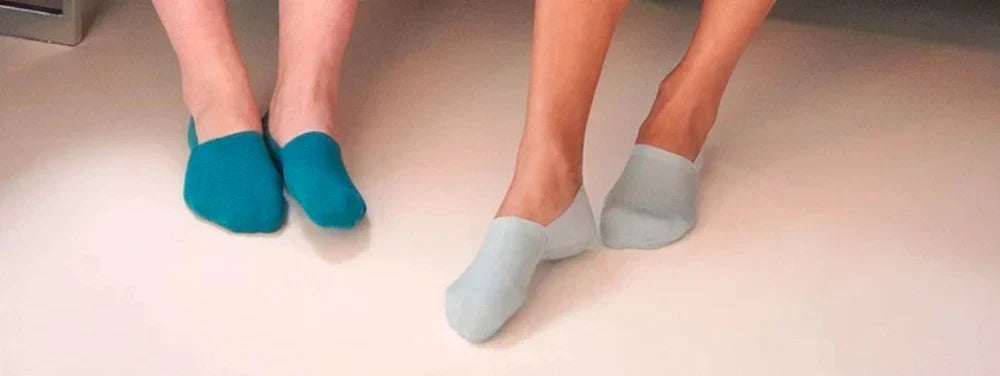
Are Merino Wool Socks Good for Summer? Breathability Tips
Lightweight Merino Wool socks can work well in warm weather. The fibers help regulate temperature, release excess heat, and move moisture away from the skin, which makes a thin pair more summer-friendly than its cold-weather reputation suggests.
For better summer comfort, choose a lightweight construction, check the fit, and match the sock to your footwear and activity level. Merino helps manage heat and moisture, but fabric weight, knit construction, and how much your feet sweat still affect how comfortable the socks feel during long, warm days.

Why Lightweight Merino Wool Socks Can Work in Summer
Merino wool is often associated with cold-weather clothing, but lightweight Merino socks can also work in warmer conditions. The material helps regulate temperature and manage moisture, while a lightweight construction reduces unnecessary bulk inside the shoe.
A thin no show sock will feel different from a dense winter sock. Fabric blend, thickness, fit, footwear, and activity all affect how comfortable it feels in warm weather.
Temperature Regulation
Merino wool helps regulate temperature around the foot as conditions change. Its fibers can absorb moisture vapor, helping maintain a more balanced environment inside the shoe. In a lightweight, breathable knit, it provides coverage with less insulation and bulk than thicker wool socks, making it more suitable for warm weather without actively cooling the feet.
Moisture and Odor Management
Merino fibers absorb moisture vapor into their internal structure, helping manage humidity next to the skin. Proteins in the wool can also bind with some odor-causing compounds, reducing how readily they are released during wear. This does not prevent perspiration or eliminate odor, but it can help socks feel fresher over longer periods.
Breathability and Sock Construction
Breathability depends on sock construction as well as fiber content. A lightweight, more open knit creates more space for air and moisture vapor to move through the fabric, while minimal cushioning reduces thickness, bulk, and insulation. For summer, assess knit density, thickness, and cushioning instead of relying on Merino percentage alone.
How to Choose Merino Wool Socks for Summer
Choose summer Merino socks based on construction, material blend, footwear, and activity. Lightweight designs with minimal cushioning are usually more practical in warm conditions than thick styles made for winter footwear.
Choose a Lightweight Construction
A thin Merino sock with minimal cushioning takes up less space inside the shoe and adds less insulation than a thicker design. This makes it easier to wear in warm weather and with close-fitting footwear. For everyday use, low cushioning is often sufficient, while running or hiking may require targeted padding in high-impact areas.
Check the Full Material Blend
Merino is often blended with nylon for durability and spandex for stretch, recovery, and shape retention. The supporting fibers also influence how securely the sock fits and how well it holds its form after repeated wear. Review the full composition rather than using Merino percentage alone as the main measure of quality or performance.
Match the Sock to the Shoe
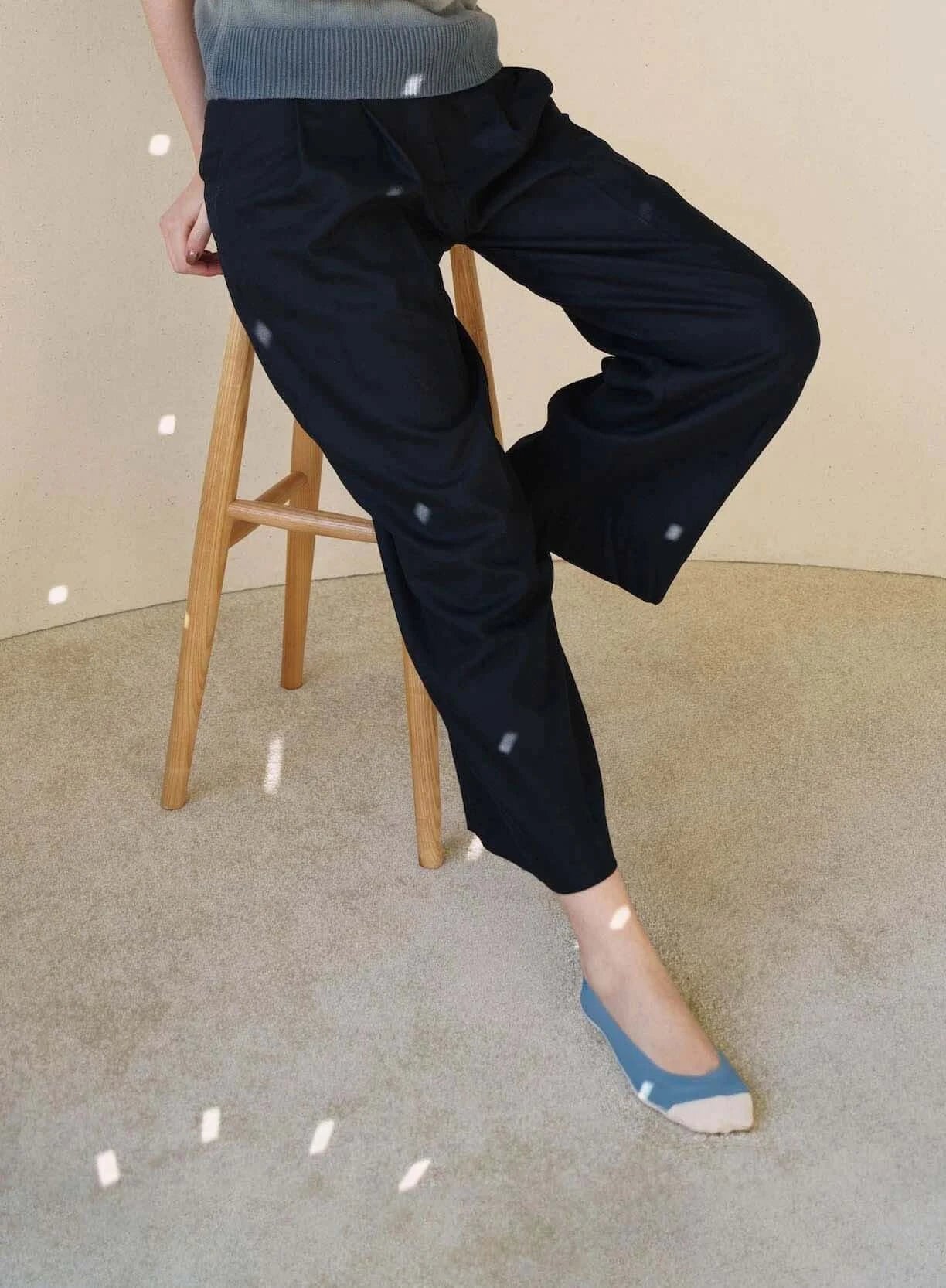
Choose sock thickness and cushioning based on the space inside the shoe, and select the height according to the shoe opening. Close-fitting footwear generally works better with thin, low-bulk socks, while roomier shoes can accommodate more cushioning. For example, a lightweight no show Merino sock may suit fitted loafers, while walking shoes may work better with greater coverage and targeted padding.
Consider the Activity
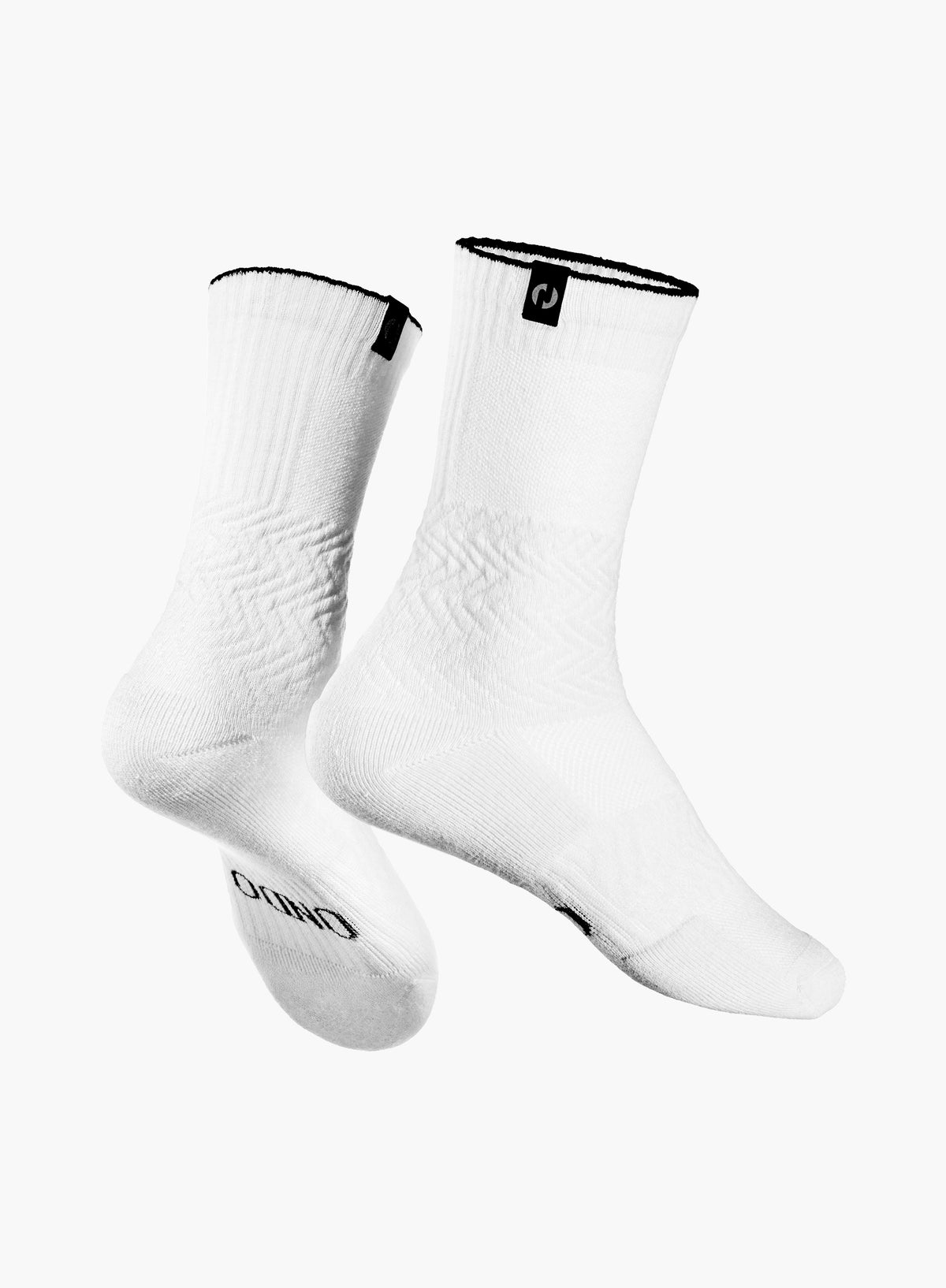
Thin, minimally cushioned socks work well for commuting, travel, and casual walking. Running and hiking may benefit from targeted padding and a secure fit to manage repeated impact and friction. Cycling usually calls for a close-fitting, low-bulk design that sits comfortably inside the shoe without adding unnecessary pressure during longer rides.
ONDO’s Lightweight Merino No Show Option for Summer
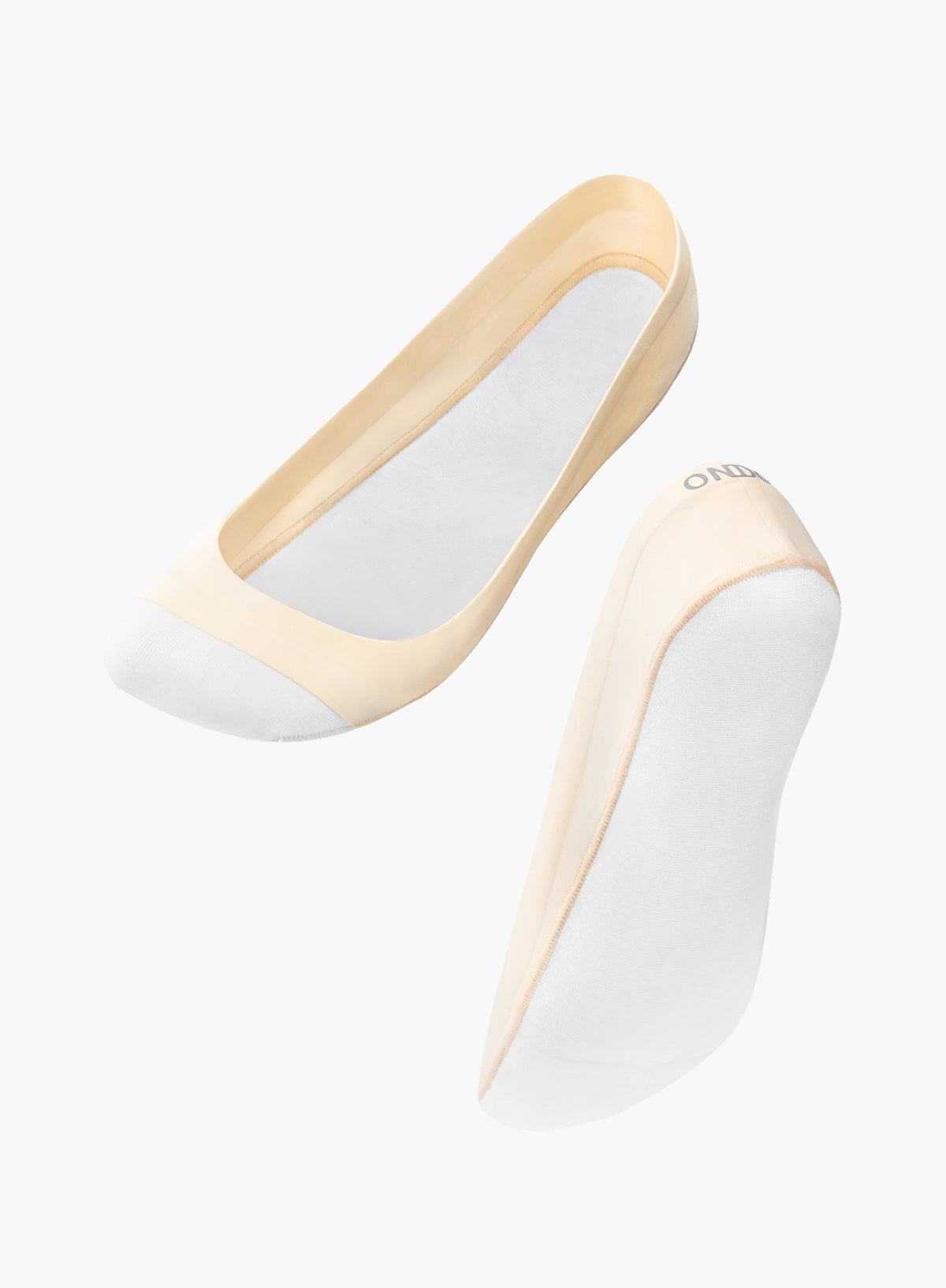
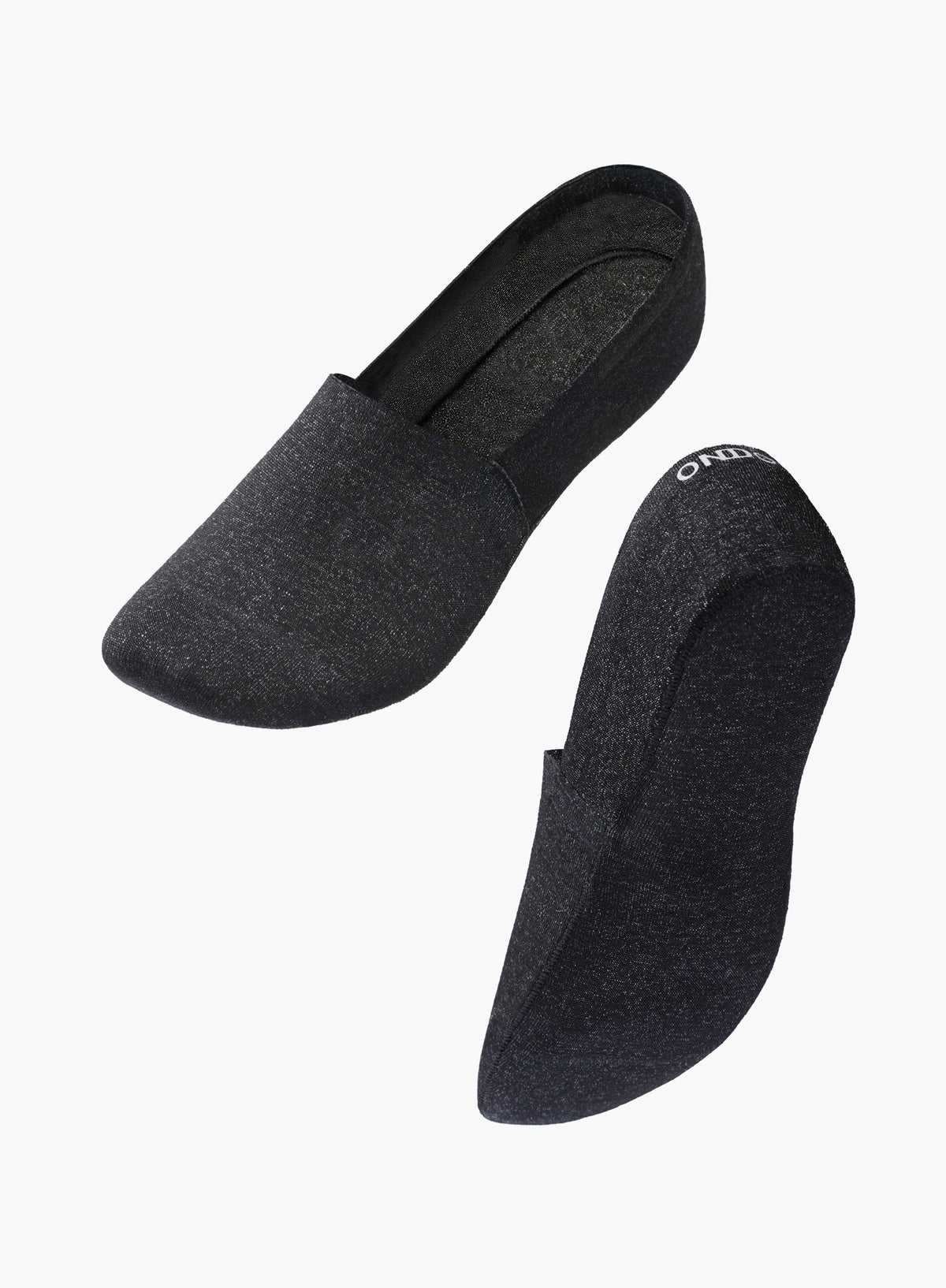
ONDO’s Merino Wool Socks show how Merino can be used in a lightweight, low-profile design for warm-weather footwear. The blend contains 67% Woolmark-certified Australian Merino wool, 27% nylon, and 6% spandex. It combines Merino’s moisture, temperature, and odor-management properties with the durability, stretch, and shape retention provided by supporting fibers.
The no show profile works with sneakers, loafers, and some flats, although visibility depends on the shoe opening, foot shape, and size. A wide silicone heel grip helps keep the sock in place, while the double-layered toe adds protection to extend wear and reduce toe holes. Together, these details illustrate what to consider in a summer Merino sock: lightweight construction, a balanced fiber blend, low-profile coverage, and a secure fit.

How to Care for Merino Wool Socks in Summer
Proper care helps preserve the shape, softness, and fit of Merino wool socks during warm-weather use. Follow these steps after wearing:
- Check the product-specific care label before washing, as fiber blends, knit structures, and finishing treatments may require different settings.
- Wash after heavy perspiration or when the socks develop noticeable odor, visible dirt, or a damp feel that remains after airing.
- Use cold water and select a gentle or wool cycle when allowed by the label to reduce agitation, stretching, and fiber damage.
- Choose a mild detergent and avoid bleach or fabric softener, which can affect the wool fibers and reduce moisture performance.
- Do not wring, iron, or expose the socks to high heat, as excessive pressure and temperature can distort the shape or damage the fabric.
- Gently reshape the socks after washing, then air-dry them flat or hang them according to the care instructions.
- Allow the socks to dry completely before rewearing or storing them to reduce lingering moisture and odor.
- Keep damp socks out of enclosed bags, drawers, and laundry baskets, where trapped humidity can affect freshness and fabric condition.
(For the full routine, see our guide on How to wash Merino Wool socks.)
Lightweight Merino wool socks can work well in summer because the fiber supports temperature regulation, moisture management, breathability, and odor control. Comfort still depends on knit density, cushioning, fit, footwear, activity, and humidity. For warm weather, choose a thin, low-cushion pair suited to the shoe and intended use rather than relying on Merino content alone.
FAQs
Are Merino wool socks good for hot and humid weather?
Do Merino wool socks make my feet sweat?
Does merino wool make you overheat?
Do Merino wool socks need washing after every summer wear?
What sock weight is best for summer?
Read more
Merino wool socks are made with fine wool from Merino sheep, often blended with nylon, elastane, or other fibers to support fit and durability. Merino content, fiber blend, knit density, cushioning...
The best crew socks for men balance comfort, fit, and support without adding unnecessary bulk inside the shoe. This guide explains how materials, construction, and intended use affect performance, ...