






Do Merino Wool Socks Shrink? What Causes It and How to Prevent It
Do Merino Wool socks shrink? Yes, especially when exposed to heat, moisture, and heavy agitation. These conditions can cause wool fibers to felt and change dimensions, altering the sock’s fit.
Many modern Merino socks use wash-stable treatments or are made for machine washing. Following the care label and avoiding excess heat or aggressive washing reduces the risk of shrinkage during laundering. The appropriate routine still depends on the fiber blend, knit structure, and care requirements of the individual pair.

Why Merino Wool Socks Shrink
Shrinkage depends mainly on laundering conditions and whether the wool has been treated for wash stability. Fiber blend and construction also influence how a sock holds its size and shape during laundering. For a closer look at how these materials work together, see what Merino Wool socks are made of
The main causes are:
- Hot water: Heat and moisture affect the surface scales of wool fibers. Combined with movement, these conditions increase the risk of felting and shrinkage.
- High dryer heat: Unsuitable tumble-drying temperatures can cause dimensional change, altering the sock’s fit. Repeated exposure to excessive heat can lead to further changes in size and shape.
- Rough wash cycles: Repeated tumbling and friction encourage wool fibers to interlock, causing felting. Strong mechanical action places more stress on the knit than a wool or delicate cycle designed for gentler movement.
- Untreated wool: Wool without a shrink-resistant or wash-stable treatment is more susceptible to felting under these conditions. Treated wool is designed to tolerate specified laundering conditions, but the care label still determines how the finished sock should be washed.
Shrinkage does not always affect every dimension equally. Depending on the knit and construction, the sock may become shorter through the foot, tighter around the ankle, or less flexible overall. A noticeably denser surface after laundering can be a sign that felting has occurred rather than a temporary change in shape.
How to Prevent Merino Wool Socks from Shrinking
Proper care reduces exposure to the conditions that lead to shrinkage. Use these five steps when laundering Merino Wool socks.
- Check the care label: Follow the instructions for the specific sock, especially the recommended water temperature, wash cycle, and drying method. These directions account for its material and construction, so they should take priority over general wool-care advice.
- Choose the recommended wash setting: If machine washing is allowed, use the temperature and cycle specified on the label. A suitable setting limits the heat and agitation associated with felting. See our guide to washing Merino Wool socks for the full process.
- Use a suitable detergent: Choose a wool-safe formula and avoid bleach. Check the label before using fabric softener or other laundry additives, since care requirements differ between products.
- Dry according to the care label: Air-dry when recommended or use the permitted dryer setting. Avoiding excessive heat reduces dimensional change during drying. Do not assume that machine washable also means suitable for tumble drying.
- Handle wet socks gently: Skip wringing or twisting, which adds friction when the fibers are wet. Press out excess water, then reshape the socks before drying. Gentle handling also reduces stretching and distortion of the knit.
The care label sets the washing and drying conditions intended for the specific construction. Using the recommended cycle, temperature, and drying method reduces exposure to the heat and agitation associated with felting over repeated washes.
What to Do If Your Merino Wool Socks Already Shrank
If the shrinkage is slight, dampen the socks, gently reshape them, then lay them flat to air-dry. This may help them regain some of their original form if the fibers have not significantly felted, though the original size may not return. Work gradually, since pulling too hard can distort the knit.
Significant felting is difficult to reverse because the wool fibers have already interlocked. Once the fabric becomes noticeably denser or remains substantially smaller after gentle reshaping, full recovery is unlikely. After reshaping, follow proper care for Merino Wool socks to avoid further exposure to high heat, friction, or agitation.
How ONDO's Merino Wool No Show Socks Are Made for Easy Care
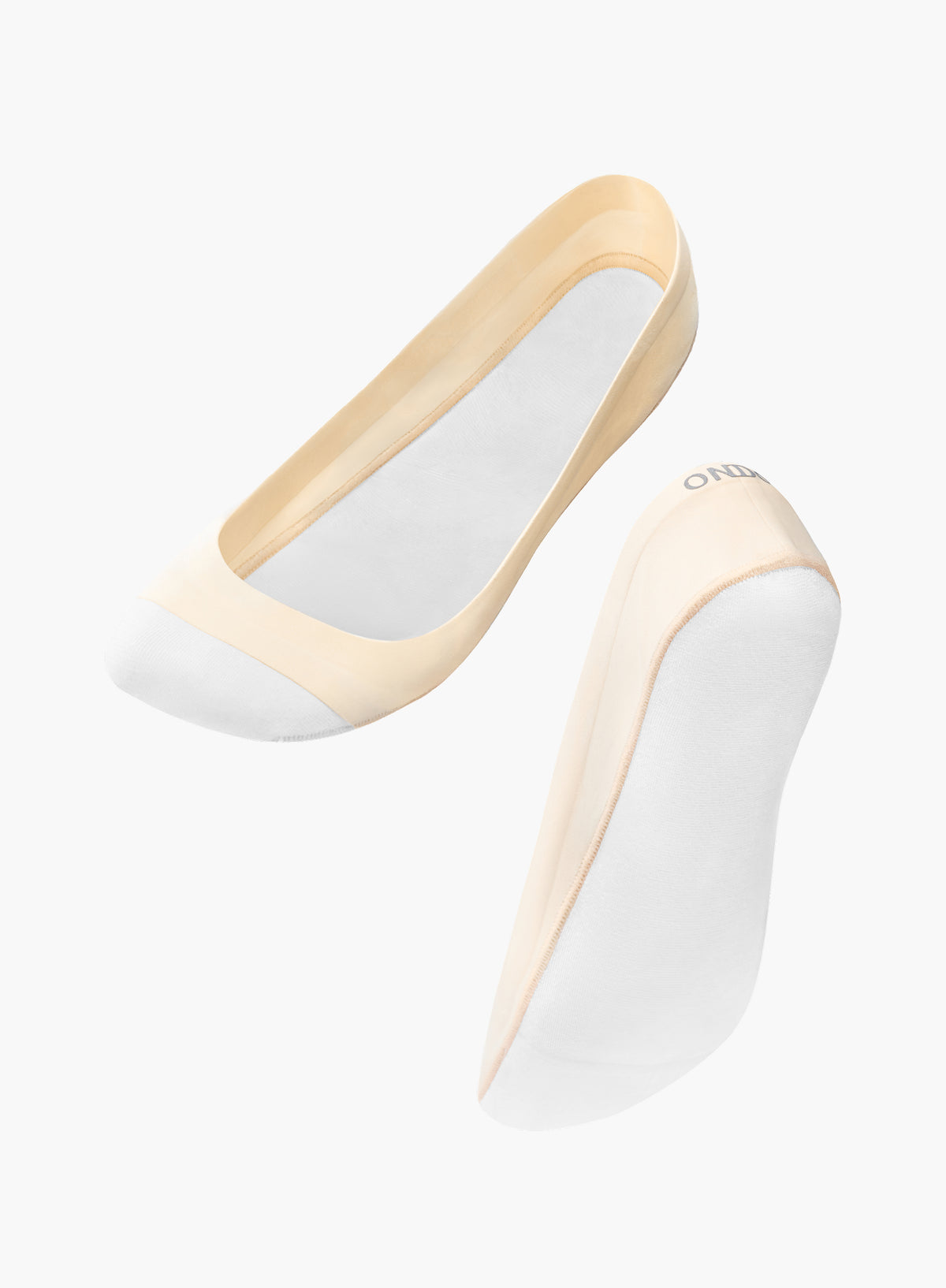
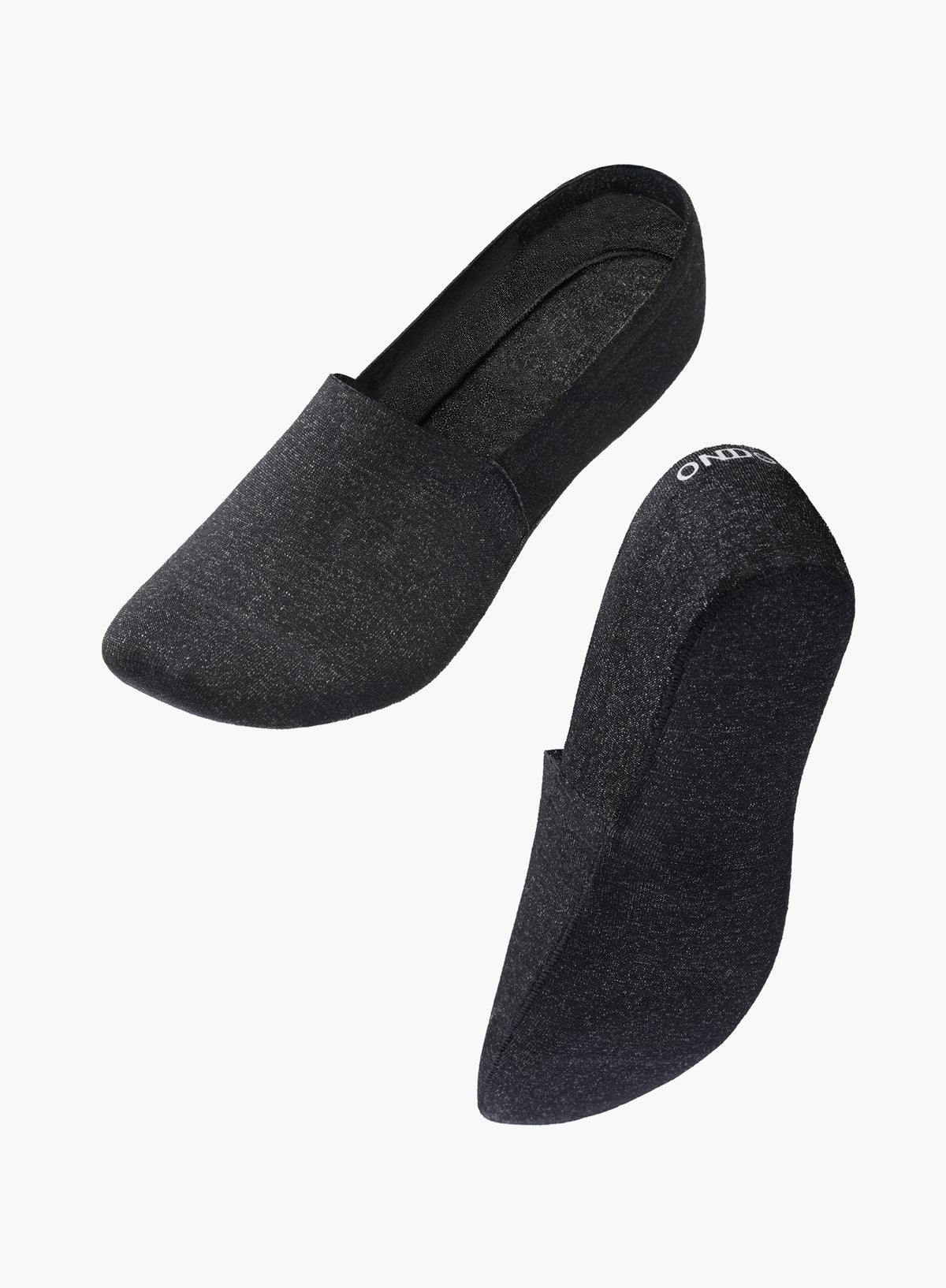
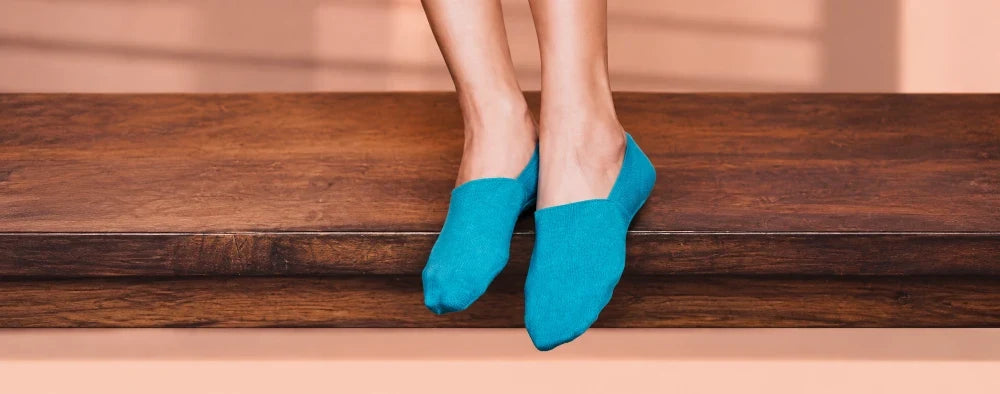
ONDO’s Merino Wool No Show Socks are machine washable, making routine care straightforward. The blend uses 67% Woolmark-certified Australian Merino Wool, 27% nylon, and 6% spandex. Nylon and spandex add stretch, structure, and shape recovery. The Woolmark certification traces the wool to responsibly managed Australian sources, part of ONDO's commitment to quality, lower-impact materials.

For care, wash the socks in cold water on a gentle cycle, then air-dry them away from high heat. This routine reduces exposure to the conditions associated with shrinkage and helps the socks retain their intended shape through regular laundering. Explore ONDO’s Merino Wool collection for an everyday Merino option designed for easier care.
FAQs
Do Merino Wool socks shrink in the wash?
Can you put Merino Wool socks in the dryer?
How do you wash Merino Wool socks without shrinking them?
Can shrunken Merino Wool socks be fixed?
Read more
The main benefits of Merino Wool socks are temperature regulation, moisture management, odor resistance, softness, and durability. Together, these qualities suit everyday wear, travel, and active u...

Across the full range, from no show and ankle to quarter, crew, and knee-high, quarter socks vs crew socks are often compared because both rise above the ankle and pair with athletic and casual foo...