





What Are Merino Wool Socks? Benefits, Types, and Care
Merino wool socks are made with fine wool from Merino sheep, often blended with nylon, elastane, or other fibers to support fit and durability.
Merino content, fiber blend, knit density, cushioning, and construction all affect how a pair feels and functions. Understanding these differences can help you choose the right socks and care for them properly.

What Are Merino Wool Socks?
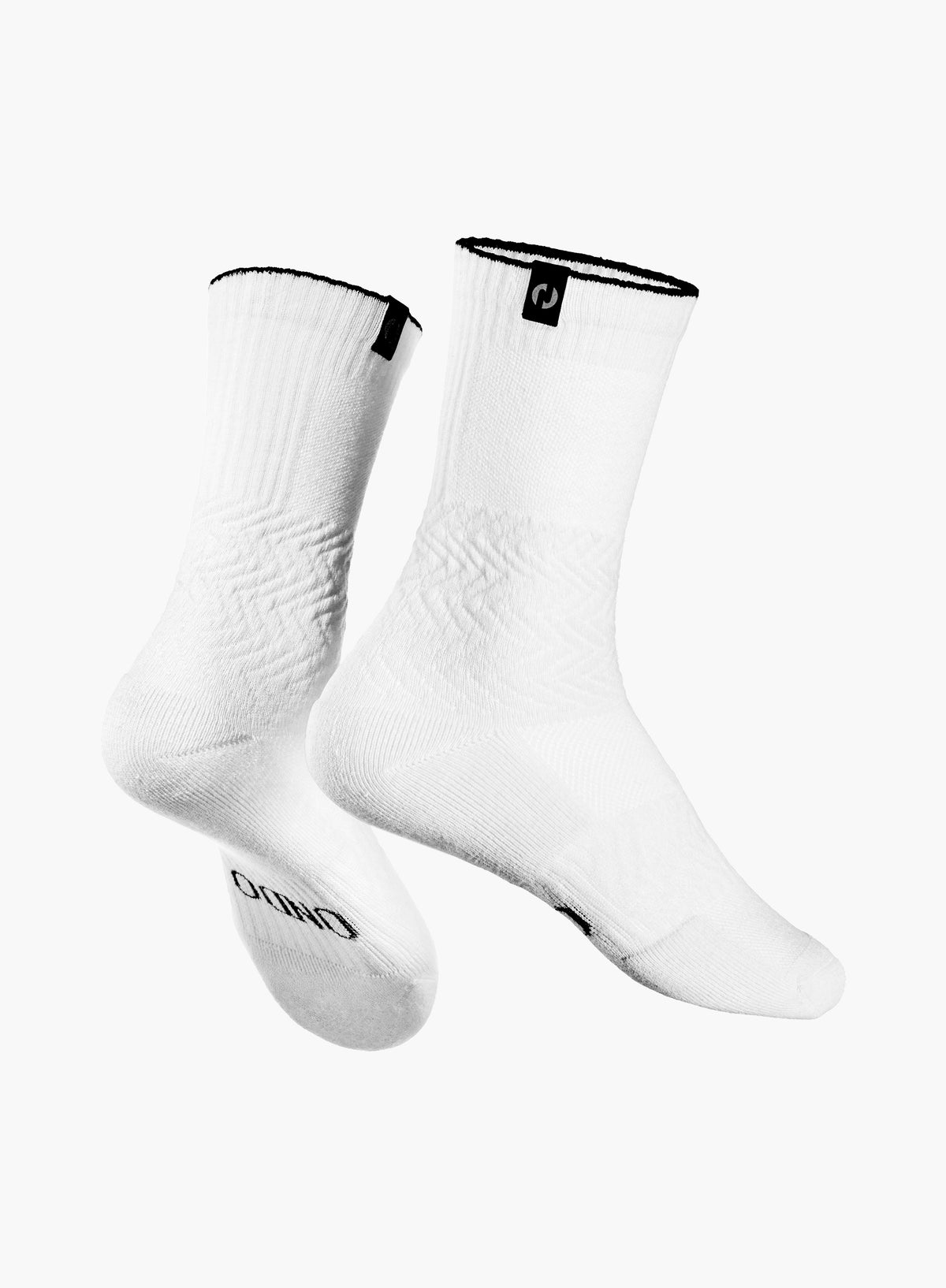
Merino wool comes from Merino sheep and is known for fibers that are finer and more flexible than many coarser wool types. In socks, it can be used in lightweight liners, low-profile no show styles, and thicker cushioned crew socks.
Most Merino socks use a fiber blend rather than wool alone. Nylon supports durability and structure, while spandex or elastane adds stretch and recovery around the heel, arch, and cuff. Knit density, reinforcement, cushioning, and fit shape the final result.
What Are the Benefits of Merino Wool Socks?
The main benefits of Merino wool socks include temperature regulation, moisture management, slower odor buildup, and soft next-to-skin comfort. The fiber blend, knit structure, cushioning, and fit determine how noticeable these benefits are.
Temperature Regulation
Merino wool helps buffer changing conditions inside footwear. Its crimped fibers trap small pockets of insulating air, while the fiber structure absorbs moisture vapor and releases it as conditions shift. Thicker knits retain more warmth, while lighter knits add less insulation and bulk.
Breathability and Moisture Management
Wool fibers absorb moisture vapor and release it as conditions allow, which may reduce a damp, clammy feel during extended wear. Lightweight socks and ventilated footwear give moisture more opportunity to escape, while dense cushioning and poorly ventilated shoes slow evaporation.
Odor Management
Merino wool can absorb odor molecules before they become noticeable, which may slow odor buildup during extended wear. This makes it practical for commuting and travel, although the socks still need regular washing based on use and their care instructions.
Softness and Lightweight Comfort
Fine Merino fibers bend easily against the skin, making them feel less coarse than many thicker wool fibers. In close-fitting footwear, a lightweight knit with minimal seams usually creates less bulk and friction than heavy cushioning.

How Do Merino Wool Socks Compare With Regular Wool and Cotton?
Merino wool, non-Merino sheep wool, and cotton differ in next-to-skin feel, warmth, moisture handling, odor buildup, and care. The comparisons below describe general tendencies rather than guaranteed performance, since fiber quality, fabric blend, knit structure, cushioning, and sock thickness also affect the result.
|
Comparison factor |
Merino wool socks |
Regular wool |
Cotton socks |
|
Feel against the skin |
Soft and less coarse |
Fine to coarse |
Soft and familiar |
|
Warmth |
Moderate to high |
Usually warm |
Low to moderate |
|
Feel after sweating |
Less clammy |
Can feel heavy when thick |
Often damp and clingy |
|
Odor buildup after extended wear |
Slower |
Slow to moderate |
Faster when damp |
|
Care requirements |
Gentle wash, low heat |
Gentle wash, careful drying |
Usually machine washable |
|
Suited for |
Travel and extended wear |
Cold-weather use |
Everyday easy-care wear |
Note: “Regular wool” broadly refers to non-merino sheep wool, which varies considerably by fiber type and construction.
How to Choose Merino Wool Socks
Choose Merino wool socks based on footwear, warmth, fit, construction, and care needs rather than wool percentage alone.
- Footwear: Lightweight, low-bulk socks suit fitted shoes, while thicker or cushioned styles work better with boots and roomier footwear.
- Fiber blend: Nylon adds durability and structure, while spandex or elastane improves stretch, recovery, and overall fit.
- Construction: Check the level of cushioning, seam placement, reinforced areas, and overall bulk to make sure the sock suits the intended shoes.
- Sock height: Crew socks provide more ankle and lower-leg coverage, while no show styles remain hidden inside many low-profile shoes.
- Heel grip: For no show styles, a silicone heel grip helps hold the sock around the heel and reduce slipping during wear.
How Merino Wool Works in a No Show Sock
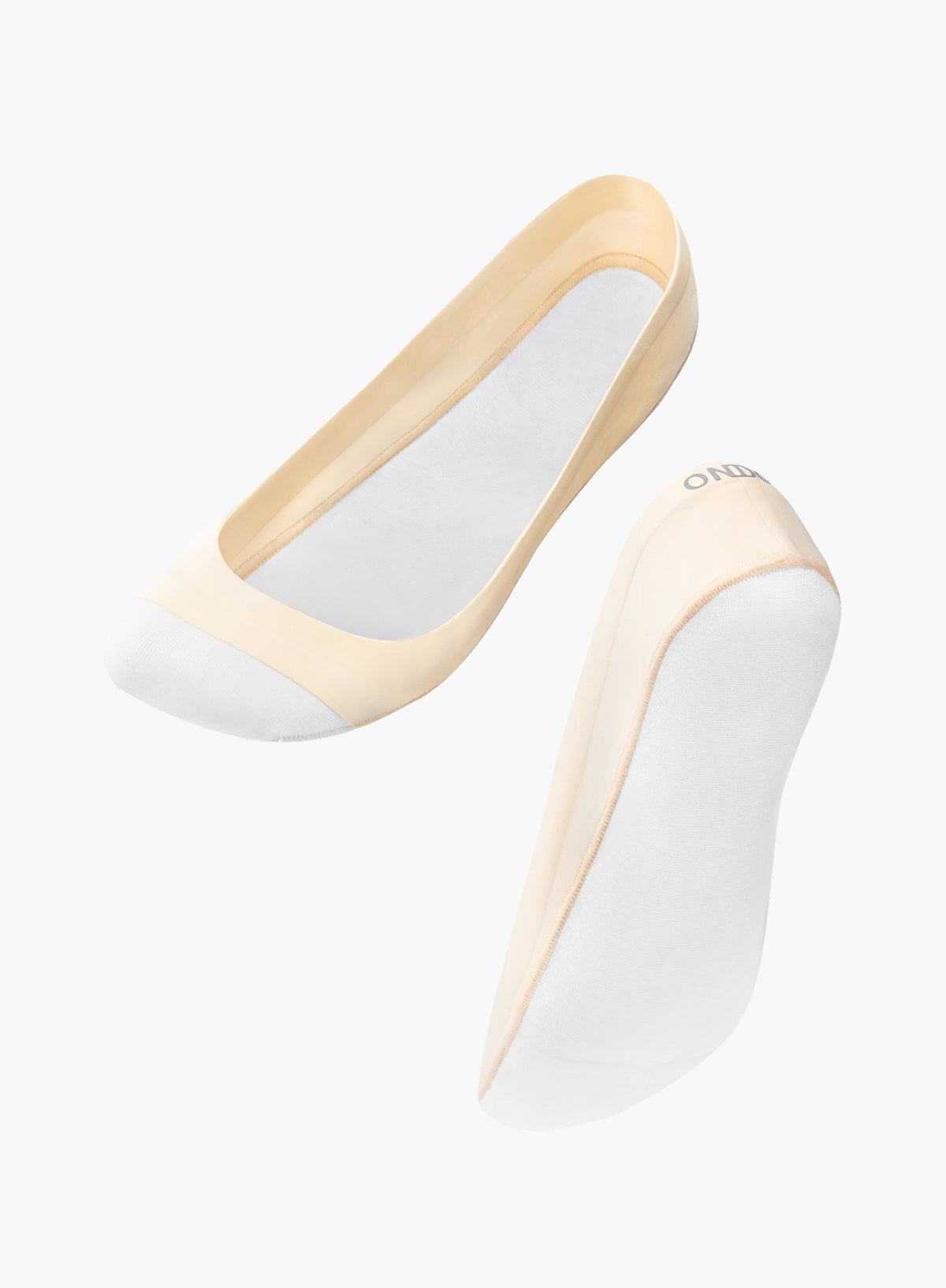
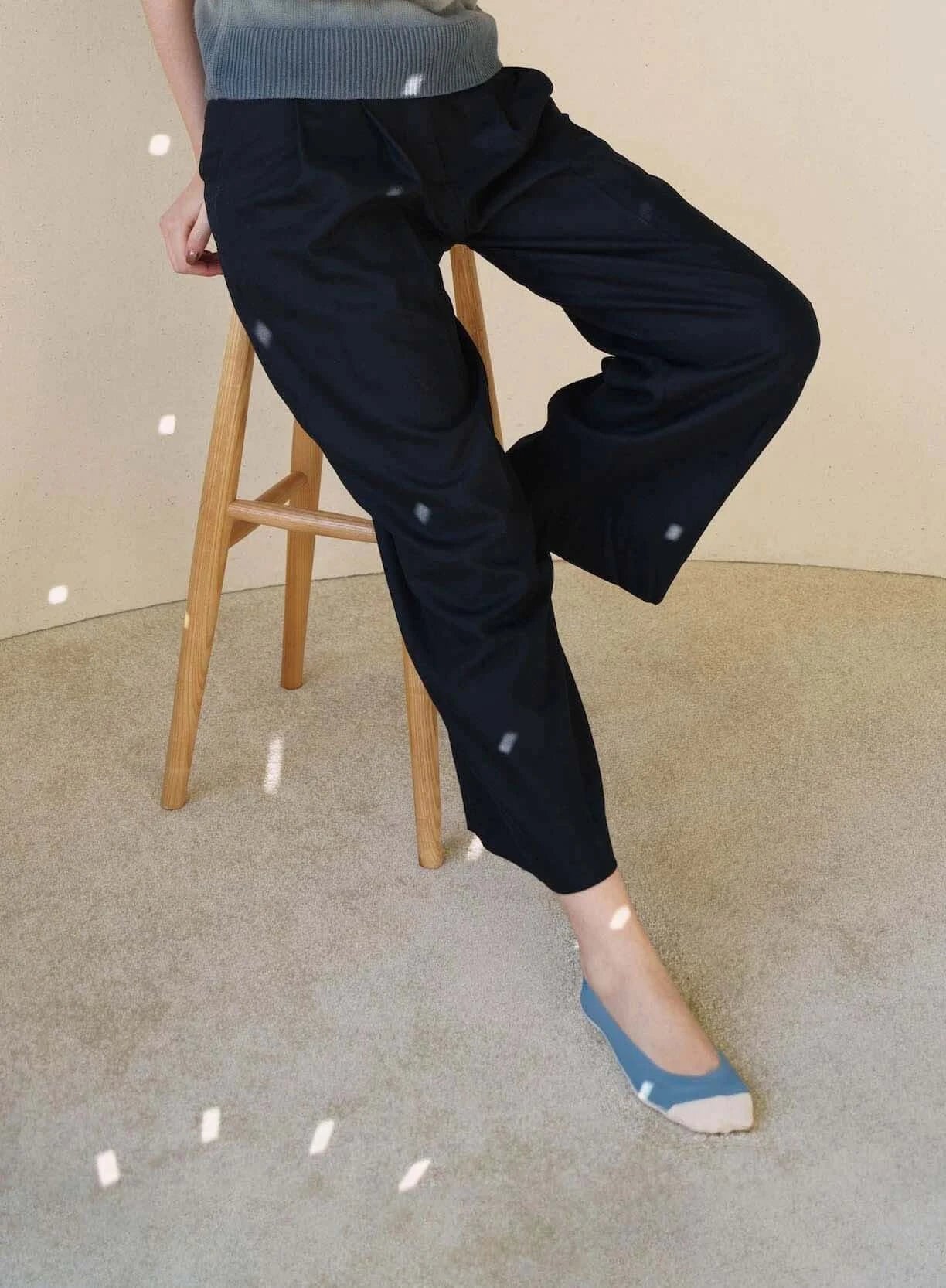
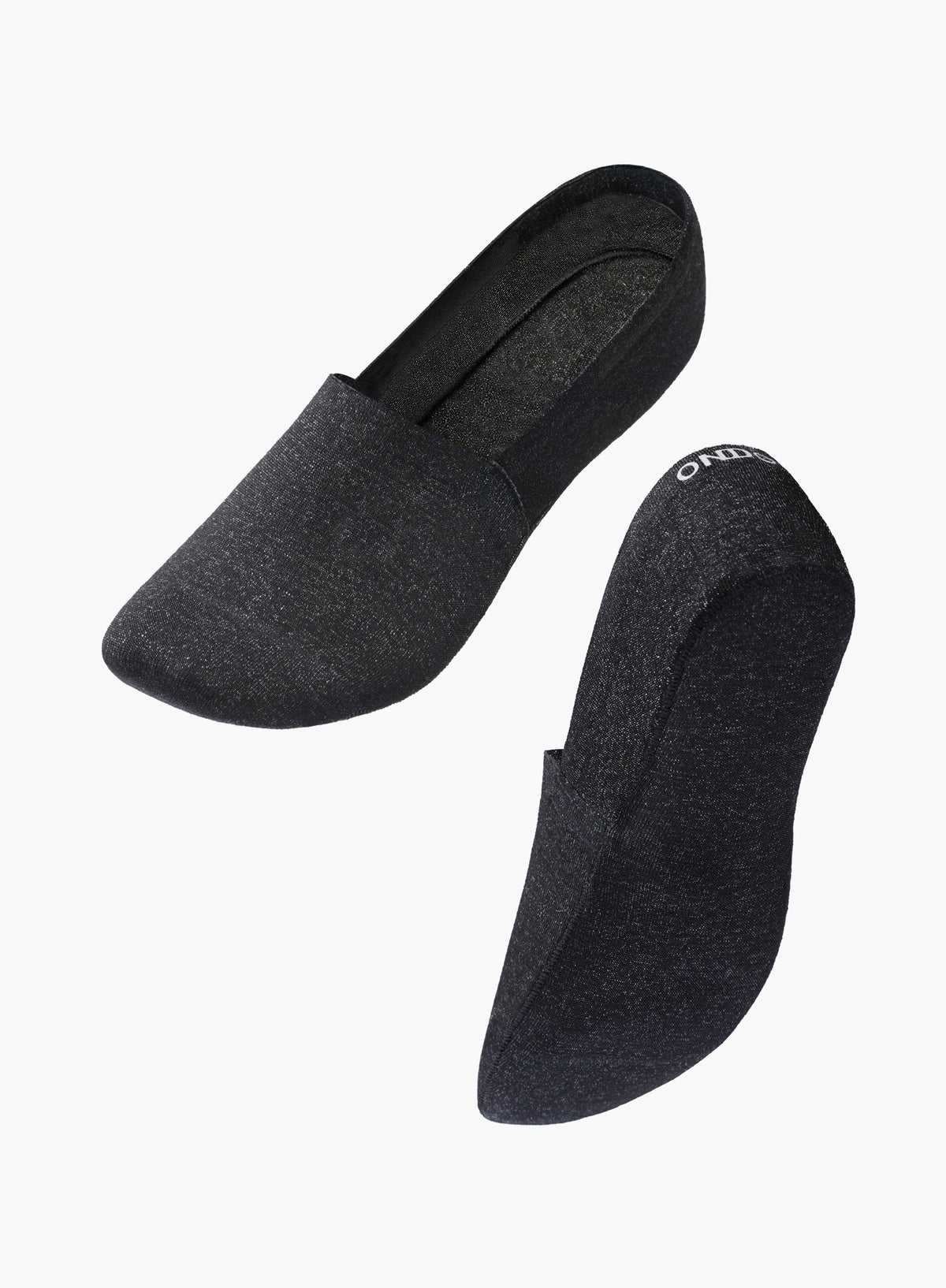
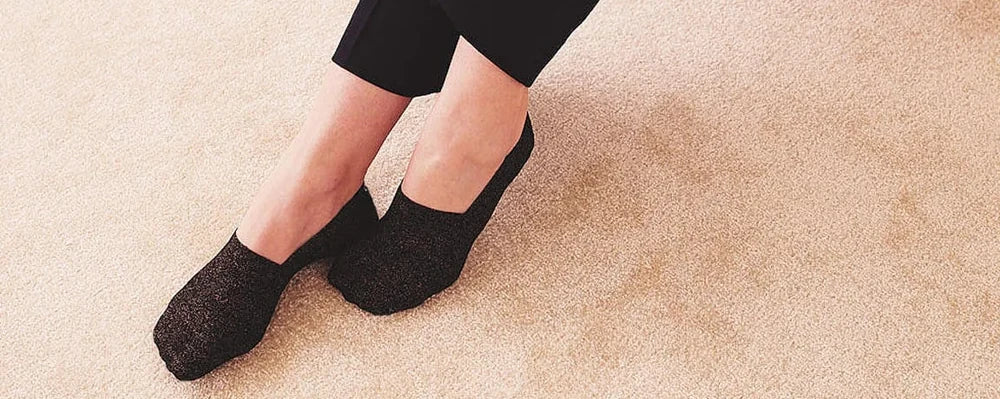
ONDO’s Merino Wool No Show Socks show how Merino wool can be adapted for low-profile footwear. They feel soft and barely-there against the skin while holding their shape and stretch through a long day, then hold steady at the heel so they stay hidden in low shoes. That comes from a blend of 67% Woolmark-certified Australian Merino Wool for the soft next-to-skin feel, with 27% nylon and 6% spandex adding the structure, stretch, and recovery.
A wide silicone heel grip helps hold the sock in place, while the double-layered toe reinforces a high-friction area. Coverage still depends on shoe shape, sock size, and foot shape, especially with very shallow footwear.
How to Wash and Care for Merino Wool Socks
Always check the care label before washing Merino wool socks, as the recommended method depends on the fiber blend and construction.
When machine washing is allowed:
- Use cold water and a wool or delicate cycle.
- Choose a mild, neutral detergent.
- Avoid bleach and fabric softener.
- Air-dry unless the care label specifically permits tumble drying.
When hand washing:
- Place the socks in clean, lukewarm water at approximately 30°C.
- Add a small amount of mild or wool-safe detergent.
- Soak for about 10 minutes without scrubbing, twisting, or wringing.
- Rinse thoroughly, press out excess water gently, and reshape the socks while damp.
- Let them dry completely before wearing or storing.
Gentle care helps preserve the knit structure, elasticity, heel fit, and overall shape.
For more detail, see our guide on how to wash Merino Wool socks.
Conclusion
Understanding what Merino wool socks are means looking beyond the fiber name. Blend, knit, fabric weight, coverage, footwear, and care all shape the finished pair. Compare the full construction to your intended use, from cushioned crew socks to lightweight no show styles.
FAQs on Merino Wool Socks
Are Merino Wool Socks Thick?
Are Merino Wool Socks Waterproof?
Are Merino Wool Socks Worth It?
Are Merino Wool Socks Good for Hiking?
Are Merino Wool Socks Good for Winter?
Can I Wear Merino Wool Socks for Cycling?
Can I Wear Merino Wool Socks in Summer?
Read more
The best socks to wear with ballet flats are low-cut, close-fitting, and built to stay put. Because these shoes have a shallow opening and little structure around the heel, ordinary no show styles ...
Lightweight Merino Wool socks can work well in warm weather. The fibers help regulate temperature, release excess heat, and move moisture away from the skin, which makes a thin pair more summer-fri...