

Are Merino Wool Socks Worth It? An Honest Breakdown
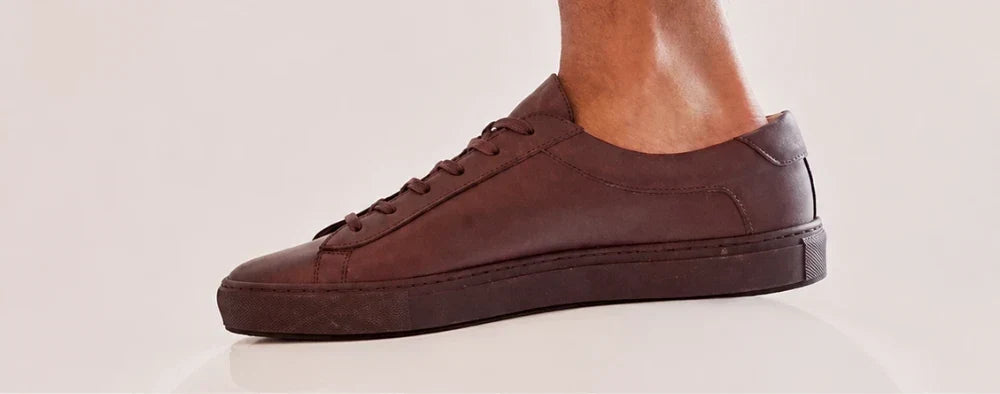
Are Merino Wool socks worth it? Often, yes, especially for travel, long days, and changing temperatures. Their moisture management, odor resistance, and temperature regulation can make the higher price worthwhile in these settings. If you regularly spend hours in your shoes or move between climates, a well-built pair like the ONDO Merino Wool No Show Sock earns its place in the drawer.
Are Merino Wool Socks Worth It?
Yes, Merino Wool socks can be worth buying, especially if you regularly benefit from temperature regulation, moisture management, and odor resistance. These combined properties are particularly useful during long days, travel, or changing temperatures.
However, Merino Wool content alone does not determine a sock's value. The fiber blend, knit, construction, fit, and intended use all influence comfort, durability, and overall performance. This is where the ONDO Merino Wool No Show Socks stand out: a considered blend and construction built to deliver those benefits in daily wear, not just a high wool percentage on the label.

Why Do Merino Wool Socks Cost More?
Merino Wool socks cost more because fine Merino fiber carries a higher raw-material cost and goes through several preparation stages before knitting. The final price also reflects wool content, knit complexity, cushioning, reinforcement, shaping, certification, and quality control.
- Merino Wool percentage and fiber quality: Higher Merino content and finer, more consistent fibers raise the material cost.
- Fiber preparation: Wool is sorted, cleaned, carded, combed, and spun before it becomes usable yarn.
- Supporting fibers: Nylon, polyester, and elastane support stretch, recovery, structural stability, and abrasion resistance.
- Knit density and sock weight: Denser knits, heavier constructions, and added cushioning use more yarn and require more complex knitting.
- Reinforcement and shaping: Strengthened heels, toes, support zones, and shaped construction require additional material and more involved production.
- Certification and quality control: Certified products carry testing, traceability, licensing, inspection, and quality-assurance costs.
These factors explain the higher price, but cost alone does not guarantee better performance. Construction, fit, and suitability for the intended use still matter.
ONDO builds the Merino Wool No Show Sock around exactly these details, so the price reflects a pair engineered to perform, not just a premium fiber name.
What Do You Get for the Higher Price?
The added value of Merino Wool socks comes from combining temperature regulation, moisture management, odor resistance, and next-to-skin comfort in one pair. The result still depends on the sock’s weight, construction, fit, footwear, and intended use.
Temperature Regulation Across Seasons
Merino Wool helps regulate the microclimate inside footwear by managing heat and moisture, making it useful across seasons and changing conditions. It does not actively heat or cool the foot. Instead, it helps stabilize temperature and humidity inside the shoe.
Sock weight affects how the pair feels and performs. Lightweight styles suit warm weather and close-fitting shoes. Thicker or cushioned pairs add insulation and padding for cold conditions, boots, and walking shoes.
Moisture and Odor Management
Merino fibers absorb moisture vapor within their internal structure, helping manage humidity next to the skin during extended wear. They also capture odor molecules and hold them until washing, helping the fabric stay fresher between washes. These properties are especially useful during travel, long workdays, and other situations where changing pairs is inconvenient.
Comfort During Extended Wear
Fine Merino fibers bend easily, giving them a smooth feel against the skin. This supports comfort during extended periods of wear.
The final feel also depends on cushioning, knit density, toe seams, elastic placement, sizing, and overall construction. A soft fiber cannot compensate for a poor fit or uncomfortable sock design.
What to Watch for in Merino Wool Socks
Before buying Merino Wool socks, look beyond the Merino label. Material composition, weight, construction, fit, and care requirements all influence how a pair performs.
- Merino Wool percentage and fiber quality: A higher wool percentage is not automatically better. Nylon, polyester, and elastane contribute to stretch, shape recovery, structure, and abrasion resistance, depending on the blend and knit.
- Weight and cushioning: Lightweight constructions fit easily inside close-fitting shoes and suit warm conditions. Thicker or cushioned pairs add insulation and padding but require more space inside the footwear.
- Heel and toe construction: Reinforced or double-layered sections protect areas exposed to repeated friction.
- Fit and finishing: Heel shape, cuff tension, toe seams, and overall stretch affect slipping, bunching, and pressure during wear.
- Care requirements: Washing and drying instructions vary by product. Check whether the pair is machine-washable, suitable for tumble drying, or intended for air-drying.
- Product-level certification: Confirm that certifications such as Woolmark apply to the specific product or material used, rather than to Merino Wool in general.
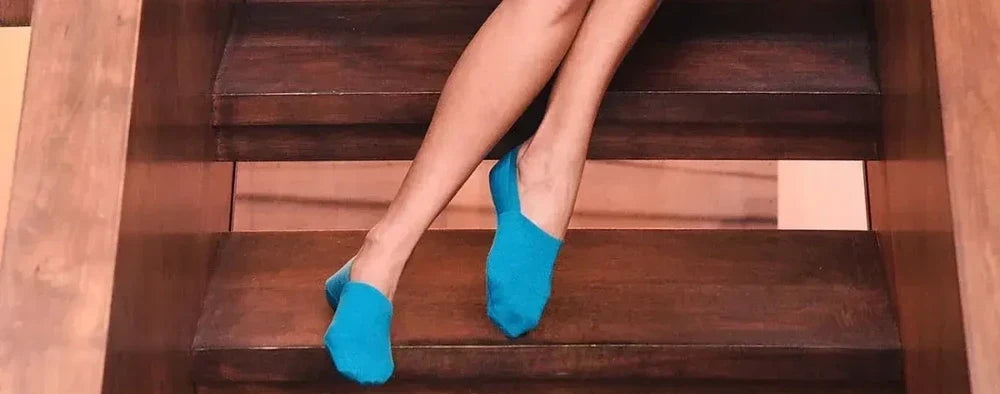
The ONDO Merino Wool No Show Socks show how these factors come together in one product. They contain 67% Woolmark-certified Australian Merino Wool, 27% nylon, and 6% spandex in a lightweight no show construction.
A wide silicone grip strip is cut and sewn directly into the heel, while the double-layered toe reinforces an area exposed to friction. The pair is machine-washable, with cold washing and air-drying recommended in ONDO’s care guidance.

When Are Merino Wool Socks Most Worthwhile?
Merino Wool socks offer the most value when changing temperatures, long periods of wear, moisture, and odor are regular concerns.
Travel and Changing Temperatures
Merino Wool socks are practical for trips involving changing climates, long transit periods, or frequent movement between air-conditioned spaces and outdoor conditions. Temperature regulation, moisture management, and odor resistance support comfort across varied travel environments.
Lightweight styles suit warm destinations and mixed indoor-outdoor travel. Thicker pairs add insulation for cold routes. Choosing the right weight simplifies packing when a trip includes different temperatures.
Long Days and Regular Wear
For people who commute, work long shifts, or spend hours on their feet, Merino Wool’s moisture management and temperature regulation support comfort throughout the day. Odor resistance also helps the fabric stay fresher between washes. Regular use makes these benefits more relevant and the higher price easier to justify.
If this sounds like your routine, ONDO Merino Wool No Show Socks are a confident pick: a lightweight, thermoregulating pair built for exactly these long, on-your-feet days.
What Should You Check Before You Buy?
Before choosing a pair, check the product details online, on the packaging, or in store:
- Will the sock’s weight and cushioning fit comfortably inside the shoes you plan to wear?
- Is there clear size guidance, including what to do if you fall between sizes?
- Are the heel, toe, or other high-friction areas reinforced where needed?
- Do the care instructions match your washing and drying routine?
- Does any certification apply to the specific product or material?
- Does the construction match the intended use, such as travel, daily wear, hiking, or low-profile footwear?
When shopping in person, feel the thickness, inspect the seams and reinforced areas, and check the fiber composition and care label before buying.
Explore ONDO Merino Wool No Show Socks to see how these factors come together in one pair.