


How to Fold Socks to Wear With Flats Without Showing
To learn how to fold socks to wear with flats, lower the cuff beneath the shoe line and smooth the extra fabric under the arch or sole. Keep the material flat so no edge shows above the opening.
This method works in a pinch with everyday socks. The steps below explain the technique, where it falls short, and why low-cut no show socks are a more practical option for regular wear.
How to Fold Socks to Wear with Flats (Step by Step)
Start with thin socks so the folded layers take up less space inside your flats. Use the shoe opening as your guide, then fold only as much fabric as needed to hide the edges.
- Choose a thin pair of socks: Avoid thick or heavily cushioned styles because folded fabric adds bulk inside shallow shoes.
- Find the shoe line: Put the socks and flats on normally. Note where the opening sits across the top, sides, and heel, then remove the shoes.
- Fold the cuff downward: Bring the top edge of the sock down toward the sole until it sits below the shoe line you just checked.
- Lower any exposed sections: Adjust the fabric around the sides or heel if those areas would still show. Keep the folds narrow instead of forming a thick band.
- Flatten the extra fabric: Spread it beneath the arch or along the sole. Avoid stacking several layers under the heel or ball of the foot, where bulk is easier to feel.
- Put the flats back on and adjust: Check the vamp, sides, and heel for visible edges. Lower any exposed section slightly and smooth out bunching before walking.
Check the sock around the full shoe opening, not just across the front. Some ballet flats expose more of the sides, so fabric that stays hidden at the vamp can still appear near the outer edges.
Why Folding Socks Is Only a Temporary Fix
When learning how to fold socks to wear with flats, the main limitation is that a regular sock still has more fabric and structure than a shallow shoe can conceal. Once folded, that extra material changes how the sock sits inside the shoe during walking.
- Bunching underfoot: Tucked layers gather beneath the arch or sole when the sock shifts during wear. Even a small fold becomes noticeable if the material collects in one spot instead of staying spread across the sole.
- Shifting at the opening: Movement loosens the tucked sections and may expose the sock edge above the shoe line. A fold that looks hidden when you first put the flat on may move as the foot bends through each step.
- Extra bulk affects fit: Added thickness takes up interior space, making tighter areas feel crowded. Shallow flats leave little room for stacked fabric around the sides, heel, or forefoot.
- Longer wear feels less comfortable: Folded fabric becomes more noticeable as the foot moves inside the shoe. Repeated adjustments also make the workaround less convenient when you plan to wear the flats for several hours.

For a more practical long-term option, see our guide to socks to wear with ballet flats. It covers low-cut profiles, fit, and heel grip for keeping socks concealed in low-opening styles.
The Better Solution: Low-Cut No Show Socks
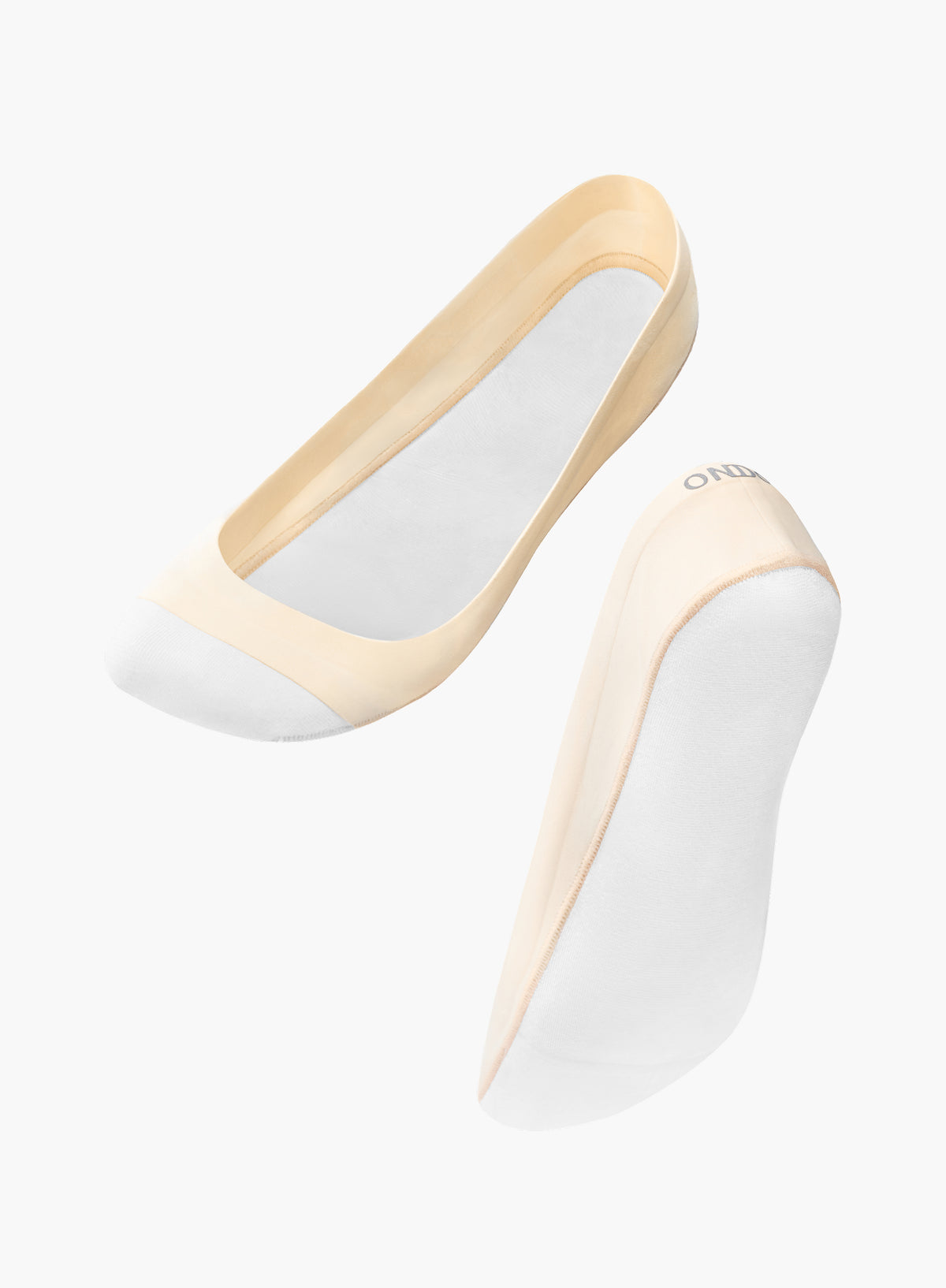
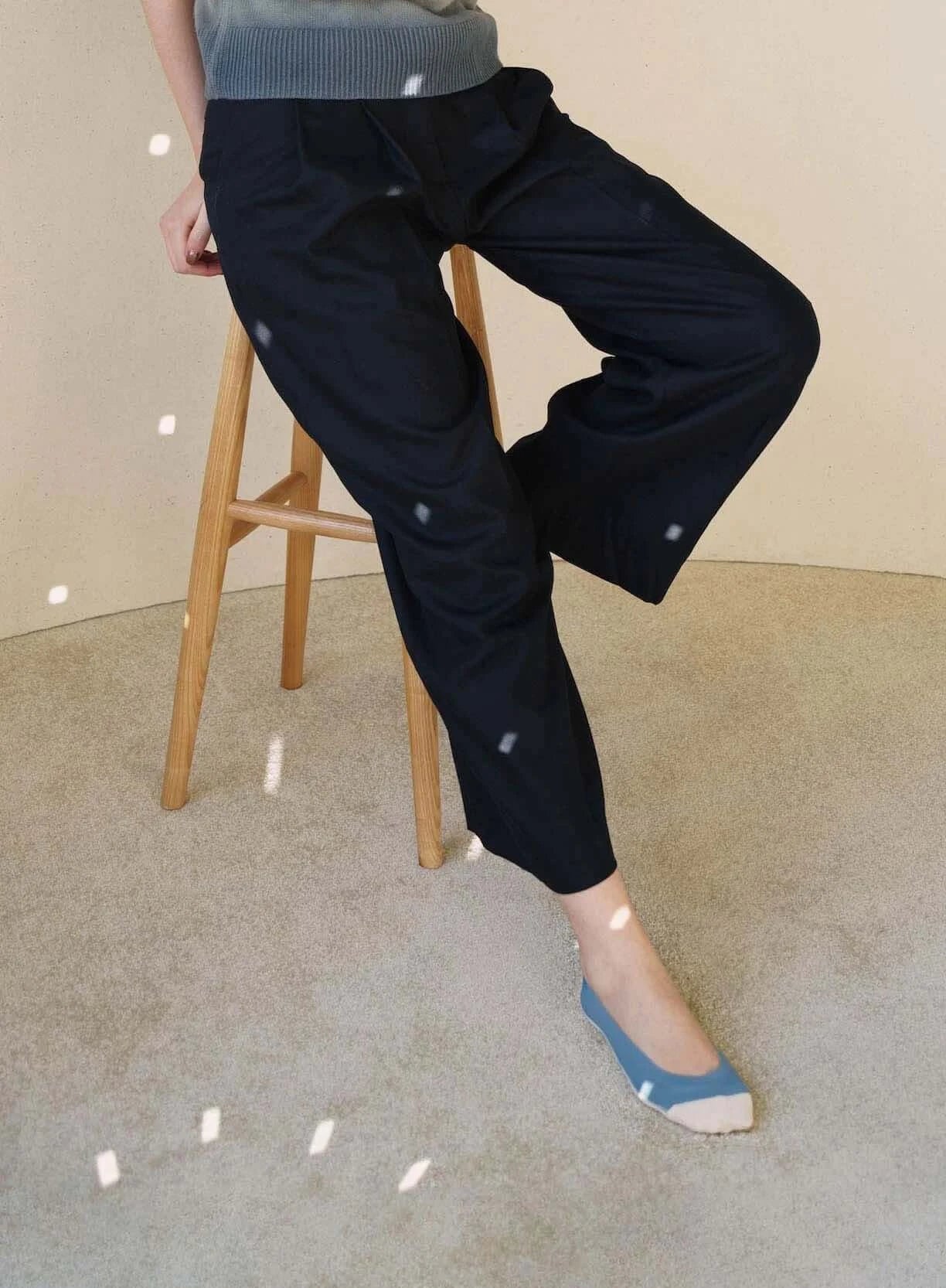
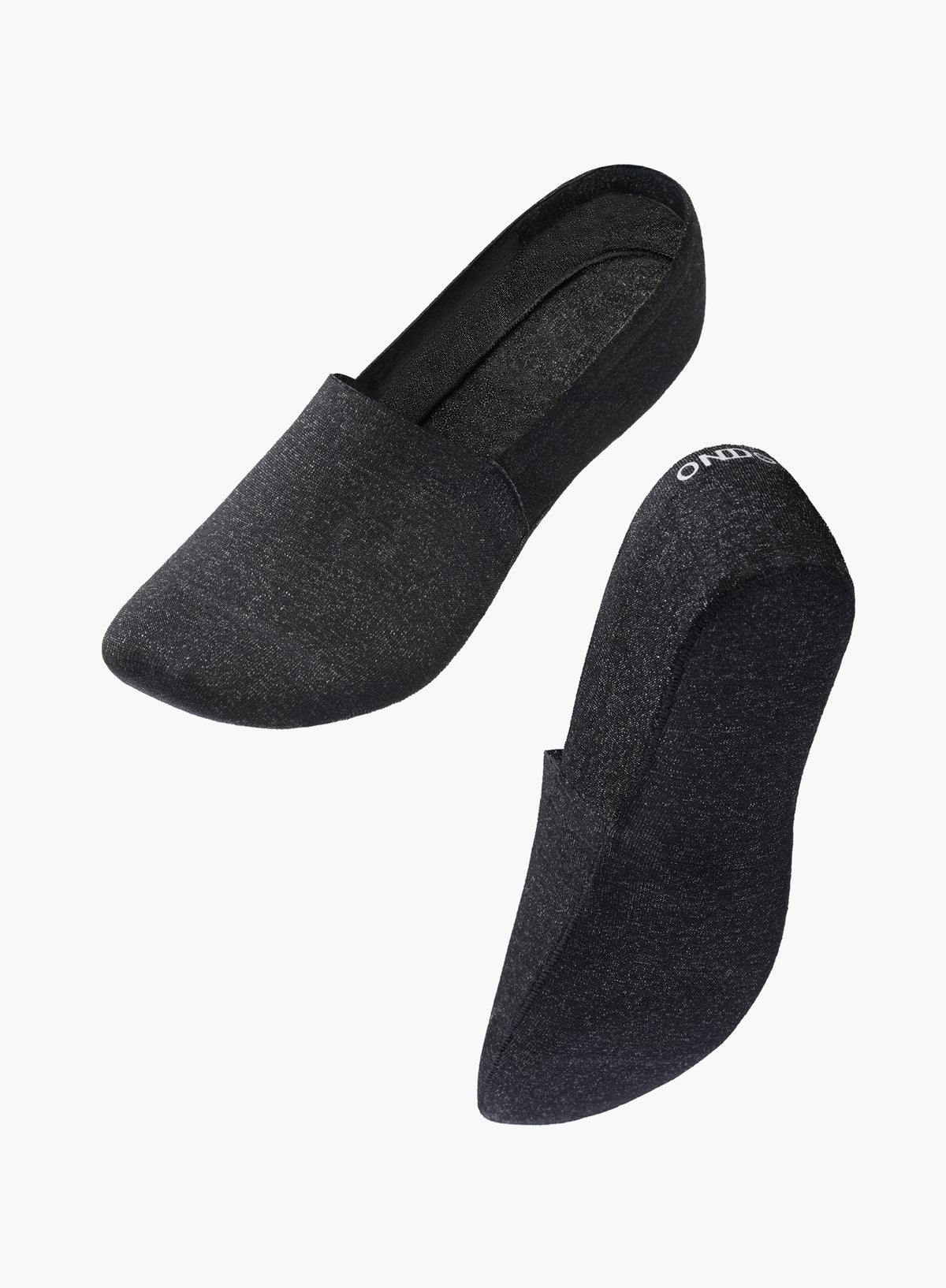
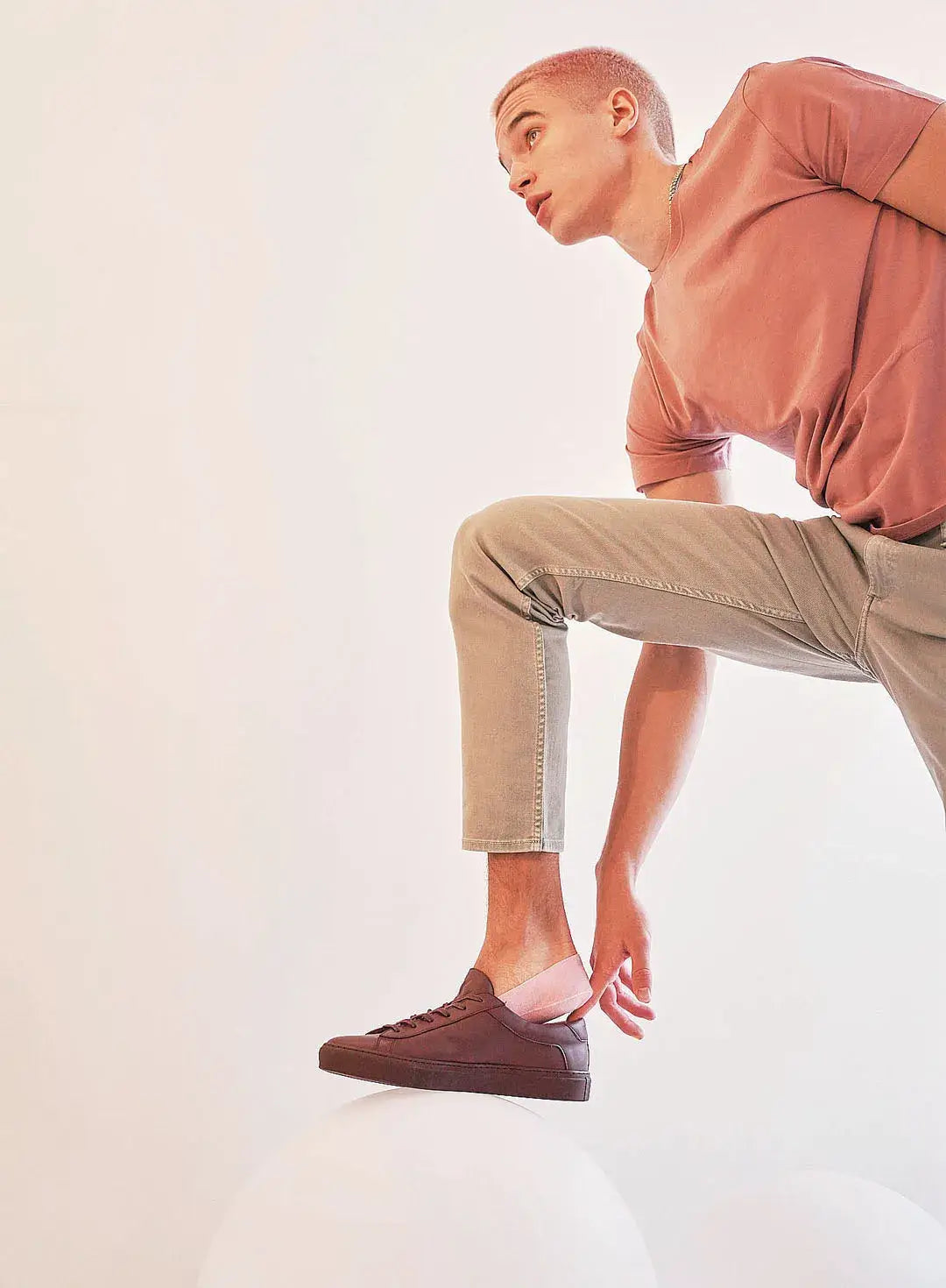
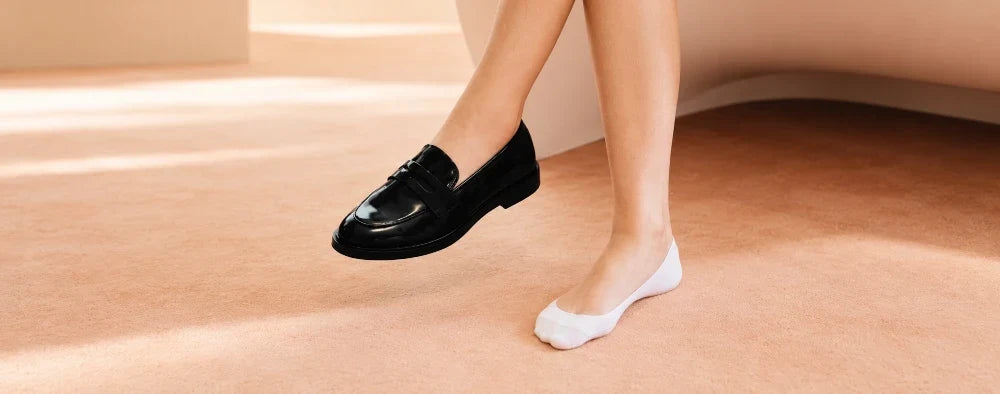
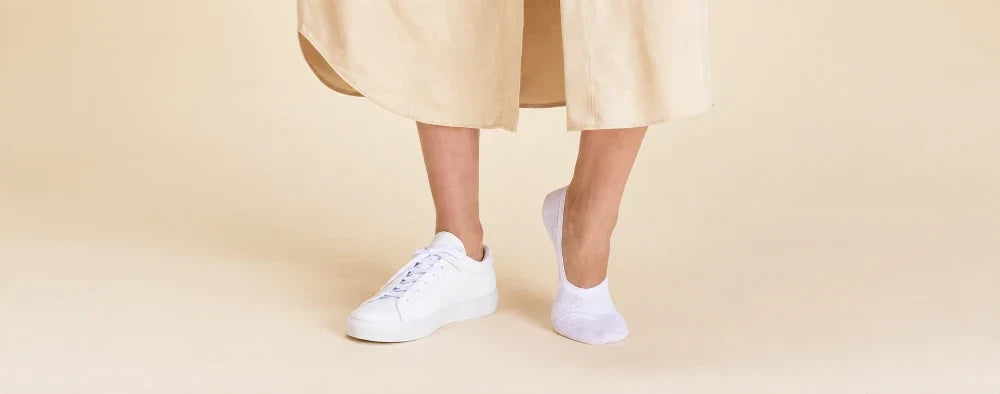
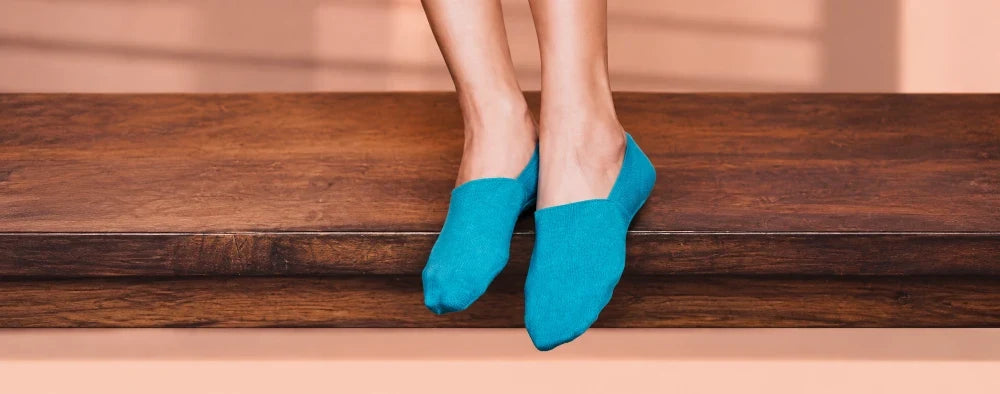
Low-cut no show socks create the lower profile you are trying to achieve by folding, without tucking extra fabric under the foot. Their shape sits below shallow openings and lies smoothly inside flats.
ONDO’s Low-Cut No Show Socks are made for flats and other low-profile shoes, with a patented silicone heel feature that keeps them in place. They also come with the No Slip Guarantee® for eligible U.S. orders if the socks fall off while walking in shoes, excluding slipping caused by sizing issues. Shop the Low-Cut No Show Socks to skip the folding and start with a profile built to stay hidden.

Folding Socks vs No Show Socks (Quick Comparison)
The main difference is how each option creates a lower profile. Folding reshapes a regular sock to sit below the shoe opening. No show socks already use a low-cut design.
|
Factor |
Folded Socks |
No Show Socks |
|
Shape |
A regular sock folded into a lower profile |
A low-cut shape built into the design |
|
Bulk |
Folded layers add thickness inside the shoe |
Uses a flat, low-cut construction |
|
Stability |
The fold can shift or bunch during walking |
Designed to stay in place when properly fitted |
|
Convenience |
Needs folding and occasional readjustment |
Ready to wear without folding |
|
Use case |
An occasional quick fix |
Regular wear with flats |
Knowing how to fold socks to wear with flats gives you a useful workaround when no show socks are not available. For frequent wear, a low-cut no show design avoids the added layers and repeated adjustments that come with folding.
FAQs
How do you fold socks so they don't show in flats?
Does folding socks work with ballet flats?
Why do my folded socks keep slipping?
What socks are best for flats without folding?
Can you wear flats without socks?
Read more
The best socks for casual sneakers depend on shoe height, collar shape, and whether you want the sock hidden or visible. No show styles keep the ankle line clean; crew socks create an intentional v...
The main benefits of Merino Wool socks are temperature regulation, moisture management, odor resistance, softness, and durability. Together, these qualities suit everyday wear, travel, and active u...