



Are Yoga Socks Worth It?
Are yoga socks worth it? Usually, yes, especially for studio classes, slick floors, or anyone who likes a little extra warmth and coverage. They add traction underfoot and reduce direct contact with shared surfaces. At home on a grippy mat, bare feet often do the job, so socks are often unnecessary.
Whether they belong in your yoga bag comes down to your routine. This guide looks at when they make sense, when barefoot practice already covers your needs, and what to consider before choosing a pair.
What Yoga Socks Actually Do for You
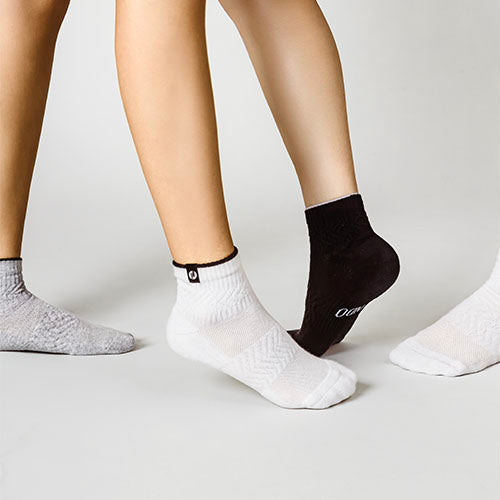
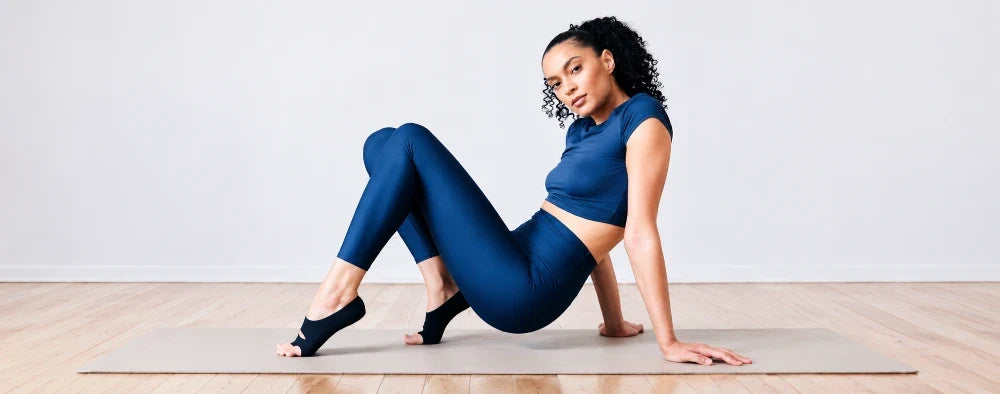
Grip yoga socks add traction, light coverage, and warmth when bare feet do not feel quite right. They are especially handy in shared classes, on slick floors, or in cool rooms.
- Grip: A grip-focused base creates friction against the mat, reducing sliding during standing poses, lunges, and transitions. Your footing stays more secure as you move through a flow.
- Shared-surface coverage: The fabric places a layer between your skin and communal mats or floors, limiting direct contact during class.
- Warmth: A little extra material around the foot adds comfort in air-conditioned spaces or slower-paced routines. Breathable materials allow airflow as the room warms up.

Whether those benefits are worth it depends on your setup. At home on a clean, grippy mat, going barefoot works just fine. If traction is the main concern, see what separates different no-slip yoga socks.
When You Can Probably Skip Them
A grippy home mat gives bare feet enough traction for many sessions, especially when you already feel steady through standing poses and transitions. In that setup, added coverage or warmth may not bring much value.
There is also the cost to consider. Going barefoot needs no additional gear, so a dedicated pair only makes sense when its benefits match a real need in your routine.
When Yoga Socks Are Most Worth It
Yoga socks earn their place when the environment creates a clear need for traction, coverage, or warmth. In these situations, the added layer serves a practical purpose.
- Studio classes: Shared mats, equipment, and floors put your skin in contact with communal areas. Wearing socks adds a layer between your feet and those spaces throughout class.
- Slick floors: A traction-focused base creates friction underfoot, reducing unwanted sliding through standing poses, lunges, and transitions.
- Hot yoga: Sweat makes secure footing important as the room heats up. A grippy design adds friction, while breathable construction keeps the feet from feeling overly enclosed.
- Cool rooms: Light fabric around the feet adds comfort during gentle flows, restorative sessions, or classes in air-conditioned spaces.
- Beginners: Reduced sliding gives new practitioners a steadier base while learning placement, transitions, and basic poses.
If these situations match your routine, a dedicated pair serves a clear purpose. On a grippy home mat where bare feet already feel secure, the practical value is limited.
What to Look for If You Buy Yoga Socks
A good choice matches the way you move, not just the label on the package. When trying a pair on, check four things: traction, toe freedom, fit, and airflow.
- Traction: Test how securely the base grips your mat or floor. Try a lunge or shift your weight to one side; repeated sliding suggests the pair does not provide enough traction for your setup.
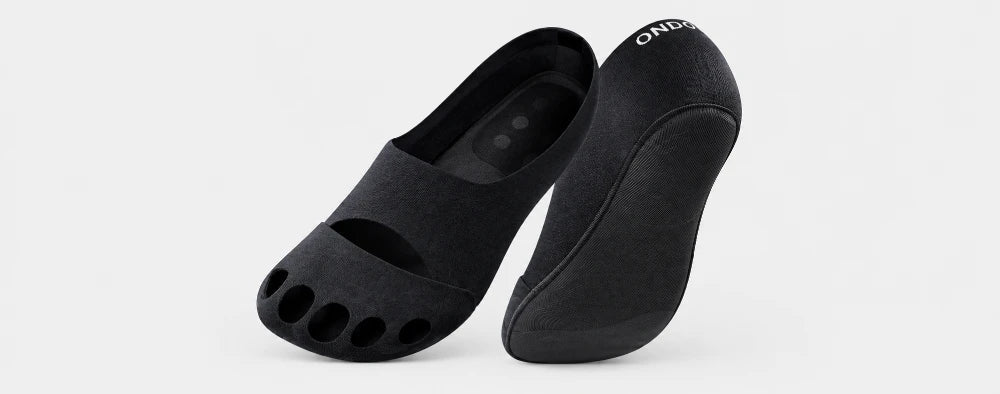
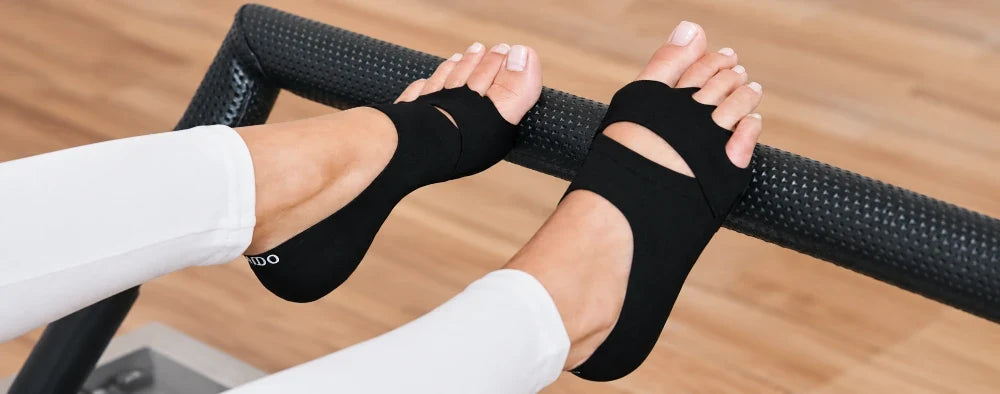
- Toe freedom: Spread your toes as you would in a standing pose. Open-toe styles suit direct mat contact, while full-toe options work for anyone who prefers complete coverage.
- Fit: Flex, point, then walk a few steps. The fabric needs to stay aligned without twisting underneath, bunching near the toes, or slipping at the heel. If it only stays in place when uncomfortably tight, choose another fit and check the size and care guide before ordering.
- Airflow: Inspect the instep and upper for mesh, ventilated knit, or lightweight construction. For hot yoga or long sessions, prioritize open or ventilated areas that increase airflow around the foot.
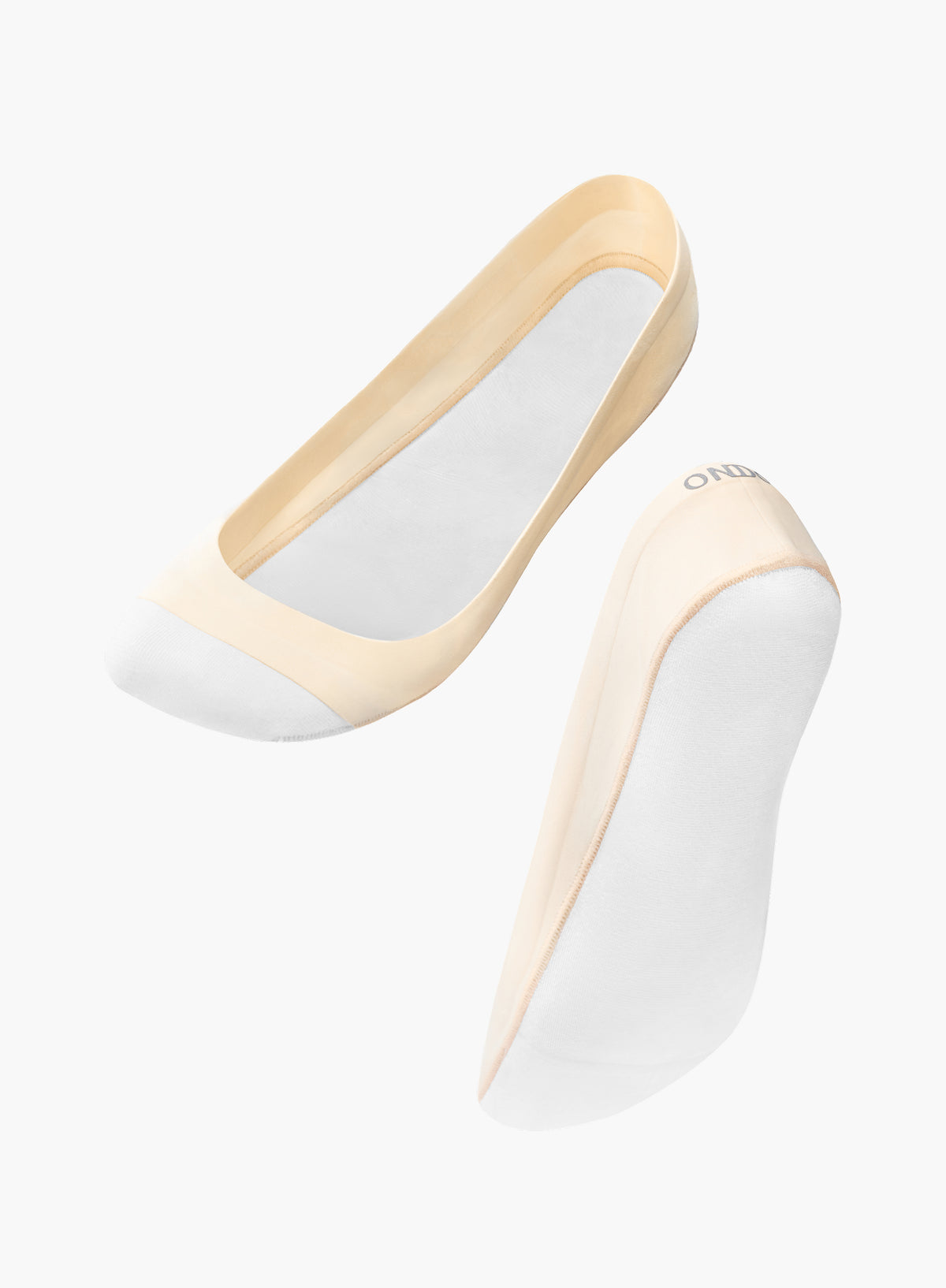
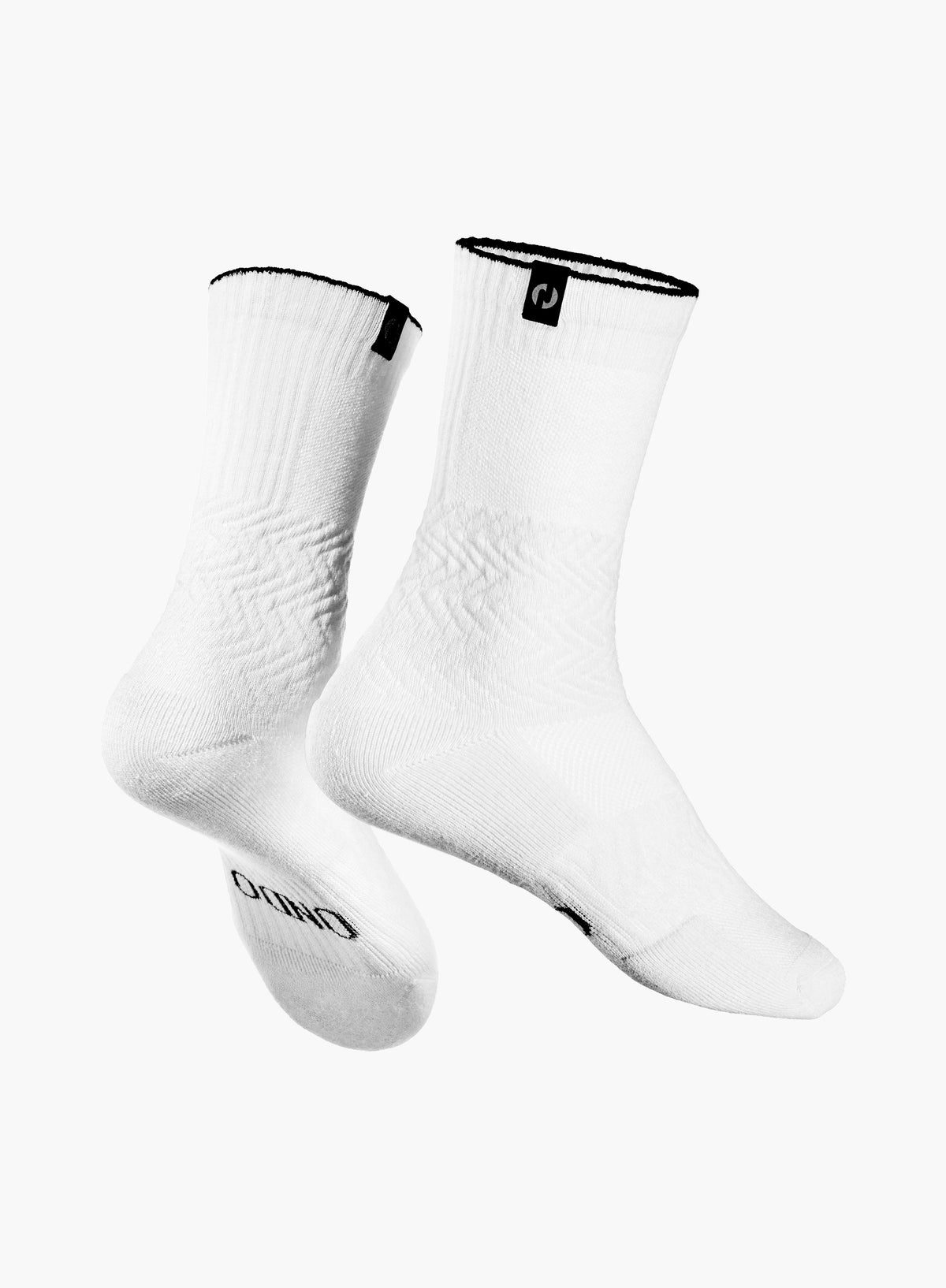
Our Studio Toe Grip Socks put those criteria into a studio-focused design for yoga, Pilates, and barre. A resilient 330D base supports mat contact without rubber grip dots, open toes leave room to spread, internal silicone keeps the sock secure, and Dual-Zone Construction opens the instep for airflow. They are also backed by our No Slip Guarantee® for retention while walking in shoes, subject to applicable terms.

For studio use beyond yoga, our guide to barre socks with grips covers what matters for barre and Pilates practice.
For Studio Days, Try These
Studio classes and slick floors are where a dedicated pair has the clearest practical role. If those settings are a regular part of your routine, yoga socks address needs that matter less on a grippy home mat.
ONDO offers a studio-focused option for yoga, Pilates, and barre, bringing the qualities covered above into one design. If that matches where and how you practice, shop the Studio Toe Grip collection.
FAQs
Do yoga socks actually work?
Are yoga socks worth it for beginners?
Do you need yoga socks at home?
Are yoga socks worth it for hot yoga?
Read more
Can you wear socks for yoga? Yes. Grip socks are designed to add traction during studio movement, while regular socks can slide on the mat. The grip-focused design helps reduce slipping, limits dir...
Pilates socks are grip socks with a non-slip sole designed to keep your feet steady on the mat and reformer, with toe designs that support balance and control. Styles range from open-toe to full-co...