



Best Yoga Socks for Women: Grip and Comfort
The best yoga socks for women add grip on the mat, stay comfortably in place as you move, and give your feet a little extra coverage on shared studio surfaces. They should feel easy to wear through stretches, standing poses, and transitions without getting in the way of natural movement.
The right pair comes down to a few thoughtful details: mat grip, toe design, arch support, a secure fit, and studio coverage. This guide breaks down what to look for across balance-focused yoga, hot sessions, beginner classes, and everyday studio practice.
What Makes a Good Yoga Sock?
A good yoga sock should add traction, stay comfortably in place, and move with the foot without feeling restrictive. Five details matter most:
- Mat grip: A textured, grippy base adds traction against the mat or studio floor, helping reduce unwanted sliding during standing poses and transitions.
- Toe design: Full-toe styles provide complete coverage, while open-toe designs allow direct contact with the mat and leave the toes free to spread naturally.
- Arch support: A supportive band around the midfoot can create a close, gently held feel through the arch during longer sessions.
- Secure fit: The sock should stay smooth as you bend, stretch, or shift position, with minimal twisting or bunching underfoot.
- Hygiene: A layer of fabric between the foot and shared mats or studio floors provides a simple barrier during communal practice.

The best choice depends on how you like to move. Prioritize grip and a secure fit for active sessions, then consider toe coverage, arch comfort, and studio coverage based on your routine. For a closer look at how traction and retention work together, explore our guide to no-slip yoga socks.
Full-Toe vs Open-Toe Yoga Socks
Full-toe and open-toe styles create a different feel on the mat, mostly through warmth, coverage, and floor feedback. The best fit comes down to how you like your feet to feel during practice.
- Full-toe: Each toe stays enclosed for a familiar, cozy sock-like feel. The extra coverage can add warmth, which works nicely for cooler studios, slower sessions such as Yin or Restorative yoga, or anyone who simply prefers to keep the toes covered.
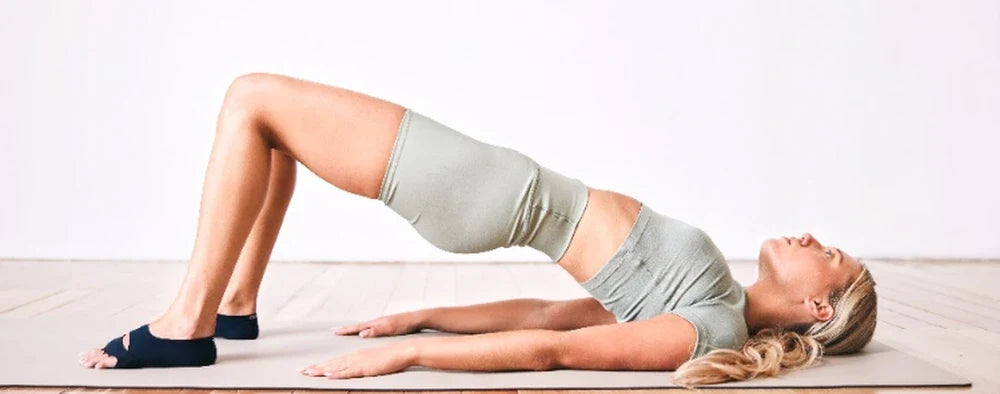
- Open-toe: The toes stay free to meet the mat directly and spread naturally. This can suit balance-focused sessions when you prefer more direct floor feedback, while the rest of the sock still provides coverage around the foot.
Choose full-toe when warmth and an enclosed feel suit your routine. Open-toe works well when toe freedom and direct floor feedback are part of how you like to move.
The Best Yoga Socks for Women by Practice
The best yoga socks for women can vary depending on how you practice. Some sessions center on standing poses and balance, while others bring extra heat or involve shared studio spaces.
For Balance-Focused Yoga (Vinyasa, Hatha)
For Vinyasa and Hatha, the right pair should feel secure without limiting movement. Look for steady traction, a close fit, and enough room for your toes to move freely. An open-toe shape works beautifully here, giving you direct floor feedback through standing poses, balances, and smooth transitions.
Our Studio Toe Grip Socks are designed around that same idea. The resilient 330D base maintains stable contact with the mat, and the exposed front leaves room for natural toe splay to contribute to traction. Patented silicone technology keeps the sock comfortably in place as you move, creating a grounded, barefoot-like connection with light coverage through the rest of the foot. They’re also backed by our No Slip Guarantee®, which means we’ll refund you if they fall off while you’re walking in shoes.

For Hot Yoga
Hot yoga gets warm fast, so lightweight construction and moisture management deserve extra attention. Breathable knit and moisture-wicking fibers can make the pair feel fresher through a sweaty session, with grip placed across the sole for steady mat contact. A close, flexible fit is just as important, keeping the fabric smooth through poses and transitions without feeling restrictive.
For Beginners
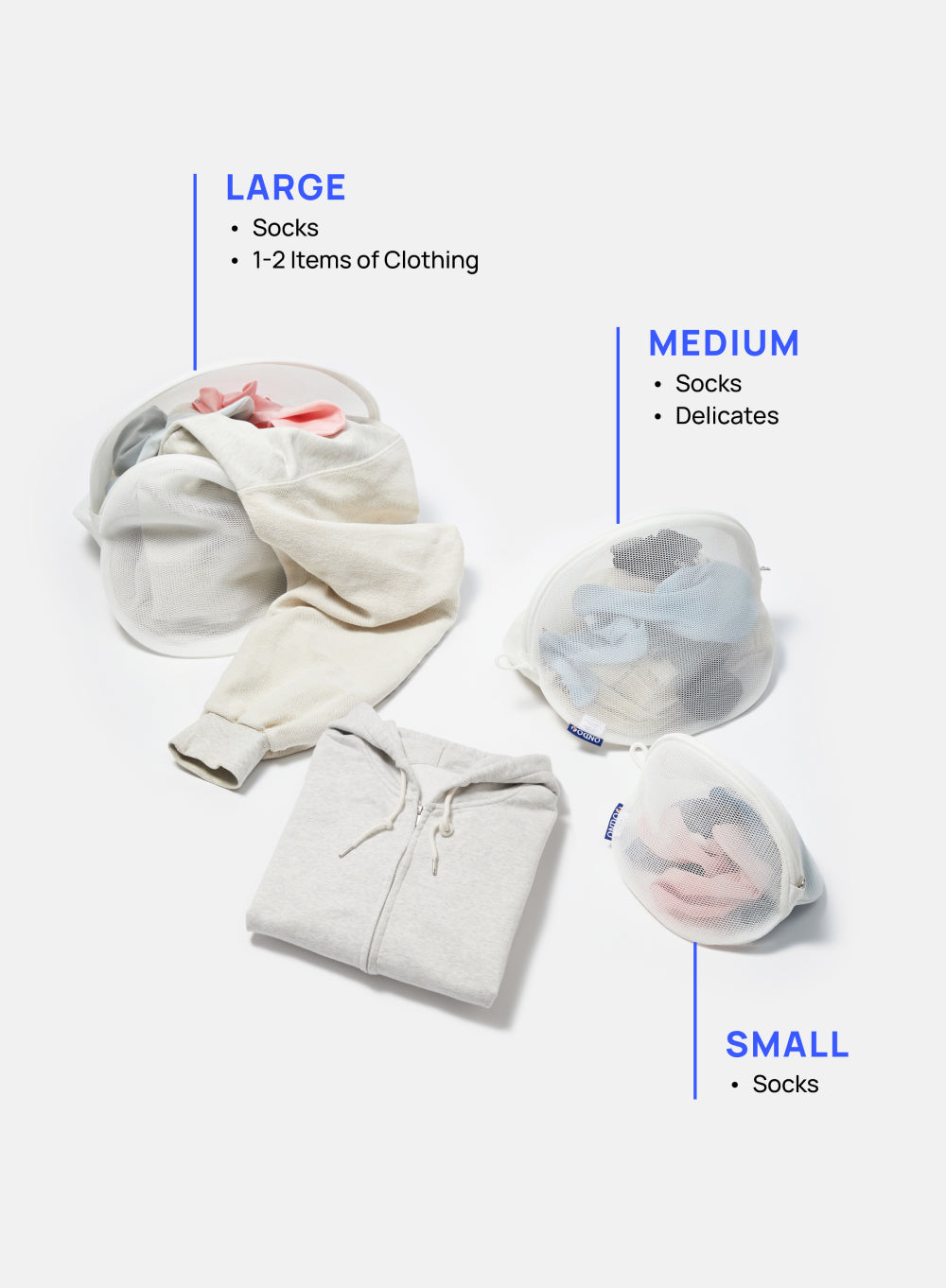
A beginner-friendly yoga sock combines grip across the sole, a snug fit through the arch and heel, and enough room for the toes to move freely. The grippy base adds traction through poses and transitions, and a close fit reduces twisting or bunching as you learn foot placement. A soft, flexible upper also lets the foot move comfortably without feeling restrictive. For ONDO sizing and wash instructions, check our Yoga/Pilates/Barre size and care guide.
For Studio Classes
Shared mats, studio floors, and changing areas all see plenty of foot traffic, so yoga socks provide a simple layer between your feet and communal surfaces. Unlike bare feet, the fabric creates a physical barrier that can be washed between sessions, making it easy to start each class with a clean pair. A grippy sole also adds traction as you move between the mat and other studio surfaces. If your routine also includes Pilates or barre, our guide to barre socks with grips covers what to look for across those studio classes.
Common Mistakes When Choosing Yoga Socks
One common mistake is wearing a pair with worn or peeling grip. For example, grip dots that lift around the sole create uneven contact during poses such as Downward Dog or lunges. The wrong toe design can also make practice feel less comfortable. Full-toe styles place fabric between the toes and mat during balance-focused work, whereas open-toe options offer less coverage and warmth in cooler studios or slower sessions.
Hot yoga brings a different issue. Thicker, cotton-rich constructions can hold onto more moisture as sweat builds, so breathable, moisture-managing materials often suit that setting better. If fabric choice is part of your decision, our guide explains how sock materials handle moisture in more detail. Fit deserves the same attention.
Finding the Right Yoga Sock
The best yoga socks for women are the ones that match the way you like to practice. Prioritize steady grip for active flows, choose a toe design that feels natural on the mat, and consider gentle arch support or extra coverage based on what feels most useful in your routine.
For studio sessions, a washable layer between your feet and shared surfaces adds a practical hygiene benefit, especially when you start each class with a clean pair. If an open-toe style suits you, explore the ONDO Studio Toe Grip collection for designs made for yoga, Pilates, and barre.
FAQs on Yoga Socks for Women
Do yoga socks actually work?
Are open-toe or full-toe yoga socks better?
Do you need grip socks for yoga?
Are yoga socks hygienic for studios?
What yoga socks are best for beginners?
Read more
The best cushioned athletic socks put extra softness where your feet feel it most, especially at the heel and ball of the foot. The rest of the sock stays breathable and low-profile, so you get com...
The best yoga socks for men provide added traction during balance-focused poses, a secure, properly sized fit, and enough breathability for warm, sweaty sessions. If you wear larger sizes, enough s...