






Merino Wool vs Cotton Socks: Which Is Better?
Merino wool vs cotton socks comes down to priorities, not a single winner. Most people reach for cotton out of habit and for its familiar softness. Merino wool tends to offer advantages in temperature regulation and moisture management.
This guide breaks down both materials attribute by attribute, so you can choose by use case instead of guessing.
Merino Wool vs Cotton Socks at a Glance
There is no universal winner between cotton vs merino wool socks. Cotton works well for dry daily wear, simple care, and a soft, familiar feel. Merino wool suits changing temperatures, moisture management, and longer wear.
|
Feature |
Merino Wool |
Cotton |
|
Softness |
Fine fibers with a smoother feel |
Soft and smooth on skin |
|
Breathability |
Good airflow and heat release |
Breathable, but less so when damp |
|
Temperature regulation |
Adapts to temperature changes |
Best in stable temperatures |
|
Moisture management |
Wicks sweat, dries faster |
Absorbs sweat, dries slower |
|
Everyday comfort |
Suited to longer, sweatier days |
Works well for dry, low-sweat routines |
|
Durability |
Holds shape with proper care |
Holds up to frequent washing |
|
Price |
Usually higher |
Usually lower |
What Is Merino Wool?
Merino wool is a soft, fine wool sheared from Merino sheep. It feels different from the scratchy wool many people imagine because the fibers are much thinner and more flexible against the skin.
That finer structure is why merino wool shows up in socks, sweaters, and base layers. It can help regulate temperature, move moisture away from the skin, and stay comfortable across changing conditions.

What Is Cotton?
Cotton is a natural plant fiber commonly used in everyday socks. It feels soft against the skin, allows airflow when dry, and is easy to wash, which makes it a practical choice for daily, casual use.
In socks, this material works well for indoor wear, light walking, and low-sweat routines. Its main tradeoff is moisture control: cotton absorbs sweat instead of moving it away quickly, so it can feel damp during long wear, hot weather, or heavier walking.

Merino Wool vs Cotton: Warmth
Merino wool is usually the stronger choice for cold or shifting weather. Its fibers help trap warmth when temperatures drop, while still allowing excess heat and moisture to move away from the skin. Cotton can feel warm at first, but once it absorbs sweat, it may feel damp and cooler against the foot.
That difference matters on a cold morning commute that turns into a warmer afternoon. Cotton may start out comfortable, then feel heavier or stuffier as your feet heat up. Merino wool is better suited to that range because it helps manage warmth and moisture over time.
Merino Wool vs Cotton: Moisture Management
Merino wool helps move sweat away from the skin and usually dries faster than cotton. Cotton can take in moisture and tends to dry more slowly once damp. This is the main difference in how the two materials handle sweat.
During a long travel day, a warm-weather walk, or hours on your feet, that behavior becomes more noticeable. Cotton can feel damp by the afternoon, while merino wool is more likely to stay drier for longer, especially when temperatures shift or your feet sweat more than expected.
Merino Wool vs Cotton: Comfort
Cotton is the more familiar choice for comfort, while merino wool can feel softer than many people expect. There is no objective answer to which material feels better against the skin. It depends on your skin sensitivity, how warm your feet run, and how long you plan to wear the socks.
Many people prefer cotton because it feels soft and smooth from the first wear. Merino wool is often the surprise: people who expect a scratchy sock may find it soft and light instead. In a head-to-head comparison of merino wool vs cotton socks on feel alone, both materials have a real claim. The better choice may come down to how each one feels on your foot.
Merino Wool vs Cotton: Durability
When comparing merino wool vs cotton socks for durability, the most durable sock is usually the one that pairs the right material with strong construction and the right wash routine. Both materials can last a long time when they are built well. A quality knit, reinforced toe, and proper fit can make a bigger difference than the material alone.
Care also plays a major role in how long each sock lasts. Merino wool can hold its shape well with proper care, but it usually prefers gentler washing. Cotton is more forgiving in regular machine washing, which makes it easier to care for day to day.
Merino Wool vs Cotton: Price
Merino wool socks usually cost more than cotton socks. The difference often comes from sourcing, certification, and material availability. Cotton is produced at a larger scale, which helps keep prices lower. Merino is finer, less widely available, and sometimes carries third-party certifications that add cost.
A higher price does not automatically make merino wool the better choice for everyone. Cotton is often the more budget-friendly option for simple daily wear. Merino may make more sense if you want temperature regulation, moisture management, or comfort across changing conditions.
Which Material Is Better for Different Situations?
Match the material to the day, and the choice gets easy. This quick guide shows how merino wool vs cotton socks compare across the most common cases.
|
Situation |
Better pick |
Reason |
|
Everyday wear |
Cotton or Merino Wool |
Cotton for dry, low-sweat days; merino for longer wear |
|
Travel |
Merino Wool |
Tends to dry faster and may feel fresher between washes |
|
Warm weather |
Depends on sweat level |
Cotton for dry heat; merino for sweaty or long walking days |
|
Cooler weather |
Merino Wool |
Helps insulate while managing excess heat and moisture |
|
Year-round |
Depends on your routine |
Cotton works well for familiar everyday wear. Merino suits changing temperatures and longer days. |
Everyday Wear
Both cotton and merino wool socks work for everyday wear. Cotton makes sense on dry days, during low-sweat routines, or when easy washing matters most. Merino wool suits longer days, feet that sweat more, or schedules that move between warm and cool spaces.

Travel
Merino wool is often a practical choice for travel because it tends to dry faster than cotton and handles changing conditions well. That matters on long travel days or trips where laundry is limited.
Warm Weather
In warm weather, the deciding factor is often sweat. Merino wool helps keep your feet more comfortable by releasing heat and drawing sweat away from the skin. Cotton can still work well on dry, low-sweat days, but it may feel damp if you are walking for long stretches.
Cooler Weather
Cooler weather gives merino wool a clearer advantage. It helps insulate when temperatures drop, then releases excess heat as your feet warm up. That balance is useful on days that move between cold streets and warm rooms.
Year-Round Use
Merino wool is usually the more versatile single-material choice across the year. It handles temperature changes and moisture better than cotton. A two-material rotation can also work: cotton for dry, relaxed days, and merino wool for travel, longer wear, or changing weather.

How ONDO Uses Both Materials
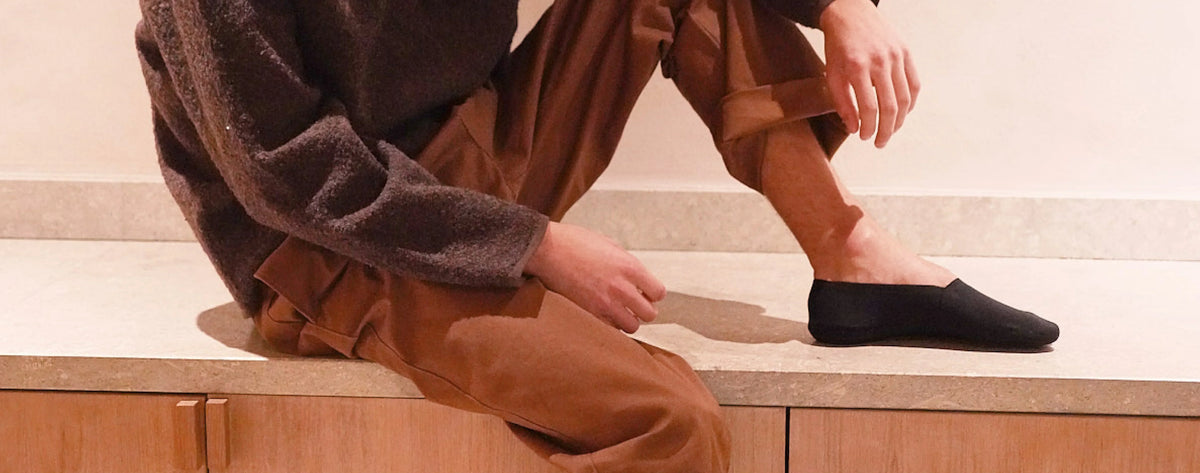
ONDO makes no show socks in both cotton and merino wool because different days call for different materials. The goal is simple: match the sock to the day.
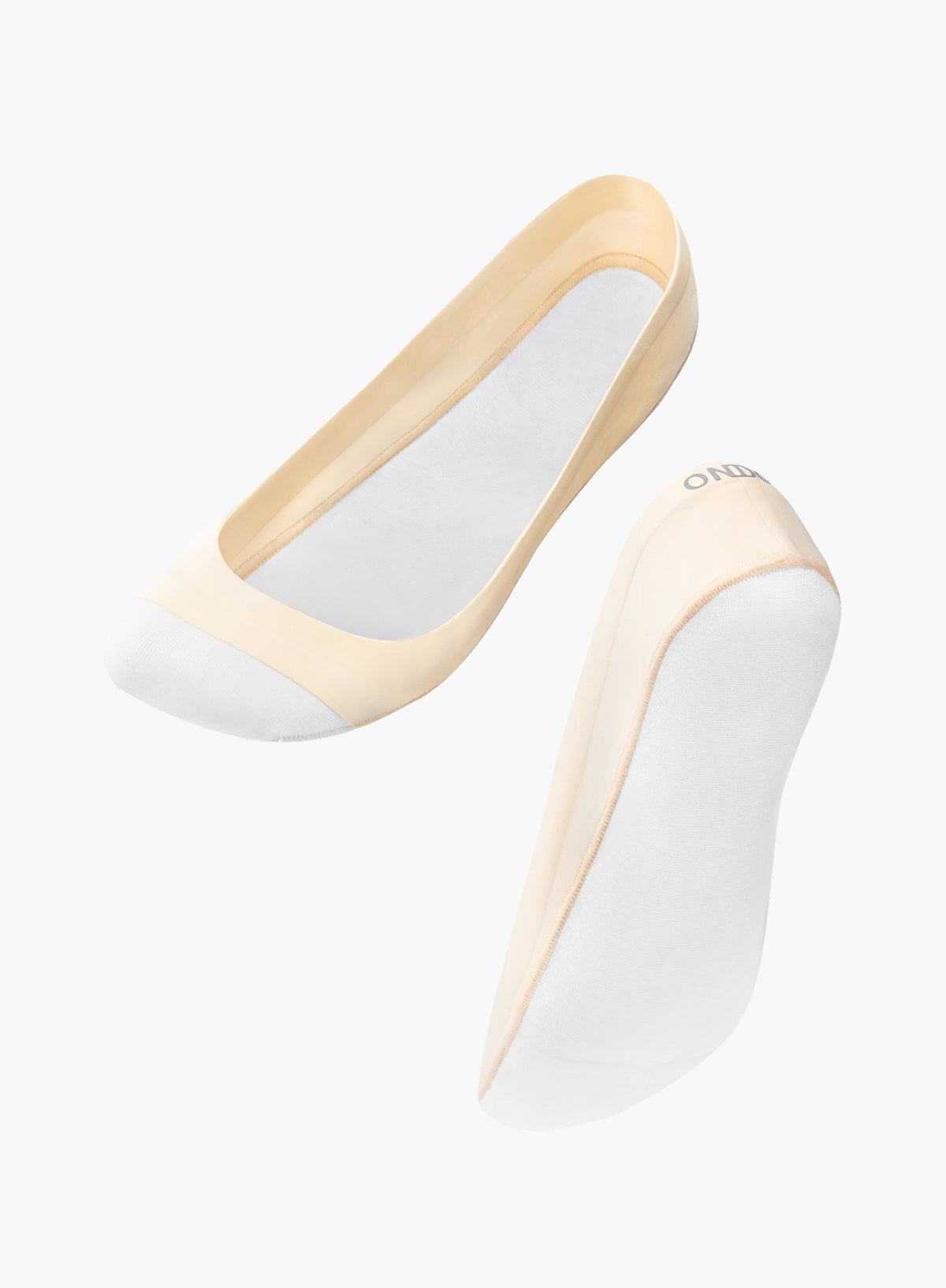
The Organic Cotton No Show Sock is made with OCS-certified organic cotton and a moisture-wicking aerolight blend. It has a soft, familiar feel, plus a patented silicone grip strip that helps it stay put.
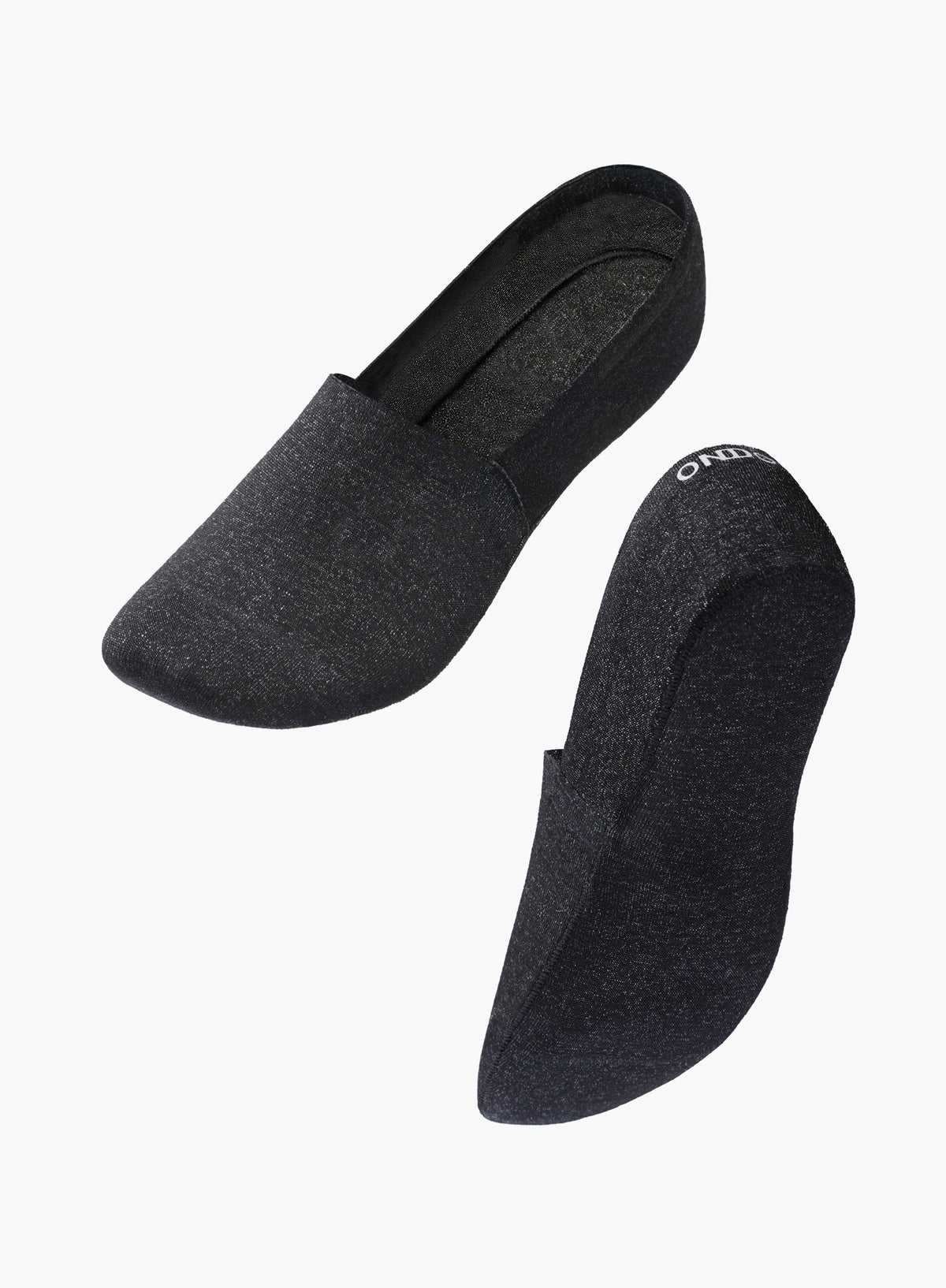
The Merino Wool No Show Sock is made with Woolmark-certified Australian Merino Wool. It is thermoregulating across seasons and machine-washable, so care stays simple.
Both materials have different strengths. The choice depends less on which fiber is "better" and more on which one fits the day you're planning for.
Wrap Up
There is no single winner in merino wool vs cotton socks. Cotton is familiar and soft; merino is stronger on temperature regulation and moisture management. In the end, your use case decides. The fiber sets the feel, but the construction decides whether the sock lasts.
FAQs
Are merino wool socks warmer than cotton?
Are merino wool socks good for summer?
Do merino wool socks last longer than cotton socks?
Do merino wool socks feel itchy?
Are cotton socks more breathable than wool socks?
Which socks are better for everyday wear?
Read more

Most crew socks feel fine in the store. By midday they've bunched at the ankle, shifted toward the toe, or gone thin right where you need cushioning. The cotton isn't the problem. The construction ...

Socks to wear with flats usually share three characteristics: a low-cut profile, a secure heel grip, and breathable materials. Most slipping happens when a sock doesn't fit the shape of the shoe. T...