



No Show Socks to Wear with Ballet Flats
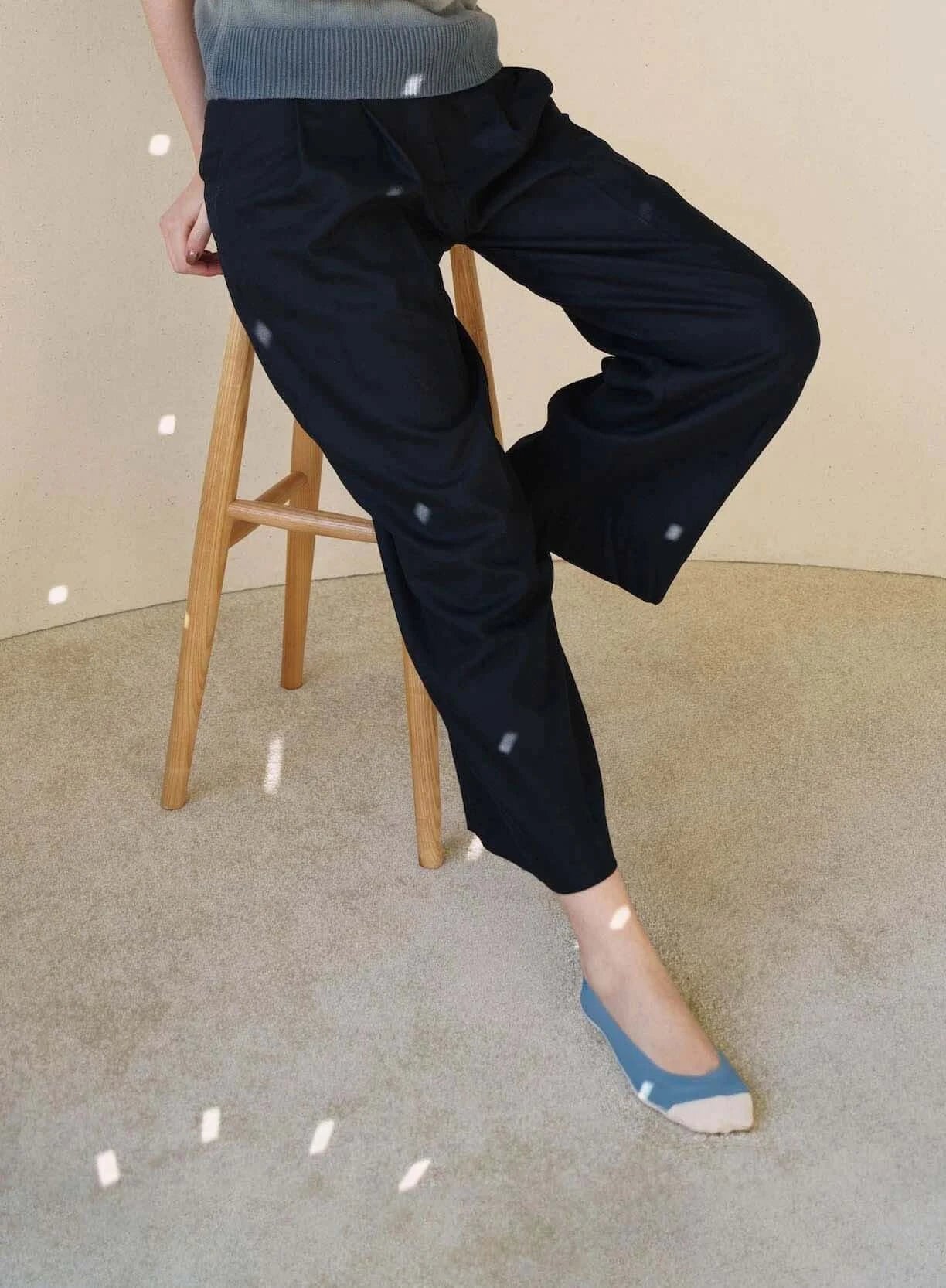
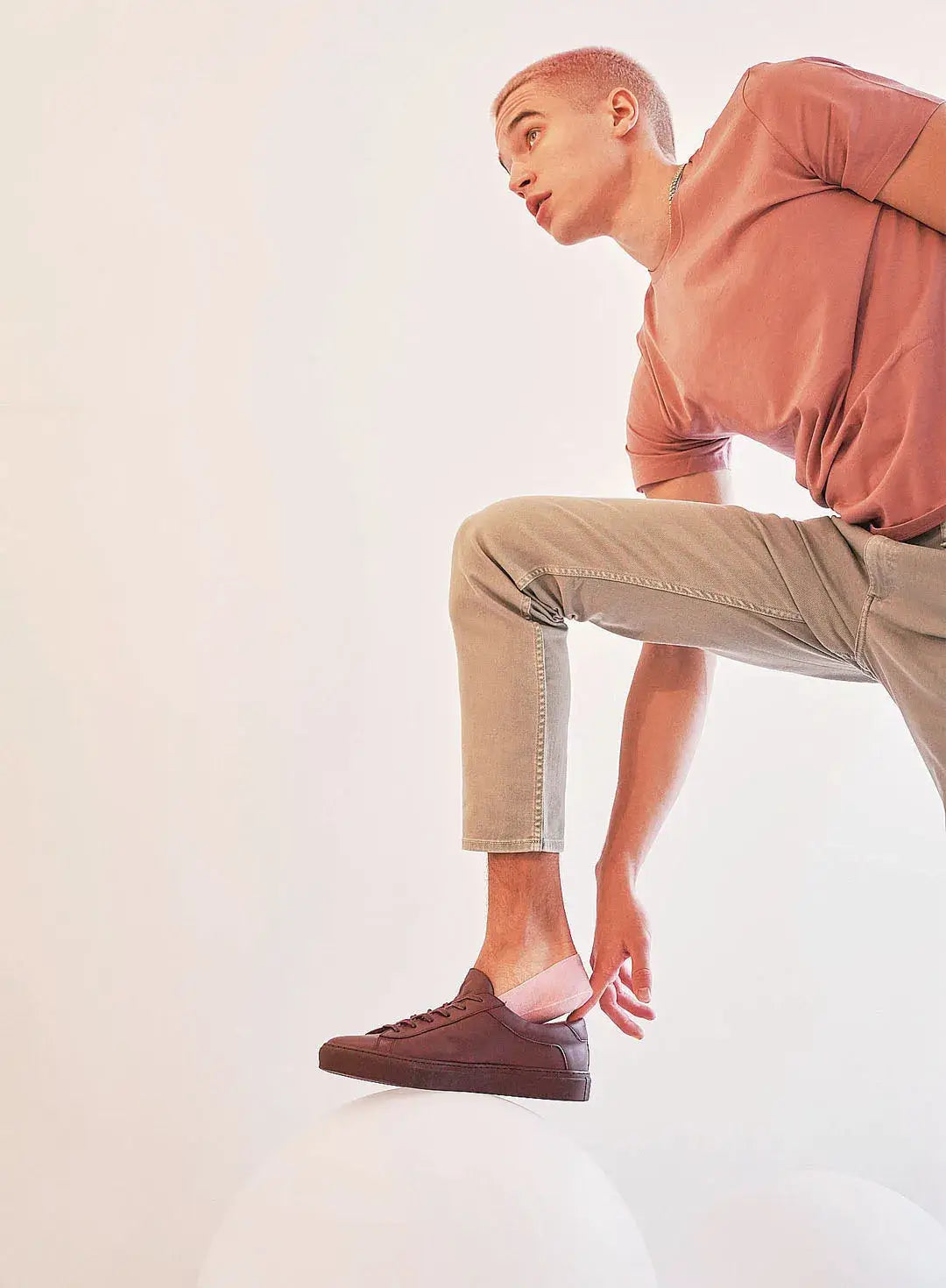
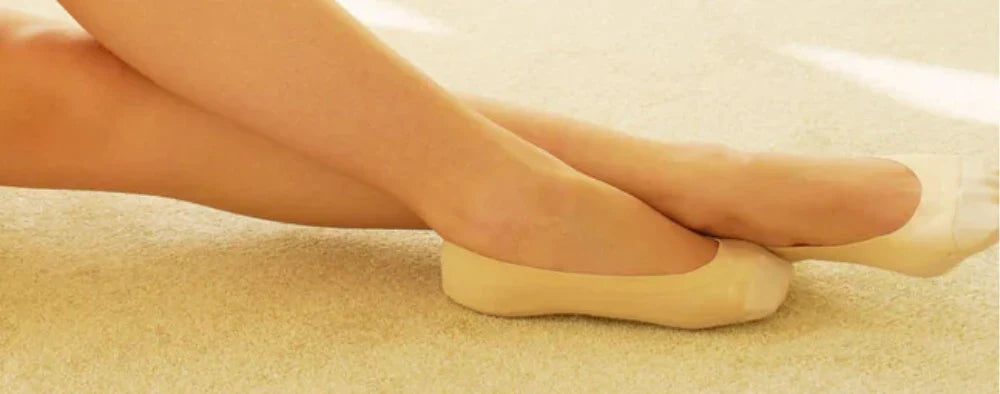
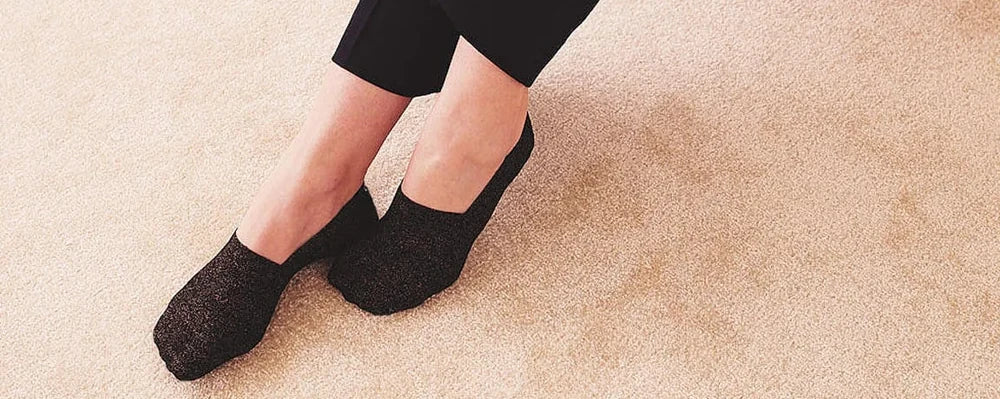
The best socks to wear with ballet flats are low-cut, close-fitting, and built to stay put. Because these shoes have a shallow opening and little structure around the heel, ordinary no show styles may peek above the edge, bunch under the foot, or slide as you walk. For flats specifically, a true low-cut profile is the answer, and our Low-Cut No Show Sock is the pair designed for exactly this. It sits below the shoe line and stays anchored at the heel, backed by our No Slip Guarantee®.
Going barefoot brings its own trouble. Heat and moisture gather through the day, and the lining starts to rub. A thin, well-cut sock slips in unseen: a soft layer between foot and shoe that keeps things cool, dry, and smooth underfoot, without breaking the clean line of the flat.

Why Ballet Flats Need a Different Type of Sock
Ballet flats have a shallow opening, a close-fitting shape, and little coverage around the ankle. Standard sneaker socks are often too high or bulky for this design, causing them to show above the vamp, bunch beneath the foot, or slip at the heel. Because there is little room for excess fabric, sock height and fit matter more than they do with many higher-cut shoes.
Going barefoot may avoid visible sock lines, but heat, sweat, and rubbing against the lining can still cause discomfort over time. A low-profile sock settles in unseen, a soft layer against the skin, and a silicone heel grip holds it there so it will not slide.
That grip is the difference between a sock you forget you are wearing and one you keep reaching down to fix, and it is why every ONDO pair is backed by our No Slip Guarantee®. Breathable fabric keeps moisture down, and the low cut stays discreet inside the flat.
What to Look for in Socks for Ballet Flats
When deciding what socks to wear with ballet flats, focus on four things: a low profile, a secure heel grip, a close fit, and breathable material. The cut and fit determine whether the sock stays hidden and stable. The material influences comfort as heat and moisture build inside the shoe.
A Low Profile
The sock should stay below the vamp and side edges as the foot moves. Since ballet flats have a shallower opening than sneakers, many standard no show styles may still show above the shoe.
Choose the cut based on the shoe line rather than the label. The shallower the opening, the lower and more closely contoured the sock needs to be.
A Secure Heel Grip
A patented silicone grip anchors the back of the sock as you walk, holding it in place without extra coverage around the ankle. This is where our No Slip Guarantee® comes in: the sock stays where it should, or we make it right.
The grip works best when the sizing is correct. A pair that is too large may shift or bunch, while one that is too small can feel tight and place excess tension around the heel.
The Right Fit
The sock should follow the contours of the toes, sole, and heel without folds or excess fabric. Bunching can create pressure points, while an overly tight pair may feel restrictive inside a close-fitting flat.
A close, structured fit keeps the sock in place as the foot flexes. This reduces shifting and helps the edges remain hidden below the shoe line.
Breathable Materials
Ballet flats often allow limited airflow, so the fabric should allow heat to escape and limit moisture buildup inside the shoe. A drier space between the foot and the lining feels more comfortable during extended wear.
Cotton blends feel soft and familiar for everyday use, though moisture management depends on the overall fabric construction. Merino Wool blends regulate temperature across changing conditions, from cool outdoor air to warmer indoor spaces.
Our Pick for Ballet Flats
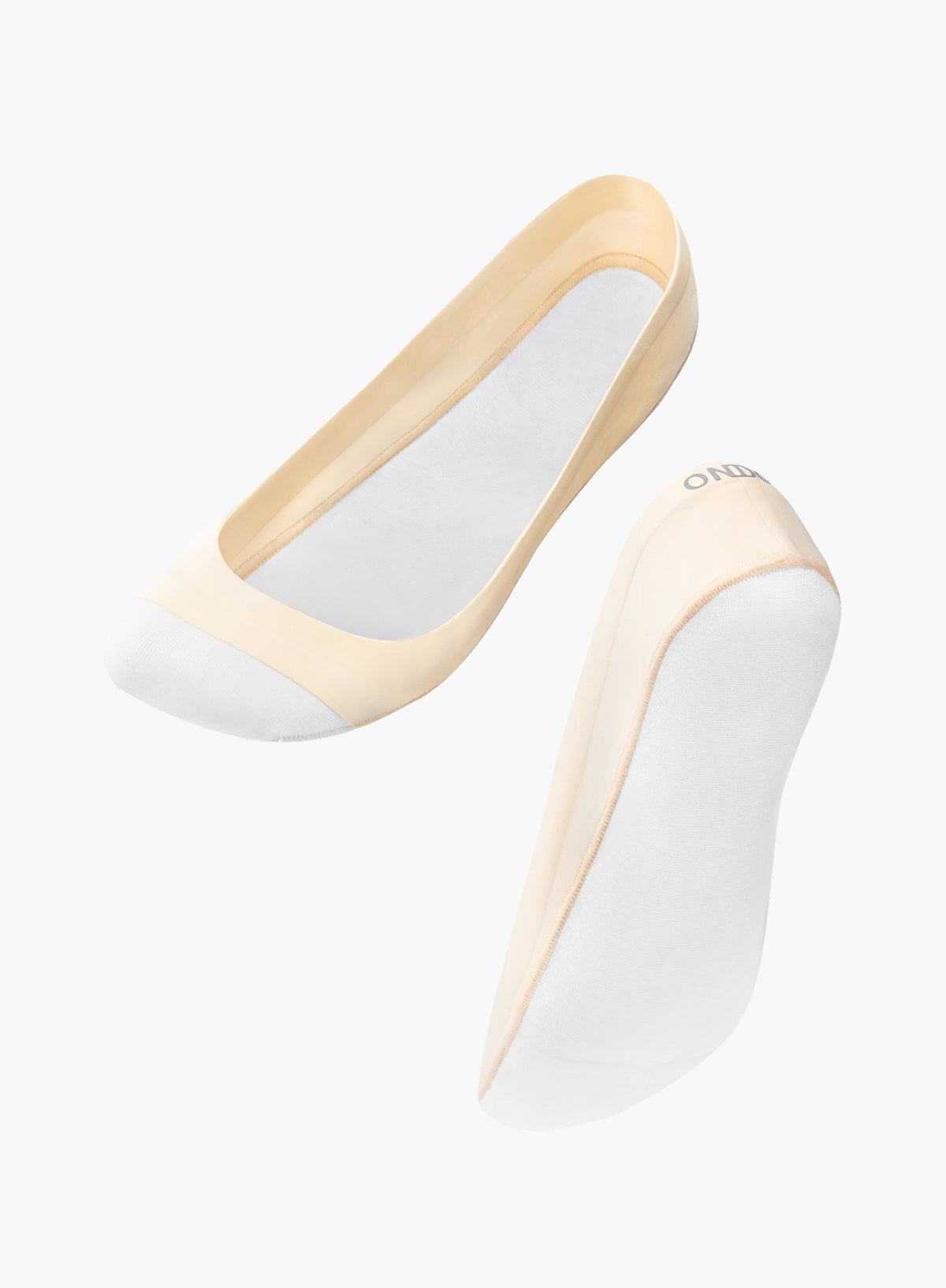
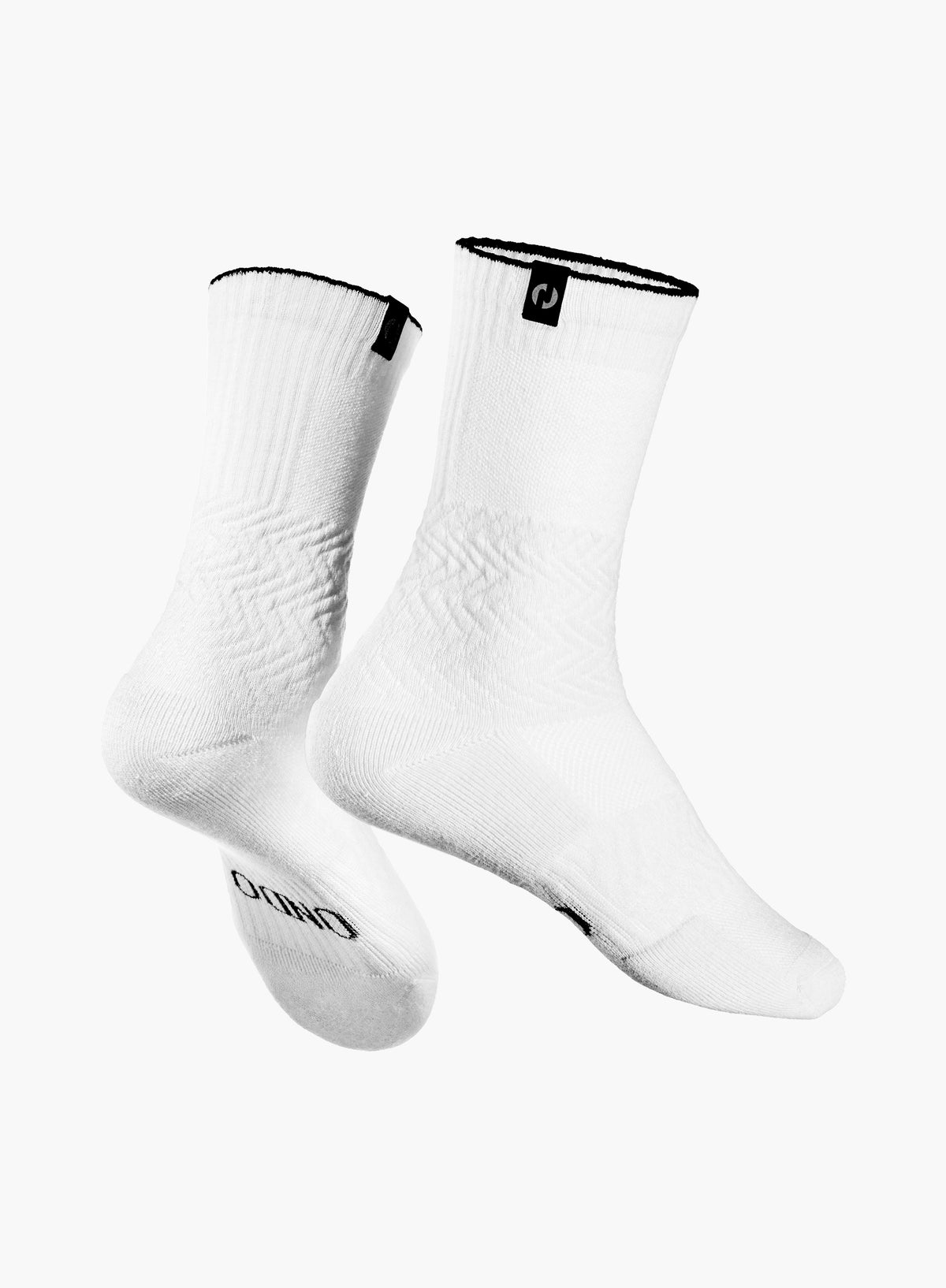
For ballet flats, reach for the Low-Cut No Show Sock. Its lower cut is built for shallow openings, so it disappears where a standard no show sock would peek out. OCS-certified organic cotton sits soft against the sole, MIPAN aqua-X nylon keeps the foot cool, and the patented silicone heel grip holds everything in place, backed by our No Slip Guarantee®. If you sit between sizes or have wider feet, size up.
Shop the Low-Cut No Show Sock and see how it disappears into your flats.
Common Mistakes When Wearing Socks with Ballet Flats
Small differences in cut and fit can lead to visible edges, bunching, or discomfort. Common mistakes include:
- Choosing a sneaker-style cut: These designs often sit too high or use more fabric than a shallow flat can accommodate.
- Relying on one-size-fits-all sizing: A loose fit may lead to slipping or bunching, while an overly tight fit can create tension inside a narrow shoe.
- Ignoring the shape of the flat: Pointed-toe, round-toe, and stretch-knit styles may require different levels of coverage and different sock constructions.
- Assuming barefoot is always more comfortable: Direct contact with the lining leaves sweat unmanaged and may increase friction during extended wear.
The Best Socks for Different Types of Ballet Flats
Different ballet-flat shapes create different fit constraints. The best socks to wear with flats depend on the opening, toe shape, upper material, and expected wear time. Across every shape below, the Low-Cut No Show Sock is the profile that stays hidden, held in place by the No Slip Guarantee®.
Classic Ballet Flats
The best no show socks for classic ballet flats have a low-profile cut that stays below the vamp and side edges. A reliable heel grip helps keep them hidden and secure as the foot moves.
Pointed-Toe Ballet Flats
Pointed-toe flats leave less room at the front, so the sock should have a smooth, low-bulk toe construction. This limits bunching and reduces pressure points inside the narrow toe box.
Knit or Stretch Ballet Flats
Knit and stretch uppers contour closely to the foot, so even small folds can become noticeable. Choose a smooth, close-fitting sock that lies flat across the toes and sole as the upper flexes.
Ballet Flats for All-Day Wear
For all-day wear, choose a breathable, low-profile sock with a secure heel grip. The low cut stays discreet, the grip limits shifting, and the fabric allows heat to escape while reducing moisture buildup inside the shoe.
Why Sock Construction Makes the Difference
The best no show socks for ballet flats come down to the right cut, grip, fit, and fabric working together, not simply to using less material. A low-profile cut keeps the edges below the shoe line, a silicone heel grip stops the sock sliding as the foot moves, and a close, structured fit keeps fabric from bunching around the toes and sole.
For ballet flats, our recommendation is straightforward: the Low-Cut No Show Sock is the one built for the job. Its lower cut is made for shallow openings, so it stays hidden where a standard no show sock can show at the edge. The patented silicone grip strip keeps it anchored at the heel, and the OCS-certified organic cotton and MIPAN aqua-X nylon construction wicks moisture and keeps feet cool. Like every ONDO pair, it is backed by our No Slip Guarantee®.

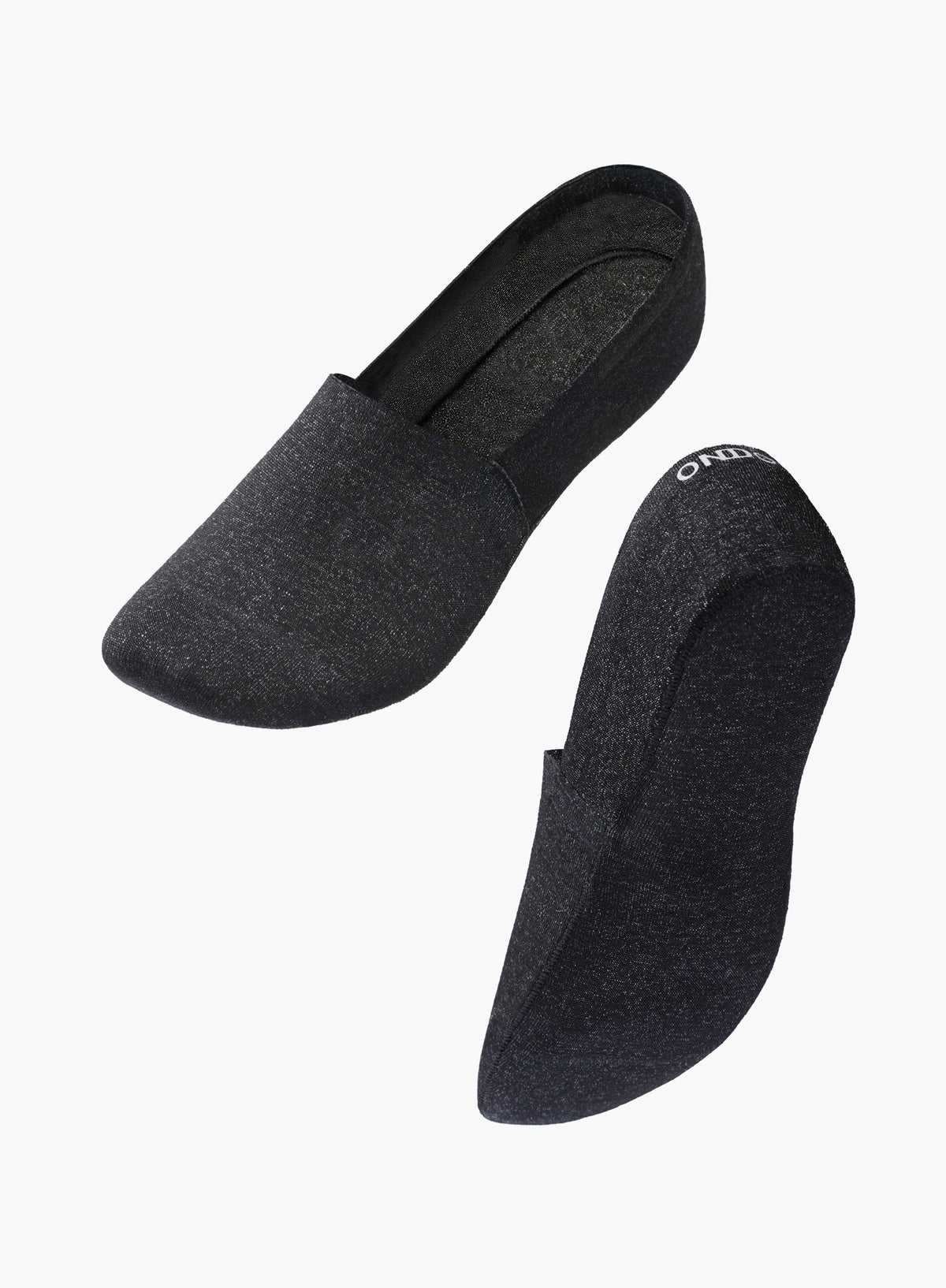
Our other no show styles come into their own with different footwear. The Organic Cotton No Show Sock is a soft, everyday pick for sneakers and shoes with a higher opening, where its standard no show cut stays below the line. The Merino Wool No Show Sock suits changing conditions and longer days, with Woolmark-certified Australian Merino Wool that thermoregulates between cool outdoor air and warm indoor spaces. For shallow ballet flats, though, the Low-Cut remains the pair to beat.

Finding the Right Sock for Your Ballet Flats
Choosing the best socks to wear with ballet flats comes down to compatibility with the shoe’s opening and shape. The right cut stays below the edges, the heel grip maintains stability, and the fabric manages heat and moisture based on how long the shoes will be worn. Thickness matters less than how these elements work together.
For flats, that pair is the Low-Cut No Show Sock, hidden by design and held in place by the No Slip Guarantee®. For more options organized by shoe style and use case, explore our best no show socks for flats guide.
The right socks to wear with ballet flats slip in unseen, a soft layer that moves with the foot and settles into the shoe without ever showing at the edge. A low cut keeps the edges hidden, a secure heel grip limits slipping, and breathable materials support comfort. When these features work together, the sock stays discreet without adding bulk or disrupting the clean shape of the flat.
FAQs on Socks to Wear with Ballet Flats
Can you wear socks with ballet flats?
Should you wear ballet flats barefoot?
Are liner socks and no show socks the same?
Are cotton or merino wool socks better for ballet flats?
How should no show socks fit for ballet flats?
Read more
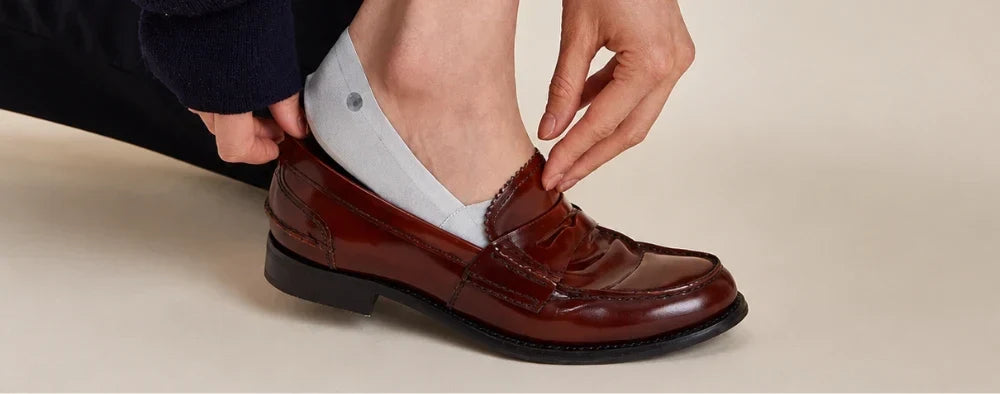
The best socks for loafers depend on the shoe opening, occasion, fit, and whether you prefer a hidden or visible style. Standard no show socks suit loafers with greater coverage, low-cut liners fit...
Merino wool socks are made with fine wool from Merino sheep, often blended with nylon, elastane, or other fibers to support fit and durability. Merino content, fiber blend, knit density, cushioning...