


Are Organic Cotton Socks Worth It? An Honest Breakdown
Are organic cotton socks worth it? They can be if you care about certified sourcing and natural fibers. But the label only tells you how the cotton was grown. It does not tell you whether the sock will feel comfortable, hold its shape, or last through daily wear.
That distinction is important because these socks often cost more than conventional options, especially as certified materials become more common in everyday basics. The higher price may reflect sourcing controls, certification, and production standards, but it does not automatically mean a better sock. What counts is the full build: material quality, fit, shape retention, and durability.
What Does Organic Cotton Actually Mean?
Organic cotton refers to cotton grown according to organic farming standards. Compared with conventional cotton, the key difference is how the crop is farmed, not how the sock is made.
For socks, one relevant seal is OCS, or Organic Content Standard. It verifies the share of organic fiber in a product and tracks that fiber through the supply chain. OCS confirms sourcing, not construction. It does not tell you how the sock was knit, reinforced, or shaped.
Why Organic Cotton Socks Usually Cost More
Organic cotton socks usually cost more because certification, traceable sourcing, and documented production standards add expense before a single sock is knit. Certified farms, audited supply chains, and the records that prove both are part of what you pay for.
That cost is real. It just is not a quality guarantee. A more expensive organic sock can still be poorly constructed, and a cheaper conventional one can be built to last. In this case, price reflects sourcing, not necessarily comfort, fit, or durability.
What Organic Cotton Does Well
Organic cotton does three things well: it feels familiar and soft, it's traceable, and it suits everyday wear.
Familiar Everyday Comfort
Organic cotton socks appeal to people who like the feel of cotton against the skin. The fiber is naturally soft, and with breathable construction, it can stay comfortable throughout the day. For shoppers who prefer natural fibers, that simple comfort is the main draw.
Traceability
Certification gives organic cotton socks a documented path through the supply chain. Standards like the Organic Content Standard (OCS) verify the percentage of organic fiber in a product and track that material as it moves from source to finished sock. This helps shoppers see whether the cotton is backed by certification, instead of relying on broad label claims.
Popular for Daily Wear
Organic cotton socks are popular for daily wear because they are breathable, comfortable, and easy to pair with everyday shoes. They suit casual routines, from work and school to errands and light walking, especially with sneakers, loafers, and other daily footwear. Their appeal is simple: soft socks that are easy to wear often.

What Organic Cotton Doesn't Automatically Improve
Organic cotton does not automatically improve fit, durability, cushioning, compression, or construction. Those details affect how a sock feels in daily wear, but they come from how the sock is built, not where the cotton was grown.
Fit
A certified fiber won't fix a bad pattern. Fit comes from sizing, shaping, knit structure, and how the sock sits inside a shoe, not from where the cotton was grown. An organic sock that is poorly shaped can still bunch, slide, or feel wrong during daily wear.
Durability
Organic cotton does not make a sock last longer by itself. Wear usually shows first at the toe and heel, where reinforcement, like a double-layered toe, helps more than the organic label. Care also plays a role. Gentle washing, air-drying when possible, and following fabric-specific instructions can help socks hold their shape longer.
Cushioning
Cushioning is knit into the sock, not grown into the fiber. Padding and density are construction choices. Organic cotton can feel thin and flat or soft and cushioned. The certification does not decide which.
Compression
Organic cotton does not create compression on its own. Compression comes from structure: knit tension, support zones, and how pressure is distributed through the sock.
For example, ONDO's Contour Compression Crew Socks use 11 targeted compression zones to create support independently of the fiber choice. Most organic cotton socks do not include that kind of targeted compression. The fiber can affect feel, but support comes from the build.
Construction
Construction is what turns good material into a good sock. The knit, toe, heel, shaping, reinforcement, and grip details, when included, all affect how the sock feels and wears after the fiber is chosen. Get those details wrong, and even certified cotton can underperform.
Two socks can both contain organic cotton and perform completely differently. One may hold its shape, stay smooth, and feel secure through regular wear. Another may stretch out, thin quickly, or shift inside the shoe. Same fiber, different build.
Organic Cotton vs Conventional Cotton Socks
The honest comparison: The biggest differences are usually in sourcing and certification, not automatically in how the sock feels on your foot.
|
Feature |
Organic Cotton |
Conventional Cotton |
|
Cotton source |
Farmed using organic growing methods |
Cultivated using non-organic farming practices |
|
Certification |
OCS- or GOTS-verified |
No organic verification required |
|
Everyday comfort |
Similar |
Similar |
|
Fit |
Depends on construction |
Depends on construction |
|
Durability |
Depends on construction |
Depends on construction |
|
Price |
Usually higher |
Usually lower |
When Organic Cotton Socks Are Worth It
Organic cotton socks can be worth it when the material choice matches what you care about. The value is not just price. It depends on whether certified sourcing, everyday familiarity, or clearer product information matters to you.
If You Prefer Certified Materials
Are organic cotton socks worth it if verified sourcing matters to you? They can be. The benefit is not that the sock automatically feels better. It is that the fiber is certified, traceable, and documented through a clearer supply chain. For shoppers who prioritize verified materials, the higher price can be easier to justify.
If You Wear Cotton Socks Daily
A certified organic version gives you the same familiar cotton feel with clearer sourcing behind it. You are not changing the basic reason you like cotton socks. You are getting more transparency around how the material was sourced.
If You Value Product Transparency
A certification gives shoppers more specific information than a broad material claim. It can show how much organic fiber is present and whether that fiber is tracked through the supply chain. For people comparing similar socks, that added visibility can make the decision clearer.

When Organic Cotton Might Not Matter Much
Organic cotton might not matter much if price, construction, or fit matters more to you than certified sourcing. It is one factor in a sock, not the whole decision.
- If price is the main filter: the added cost of certification may not fit your budget or priorities.
- If construction matters more: you may care more about how the sock is knit, reinforced, and shaped than where the fiber came from.
- If fit is the deciding factor: a sock that bunches, slides, or feels wrong will not become better just because the cotton is organic.
Organic cotton is meaningful, but it is not the only thing that affects how a sock feels or wears.
An Example of Organic Cotton Done Well
The point is not organic cotton on its own. It is organic cotton paired with construction that supports how the sock actually wears. ONDO's Organic Cotton No Show Sock is one example of that principle.
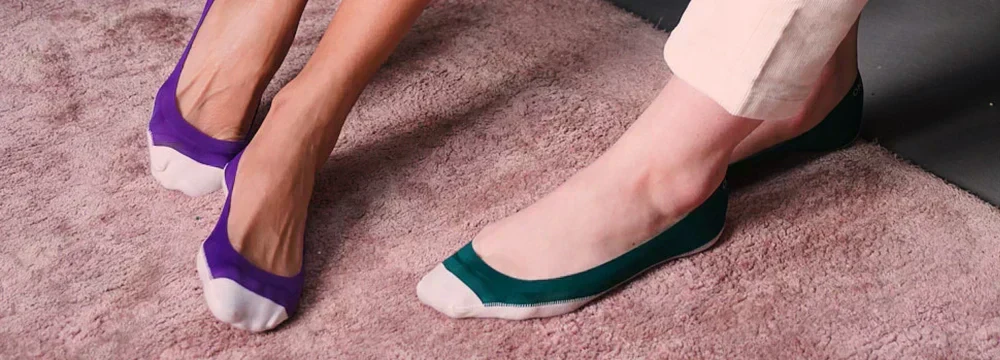
It starts with OCS-certified organic cotton and a proprietary aerolight fiber blend, creating a moisture-wicking aerolight fabric that helps manage moisture in daily wear. Built-in details include a patented silicone grip strip to help the sock stay in place and a double-layered toe for reinforcement. Organic cotton is most useful when material and construction work together.
So, Are Organic Cotton Socks Worth It?
Yes, if certified sourcing matters to you, you prefer the feel of cotton, and you are willing to pay a little more for verified material. In that case, organic cotton gives you clearer sourcing without changing the familiar feel people like about cotton socks.
Maybe not, if price is your main consideration, or if you are judging by the label while ignoring fit and construction. A sock still needs the right shape, reinforcement, and build to feel comfortable in daily wear.
Wrap Up
So, are organic cotton socks worth it? They can be, if certified sourcing and natural fibers matter to you. The organic label tells you where the cotton came from. It doesn't tell you how the sock will perform. That's where construction, fit, and thoughtful design still matter.