



What are the Benefits of Compression Socks?
What are the benefits of compression socks? They use graduated pressure to support blood flow in the legs, ease leg fatigue, and support post-activity recovery and comfort during long periods of sitting, standing, or activity. The compression starts around the ankle and gradually eases along the leg, helping blood return upward and limiting pooling in the lower legs.
This guide explains how this design works, its everyday benefits, and who may find it useful. It provides general information only and is not a substitute for medical advice.
How Graduated Compression Works
Graduated compression creates a firm hold around the ankle and gradually tapers upward. This pattern supports venous return and helps limit pooling in the lower legs.
When sitting or standing for extended periods without much walking, the calf-muscle pump becomes less active. The gradient helps maintain upward circulation during these stretches, which is why these socks are often worn for travel, desk work, or all-day standing.

The Main Benefits of Compression Socks
What do compression socks do for you? They provide everyday support during sitting, standing, travel, or long periods of activity. Their main benefits come from graduated pressure that supports circulation and helps limit blood pooling in the lower legs.
Better Circulation
Compression socks help blood move back up the legs and reduce the amount that collects around the ankles and lower legs. This is especially useful when walking breaks are limited, such as during flights, desk work, long drives, or hours spent standing. The graduated fit adds steady assistance during these stretches, when the calf-muscle pump has fewer chances to work through regular walking.
Reduced Leg Fatigue
Graduated pressure supports blood return through the lower legs, which is associated with less heaviness and fatigue after long periods of sitting or standing. By limiting pooling, this design addresses one of the factors linked to that weighed-down feeling toward the end of the day.
Support for Recovery
After activity, compression can provide a steady, supportive feel around the calves and ankles. Some people include this type of sock in a post-workout or end-of-day routine to help their legs feel more comfortable after long walks, training sessions, or busy days on their feet.
Who Benefits from Compression Socks
Compression socks suit routines that involve long periods of sitting, standing, travel, or regular activity. The graduated fit adds steady structure around the calves and ankles when movement is limited or you spend long hours on your feet.
- Travelers: Flights, train rides, and road trips often mean staying seated with few chances to walk. The close fit provides added comfort through these extended stretches.
- People on their feet all day: Retail, hospitality, healthcare, and similar jobs often involve hours of standing. Gentle pressure around the calves and ankles can provide a more supported feel through a long shift.
- Active people: Walkers and regular exercisers may appreciate a secure feel around the lower legs before or after everyday activity.
- People who sit for long stretches: Desk work reduces how often you get up and move. A graduated fit provides steady lower-leg support during hours spent seated.
Anyone with a medical condition affecting circulation, the legs, or feet should speak with a healthcare professional before using this type of sock.
Everyday vs Medical Compression
The main difference between medical and everyday compression is the level of support and the purpose of the sock. Medical compression follows defined strength ranges for specific health needs, with the right fit often selected with guidance from a healthcare professional.
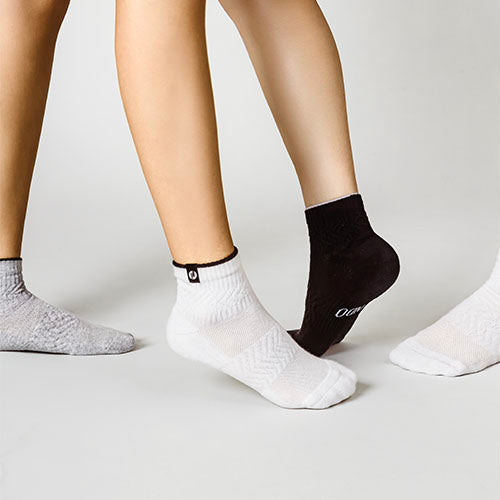
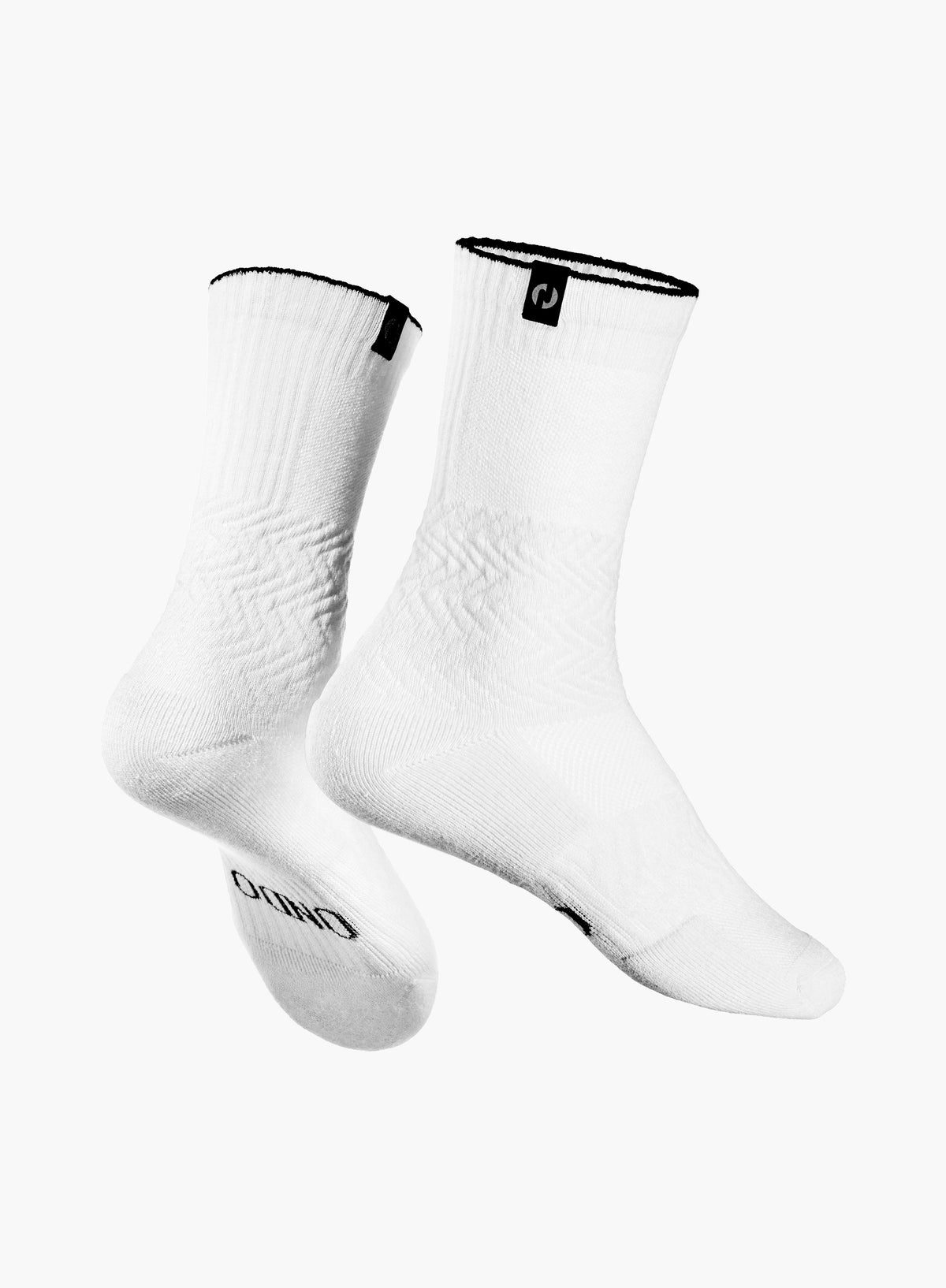
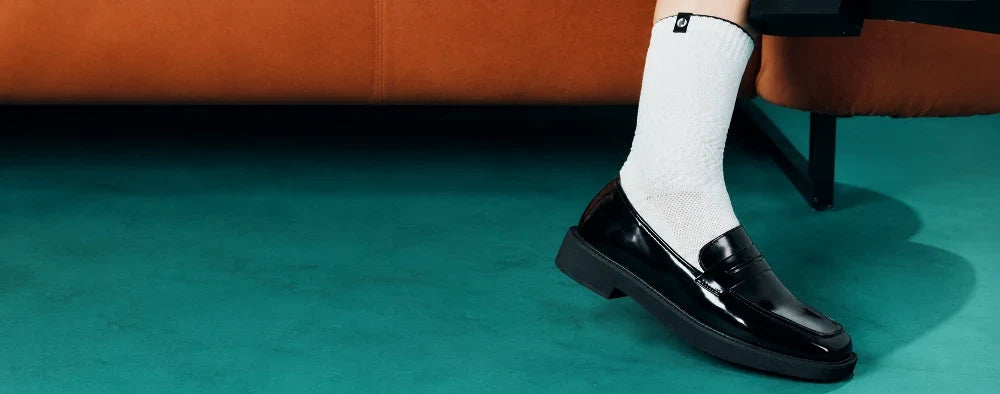
Everyday compression focuses on general comfort during travel, walking, training, or long periods of sitting or standing. ONDO Contour Compression Crew Socks fall into this category, combining targeted zones, cushioning, and breathable mesh panels for comfortable daily wear and activity.

How to Choose Compression Socks
Choose a compression level that fits how and when you plan to wear the socks. The fabric needs to sit smoothly against the leg without rolling or bunching, while the length determines how much area is covered. If you are considering ONDO, check the Size & Care guide to find the right fit. Breathable materials or mesh zones also help keep extended wear comfortable.
ONDO Contour Compression Crew Socks pair targeted zones with plush cushioning, breathable mesh panels, and a snug crew-length fit for travel, training, walking, and busy days. You can also explore our athletic crew socks guide for a closer look at features that matter during workouts. For everyday options, browse the Crew Socks collection.
FAQs on the Benefits of Compression Socks
What do compression socks do for you?
How does graduated compression work?
Do compression socks help with tired legs?
Are everyday compression socks different from medical ones?
Who should wear compression socks?
Read more
The best Pilates socks for women offer steady grip on the mat, arch support through controlled movement, a toe design that feels natural, and a barrier between your feet and shared studio surfaces....
Do you need grip socks for Pilates? In many studio classes, yes. They add traction on mats and reformers, help keep your footing steady through controlled movement, and create a barrier between you...