



Thin Socks for Heels: Choosing the Right Cut and Grip
The best thin socks for heels match the shoe opening and stay in place during movement. Closed-back pumps leave room for low or ultra-low liners. Slingbacks, peep-toe, and strappy heels require minimal or partial coverage to keep the sock edges hidden.
The right cut is only part of the fit. Fit and retention also matter, keeping the sock smooth inside the shoe without slipping or bunching.
Which Thin Sock Cuts Work With Different Heels?
Match thin socks for heels to the parts of the foot each shoe leaves exposed. The sock profile needs to follow the toe, side, and heel openings.
|
Heel Style |
Sock Profile |
Main Challenge |
|
Closed-back pumps |
Low-cut no show |
Topline visibility |
|
Very low-vamp pumps / stilettos |
Ultra-low liner or forefoot-only coverage |
Toe and side exposure |
|
Slingbacks |
Forefoot-only coverage, or very low-cut liner if concealed |
Exposed heel |
|
Strappy heels |
Partial or forefoot coverage if concealed |
Multiple openings |
|
Open-toe heels |
Forefoot-only coverage if the front upper conceals the edge |
Toe opening exposure |
Choose the lowest profile that stays concealed and in place. For a broader comparison, see ONDO’s guide to socks for heels.
Low-Cut No Show Socks for Closed-Back Pumps
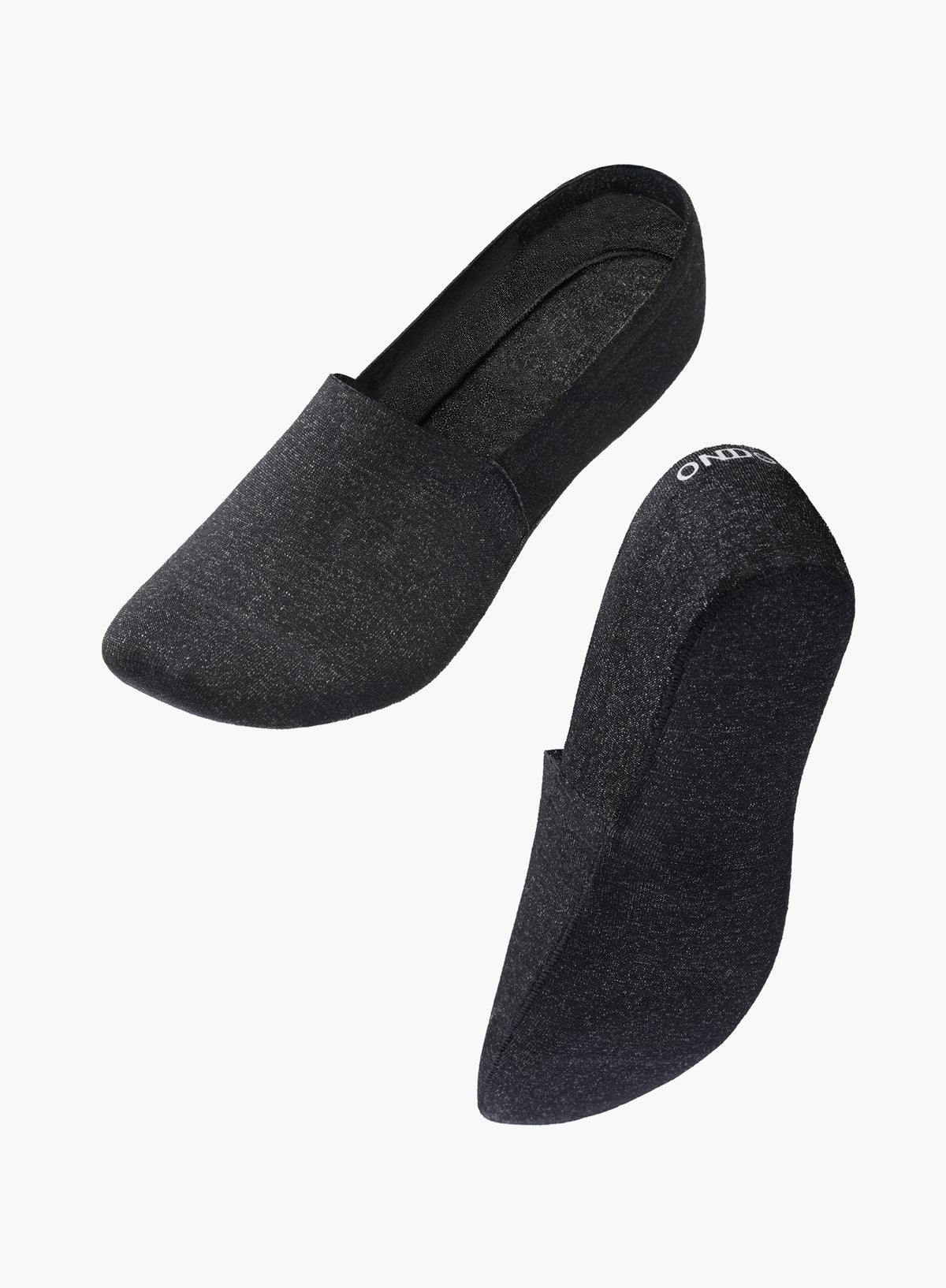
A low-cut no show sock works with closed-back pumps that provide enough upper coverage to conceal the edges. The profile sits below the shoe opening without adding unnecessary bulk inside a close-fitting pump. Heel grip keeps the back section aligned as the foot lifts during walking, with less shifting or bunching inside the shoe.

Ultra-Low Liners for Low-Vamp Pumps and Stilettos
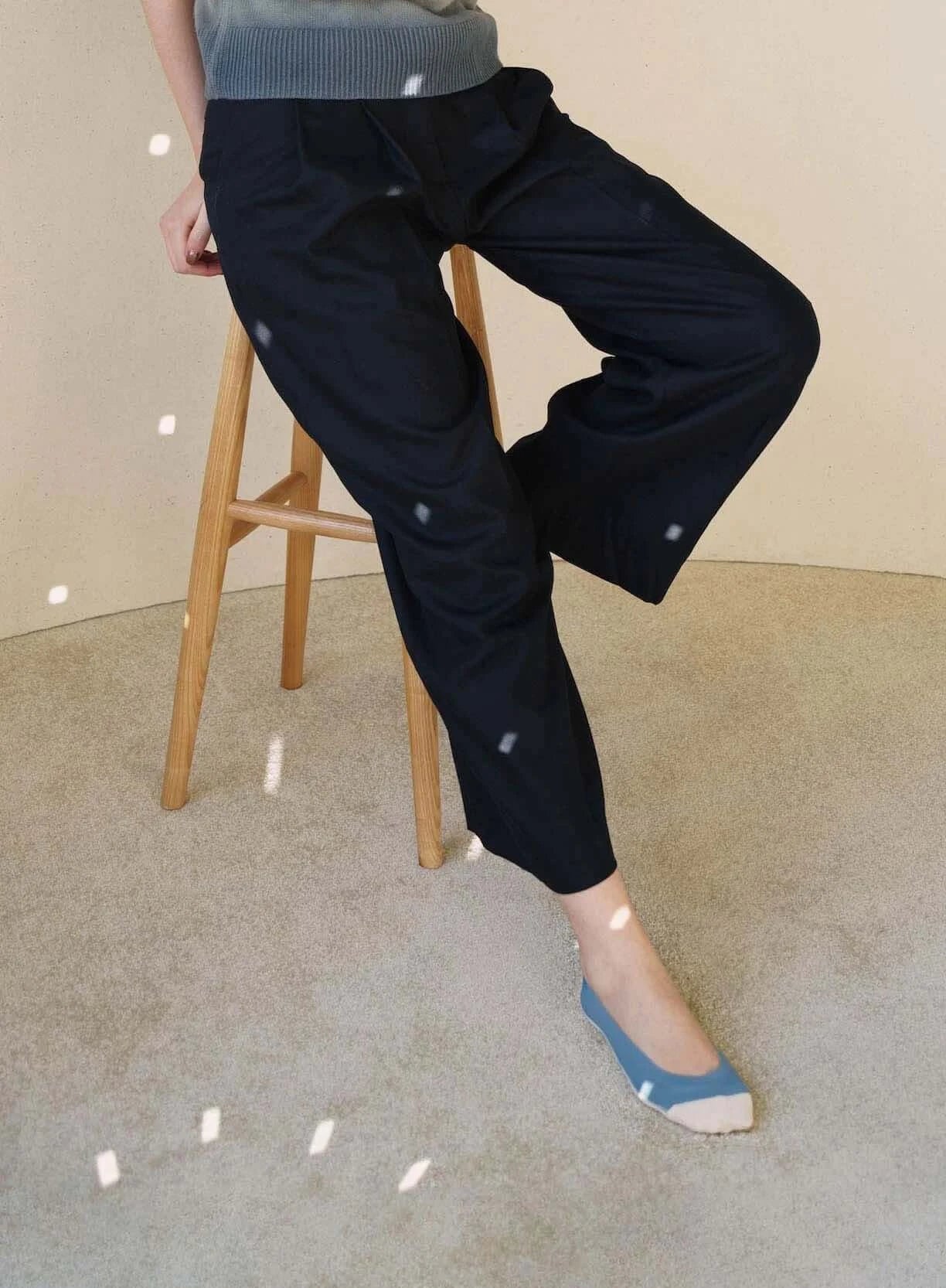
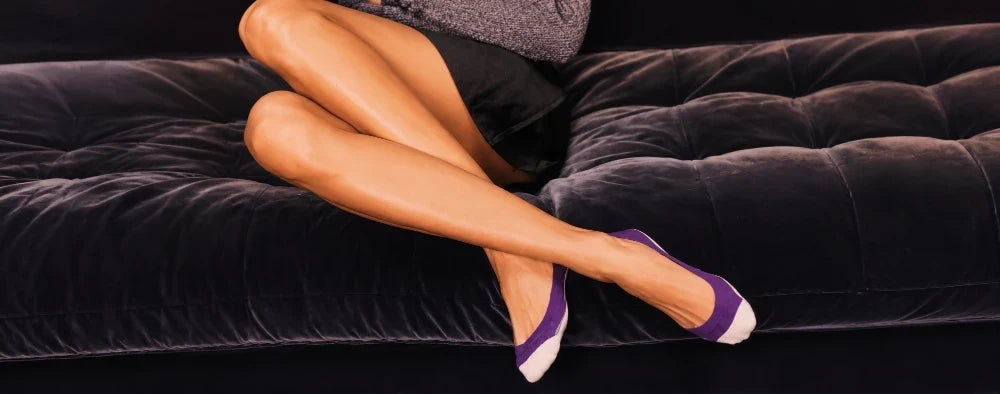
Low-vamp pumps and stilettos expose more of the toe and sides, so an ultra-low liner keeps coverage below the shoe opening. The liner edge needs to follow the opening closely to stay out of sight. Check the front and both sides once the shoes are on.
If the liner still shows along a very shallow vamp or low side opening, switch to forefoot-only coverage.
Minimal-Coverage Options for Slingback Heels
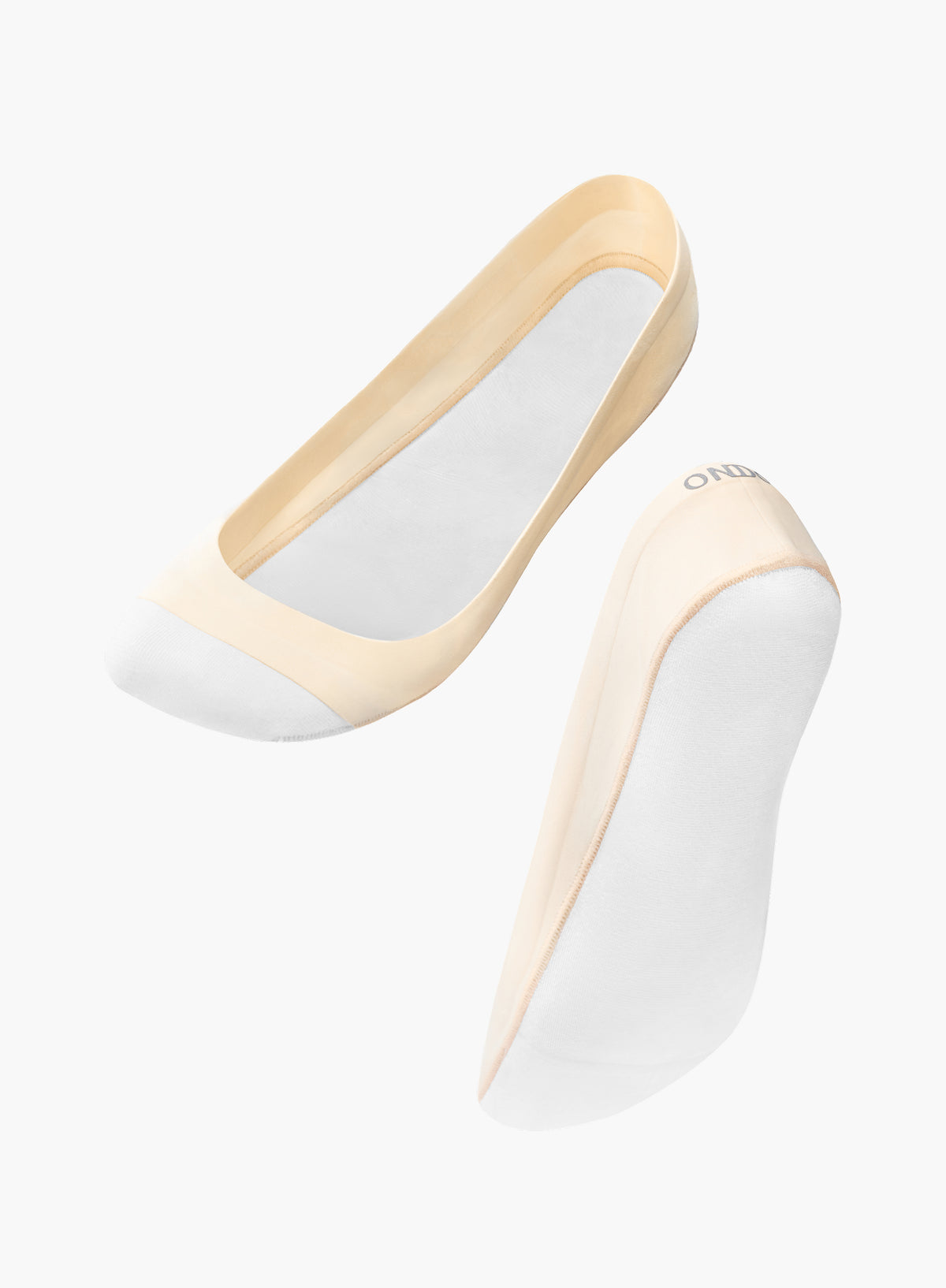
Slingbacks expose the back of the heel, so minimal coverage keeps that area clear. A forefoot-only liner removes the rear section entirely. A very low-cut option also works when its rear edge stays hidden behind the strap. Check the back once the shoes are on to confirm nothing shows.
Minimal Coverage for Strappy and Open-Toe Heels
Strappy and open-toe heels suit forefoot-only or partial-coverage liners. These cuts keep fabric away from exposed straps and toe openings, where a full no show profile leaves more material to conceal.
Why Thin Socks Still Need Grip in Heels
Lightweight construction and heel grip serve different roles in close-fitting heels. One reduces bulk; the other keeps the sock from shifting during wear.
- Less material saves space: A slim profile fits more easily inside pumps and stilettos.
- Heel grip keeps the back in place: The sock stays aligned as the foot lifts.
- Thin socks can still move: A lightweight liner may slide forward or gather underfoot without enough grip.
ONDO’s Low-Cut No Show Socks are one example. They use a double-layered toe for durability and a wide silicone grip strip around the inner heel. For U.S. orders, the No Slip Guarantee® provides a refund if the socks fall off while walking in shoes.

How to Keep Thin Socks From Sliding Under the Arch
When thin socks for heels start sliding under the arch, start with the fit and heel placement. Use these quick checks to see where the movement begins.
- Check the size: Look for a close fit without excess fabric or tension.
- Set the heel properly: Smooth the back section into place before putting on the shoe.
- Keep the grip flat: For socks with silicone grip, keep it flat against the skin.
- Test in the actual heels: Wear the shoes for a few minutes to see where shifting begins.
- Adjust the fit if needed: Try another size, grip design, or profile if the back keeps slipping off the heel.
For a deeper look at fit, grip, shoe lining, and construction, see our guide on how to stop no show socks from slipping.
Barefoot or Thin Socks With Heels?
Barefoot wear leaves no sock edge to hide and preserves the shoe’s interior space. A thin liner adds a lightweight layer between the foot and shoe, as long as the shoe covers enough of the foot to conceal the fabric.
Covered pumps enclose more of the foot and leave room for thin socks for heels with a low-profile cut. Slingbacks, strappy heels, and open-toe styles expose more areas, which affects how much fabric stays hidden. In those cases, the choice comes down to forefoot-only coverage or barefoot wear, based on shoe coverage, fit, and personal comfort.
Keep the Sock as Discreet as the Heel Requires
Choose thin socks for heels based on how much fabric the shoe can conceal. Thin construction takes up less space inside close-fitting heels, and the right fit and heel grip keep the liner positioned during wear.
Browse ONDO’s socks to compare profiles for different heel shapes, or visit ONDO to explore the full collection.
FAQs on thin socks for heels
Can I wear no show socks with pumps?
What socks work with strappy heels?
How do I stop no show socks from sliding under my foot in heels?
Are thin socks better than thick socks for heels?
Is it better to wear heels barefoot or with thin socks?
Read more
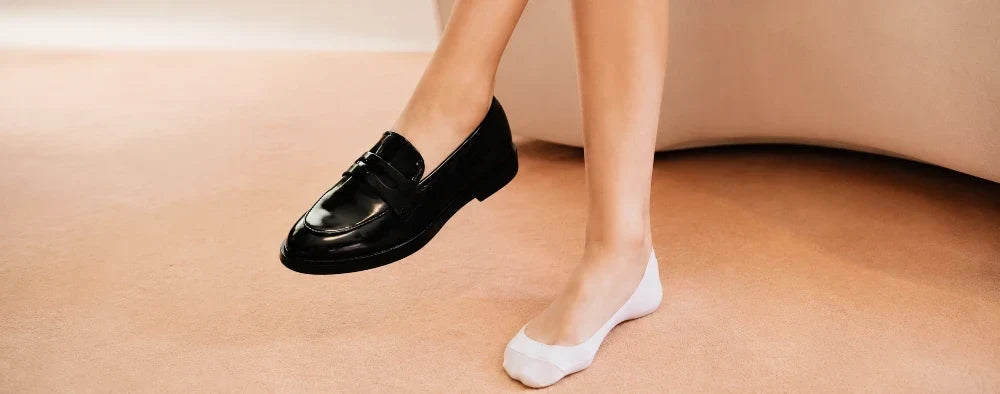
The best thin no show socks for women stay below the shoe opening without slipping, bunching, or adding unnecessary bulk. Ballet flats, pumps, shallow loafers, and other close-fitting shoes leave l...
For light everyday wear, how often to wash Merino Wool socks starts at around 2-3 wears, provided they still feel and smell fresh. How they were used and their condition afterward determine whether...