



Are No Show Socks Good for Dress Shoes?
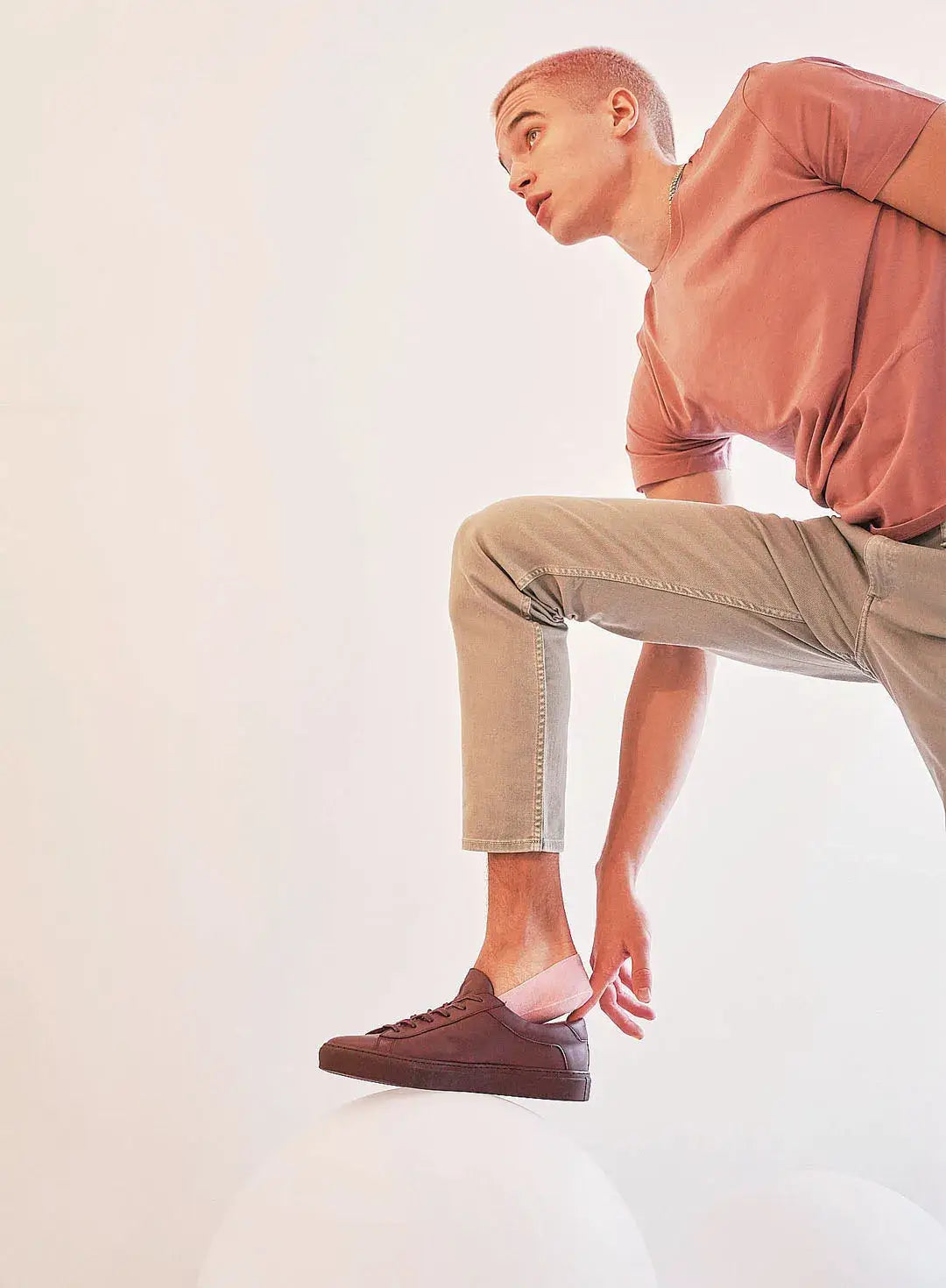
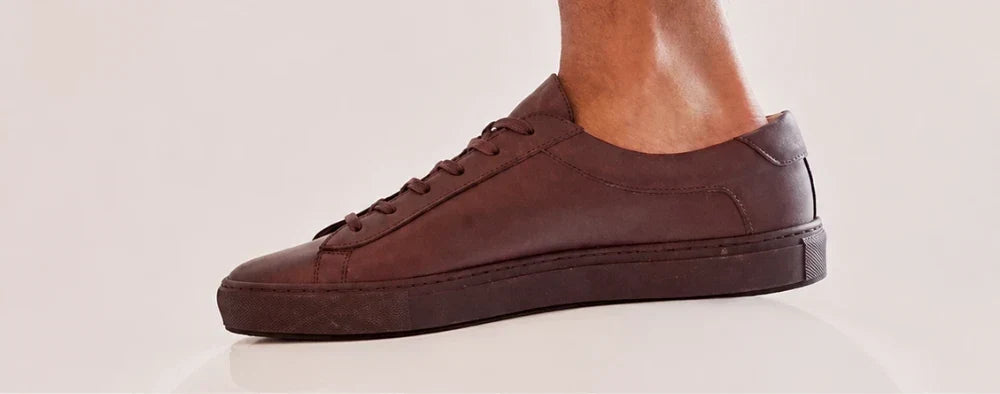
Are no show socks good for dress shoes? Yes, as long as the sock cut matches the shoe opening, stays fully concealed, and remains secure around the heel. When properly fitted, no show socks create a clean, sockless appearance without crowding the shoe. They also provide a lightweight layer that can help manage moisture and limit direct rubbing throughout the day.
However, the same sock profile will not work with every style. Enclosed loafers, oxfords, and derbies can usually conceal standard no show socks, while shallow loafers, flats, Mary Janes, and closed-toe pumps often require a lower cut. This guide explains which profiles suit different dress shoes and how to choose a pair that stays hidden without slipping.

Can You Wear No Show Socks With Dress Shoes?
Yes. No show socks work with dress shoes when the outfit intentionally exposes the ankle and the socks remain fully hidden. They pair especially well with loafers, cropped trousers, casual tailoring, and smart-casual or business-casual looks.
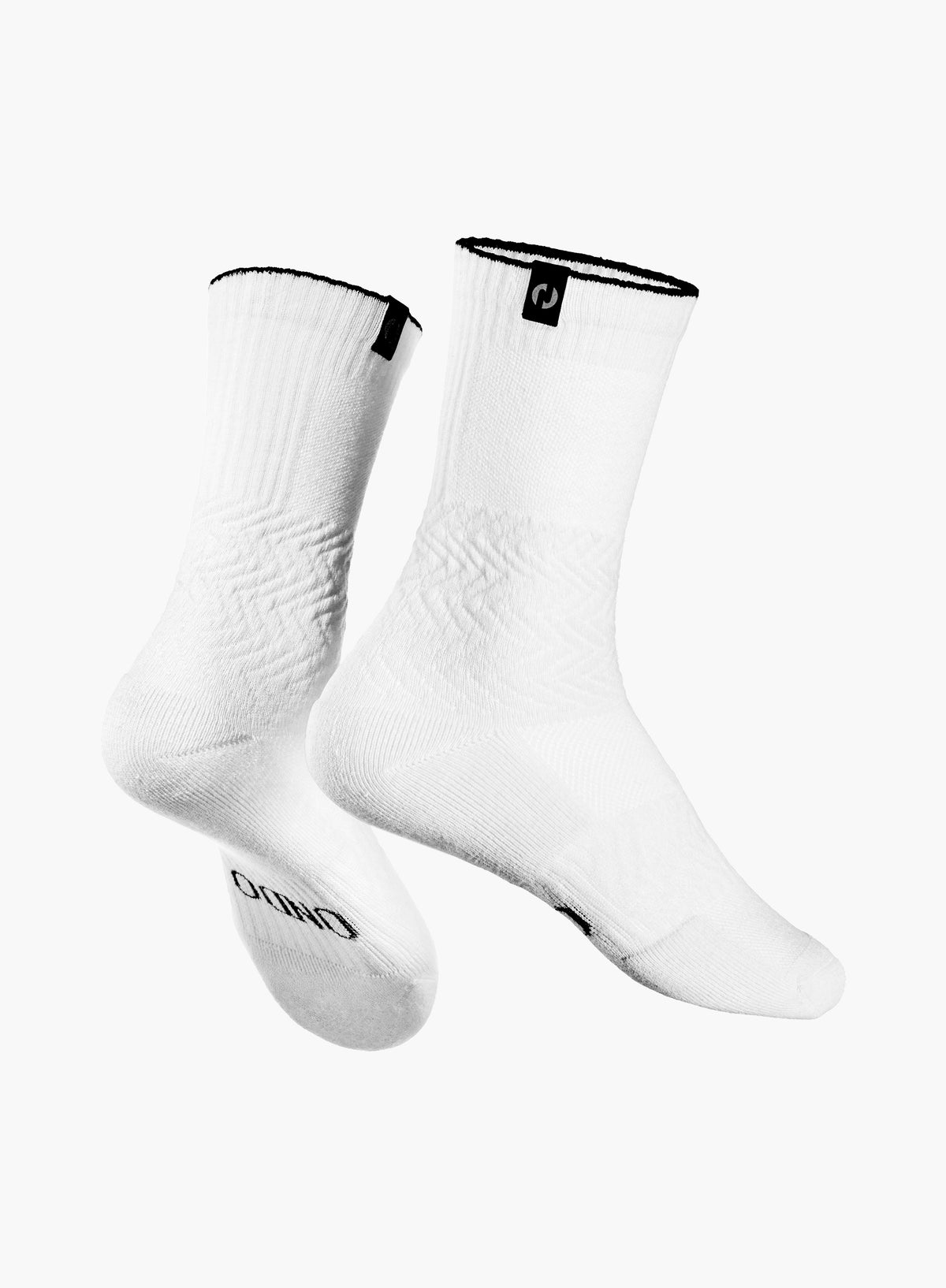
However, they are less appropriate in conservative or formal settings. With traditional business suits, formal tailoring, or events that require continuous coverage between the trouser hem and shoe, visible dress socks are generally the safer choice. If you are also wondering, “can you wear crew socks with dress shoes?”, choose a lightweight, fine-knit pair that complements the trousers and does not add excess bulk inside the shoe.
Which Dress Shoes Work Best With No Show Socks?
Shoes with enclosed sides and a closed heel are generally the easiest to wear with no show socks. Low-cut or wide-opening styles require a closer match between the shoe opening and sock shape.
Shoe construction is a more useful guide than gender labels. No show socks for women’s dress shoes often use lower cuts for ballet flats, pumps, and Mary Janes, while no show socks for men’s dress shoes commonly use standard cuts for oxfords, derbies, and enclosed loafers.
Loafers
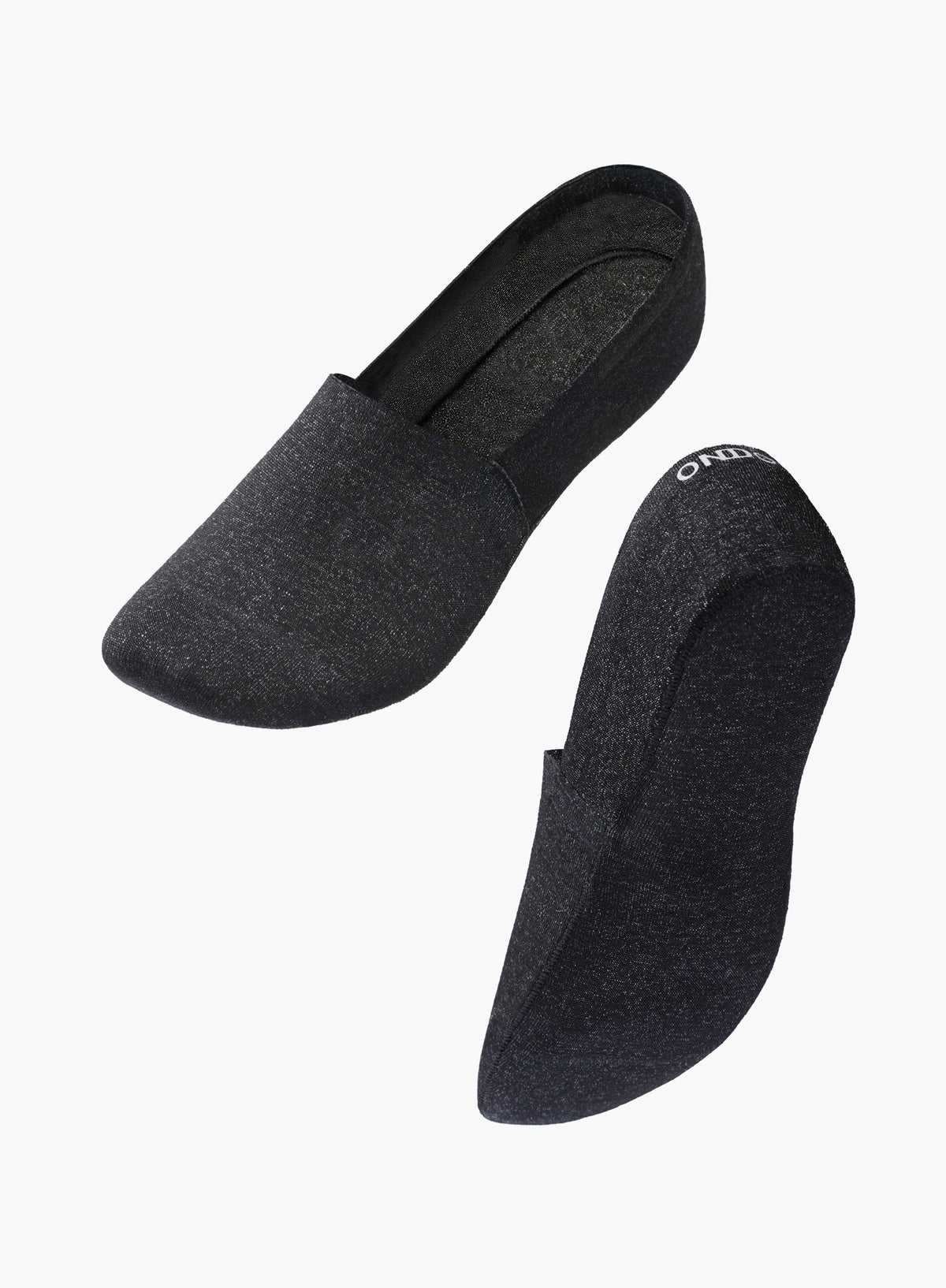
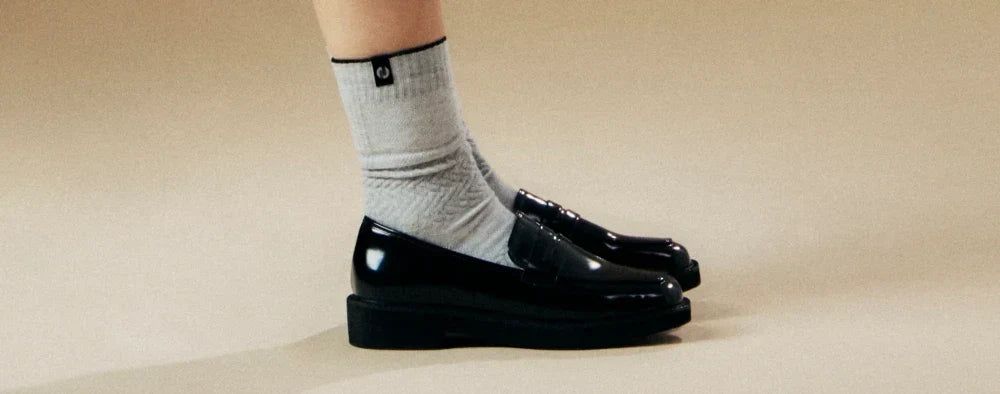
High-vamp loafers can often conceal a standard cut, while shallow or wide-opening designs may need a lower cut. Check the vamp and both sides while standing and walking to make sure no fabric is visible.
Oxfords and Derby Shoes
The lace-up construction and enclosed sides of oxfords and derbies make no show socks relatively easy to conceal. Choose a lightweight pair that lies flat across the foot, as excess bulk can tighten the toe box or increase heel movement. Test the combination in the shoes you plan to wear to confirm that the fit remains comfortable.
Flats, Mary Janes, and Pumps
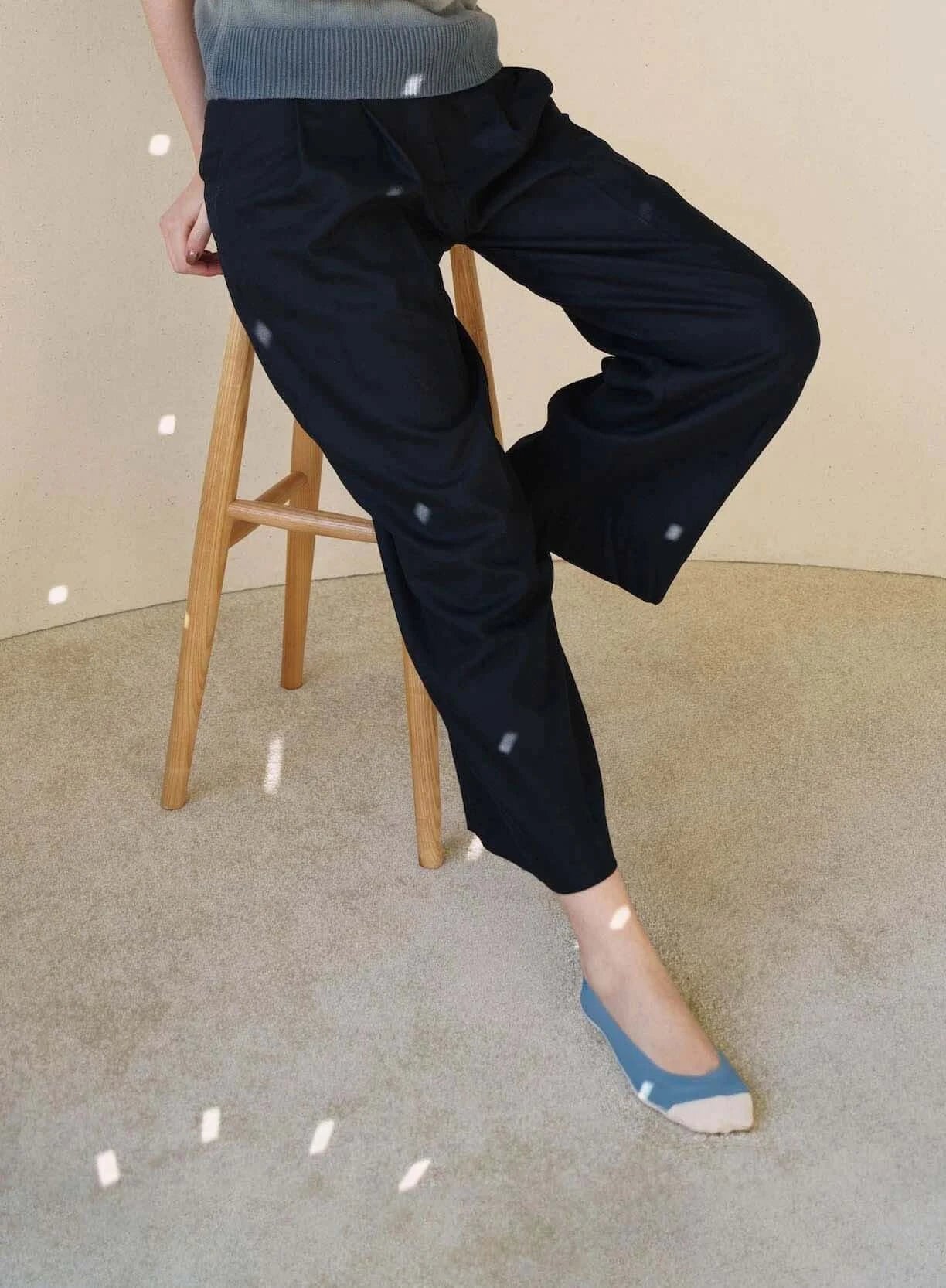
Flats with a higher topline can often conceal a standard profile. Ballet flats and other shallow designs usually need a lower cut that stays below the shoe line without sliding underfoot.
For Mary Janes, visibility depends on the side opening and strap placement. With closed-toe pumps, check the vamp and outer edges for exposed fabric. Mules, slingbacks, and open-toe or open-back styles are less compatible because the sock may show or shift out of place.
How Do You Choose No Show Socks That Do Not Slip?
A secure no show sock needs the right cut, size, heel grip, coverage, and thickness. It should stay hidden without pulling tightly across the toes, gathering under the arch, or sliding below the heel. The sock also needs to suit the shoes you plan to wear. A strong grip cannot correct the wrong size or cut.
Match the Sock Cut to the Shoe Opening
Put on the socks and shoes, then check whether any fabric appears around the vamp, sides, straps, or heel. Walk a few steps to make sure the sock remains concealed and does not shift underfoot. If it shows, try a lower cut. If it slips, recheck the size, heel fit, and whether the cut suits the shoe opening.
Choose the Correct Size
Use the brand’s size chart and follow the guidance for that specific style. If you are between sizes, also consider your foot width and the shape of the shoe’s toe box. The sock should lie flat without bunching, overstretching, or pulling away from the heel.
Check the Heel Grip
Look for a heel grip with enough contact area to remain secure as you walk. Make sure it sits directly against clean, dry skin. The shoe should also fit properly, since excessive movement at the back can pull the sock out of place.
Consider Fabric and Thickness
Lightweight socks are generally better suited to close-fitting dress shoes because excess bulk can tighten the toe box or increase heel movement. When moisture management is the priority, moisture-wicking blends may be more practical than all-cotton socks in warm, enclosed shoes. Cleveland Clinic notes that all-cotton socks can trap moisture, while moisture-wicking options help move it away from the skin (1).
Depending on the blend and knit, added fibers can improve stretch, drying speed, and shape retention while retaining the familiar feel of cotton. Merino Wool blends are another practical option for long days and changing temperatures. Woolmark identifies moisture management, temperature regulation, and odor resistance as inherent Merino Wool properties (2).
ONDO applies the same selection factors across three no show sock styles.
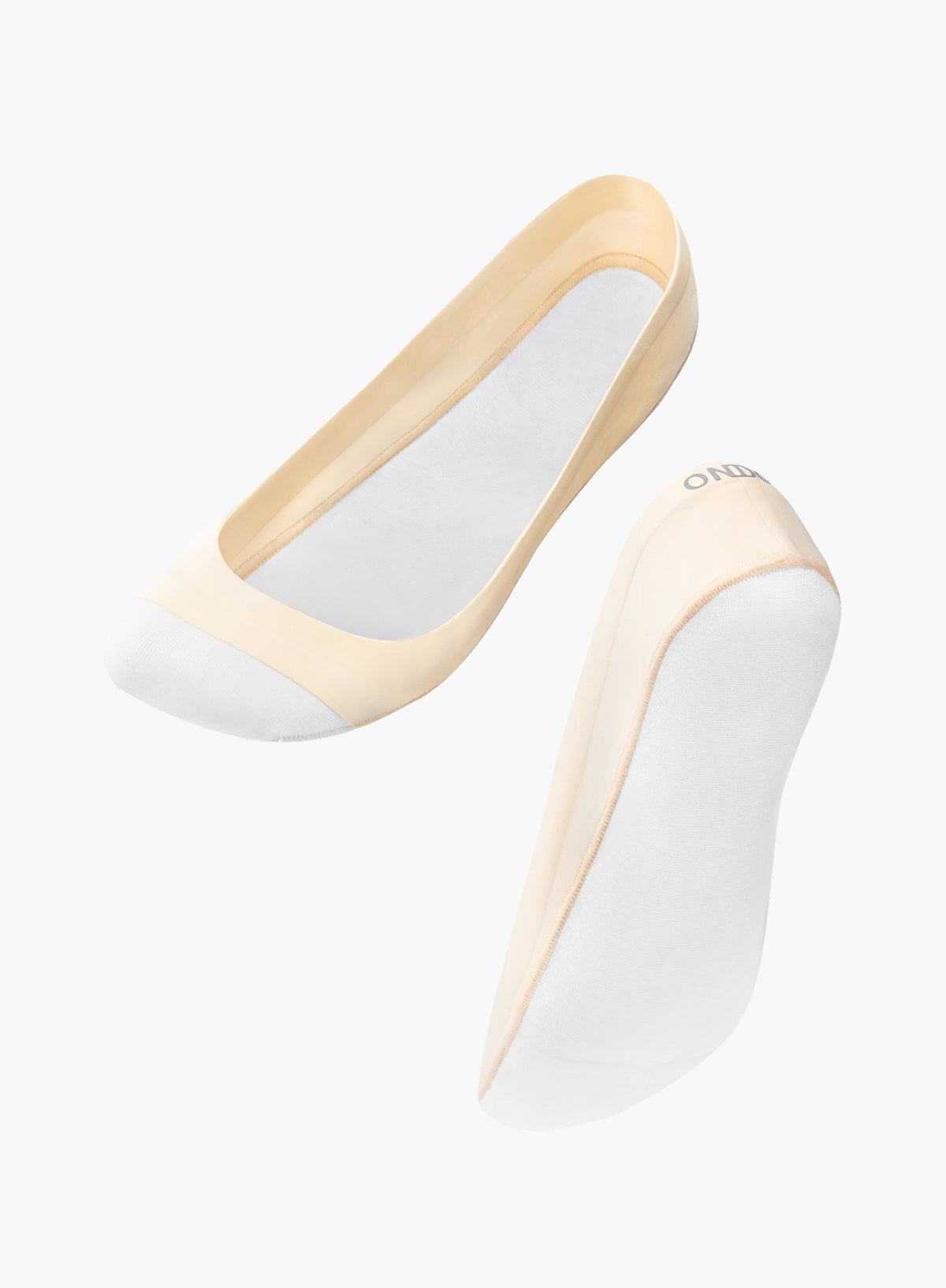
- Low-Cut No Show Socks use a low-cut design intended for flats, loafers, and espadrilles. The body contains 81% MIPAN aqua-X nylon and 19% spandex, while the sole contains 64% certified organic cotton, 24% aerolight polyester, and 12% spandex.
- Cotton No Show Socks provides more coverage and uses 64% certified organic cotton, 24% aerolight polyester, and 12% spandex.
- Merino Wool No Show Socks contains 67% Woolmark-certified Australian Merino Wool, 27% nylon, and 6% spandex.
All three use ONDO’s wide silicone grip strip and are covered by the No Slip Guarantee®. The best match still depends on the shoe opening, sock size, and heel fit.

References:
- Cleveland Clinic. 5 Ways To Avoid Blisters (and the Best Way To Treat Them).
- The Woolmark Company. Wool fibre facts & benefits.
FAQs
What type of no show socks work best with loafers?
How do I keep no show socks from slipping in dress shoes?
Can I wear no show socks with ballet flats?
Should no show socks match the color of dress shoes?
Are no show socks appropriate for the office?
Read more
Crew socks are still in style in 2026, and the look has lasted well beyond a single season. Visible crew socks are now an intentional part of casual, preppy, and smart-casual outfits, adding color,...
Crew socks are still in style in 2026, and the look has lasted well beyond a single season. Visible crew socks are now an intentional part of casual, preppy, and smart-casual outfits, adding color,...