



Invisible Socks for Sandals: How to Find the Right Fit
Invisible socks work with sandals that provide enough coverage around the toe, sides, and heel to keep the sock concealed. Compatibility depends on how much of the foot each design exposes and whether the sock stays in place when walking.
Use the table below to match each sandal style with the most suitable sock cut.
|
Sandal Style |
No Show Compatibility |
Main Issue |
Recommended Approach |
|
Closed-toe / covered sandals |
High |
Vamp depth |
Low-cut or conventional no show |
|
Fisherman / cutout sandals |
Medium |
Side openings |
Low-cut no show |
|
Slingback sandals |
Low to Medium |
Exposed heel |
Very low-cut no show or slingback liner |
|
Slides / open-back mules |
Low |
Visible heel |
Forefoot or toesie liner |
|
Strappy / open-toe sandals |
Very Low |
Toe and side exposure |
Forefoot or toesie liner, if fully concealed |
Can You Wear Invisible Socks With Sandals?
Yes, but only when every visible sock edge stays below the sandal’s footwear line. Check the toe opening, side coverage, vamp depth, and heel construction. Together, these areas define the available coverage.
Greater coverage gives a conventional no show sock more room to stay concealed. Less coverage narrows the range of compatible cuts.
Which Invisible Socks Work With Different Sandal Styles?
Match the sock profile to the sandal construction. The sections below show when to choose a regular, low-cut, or very low-cut no show, and when a liner works better.
Closed-Toe and More Covered Sandals
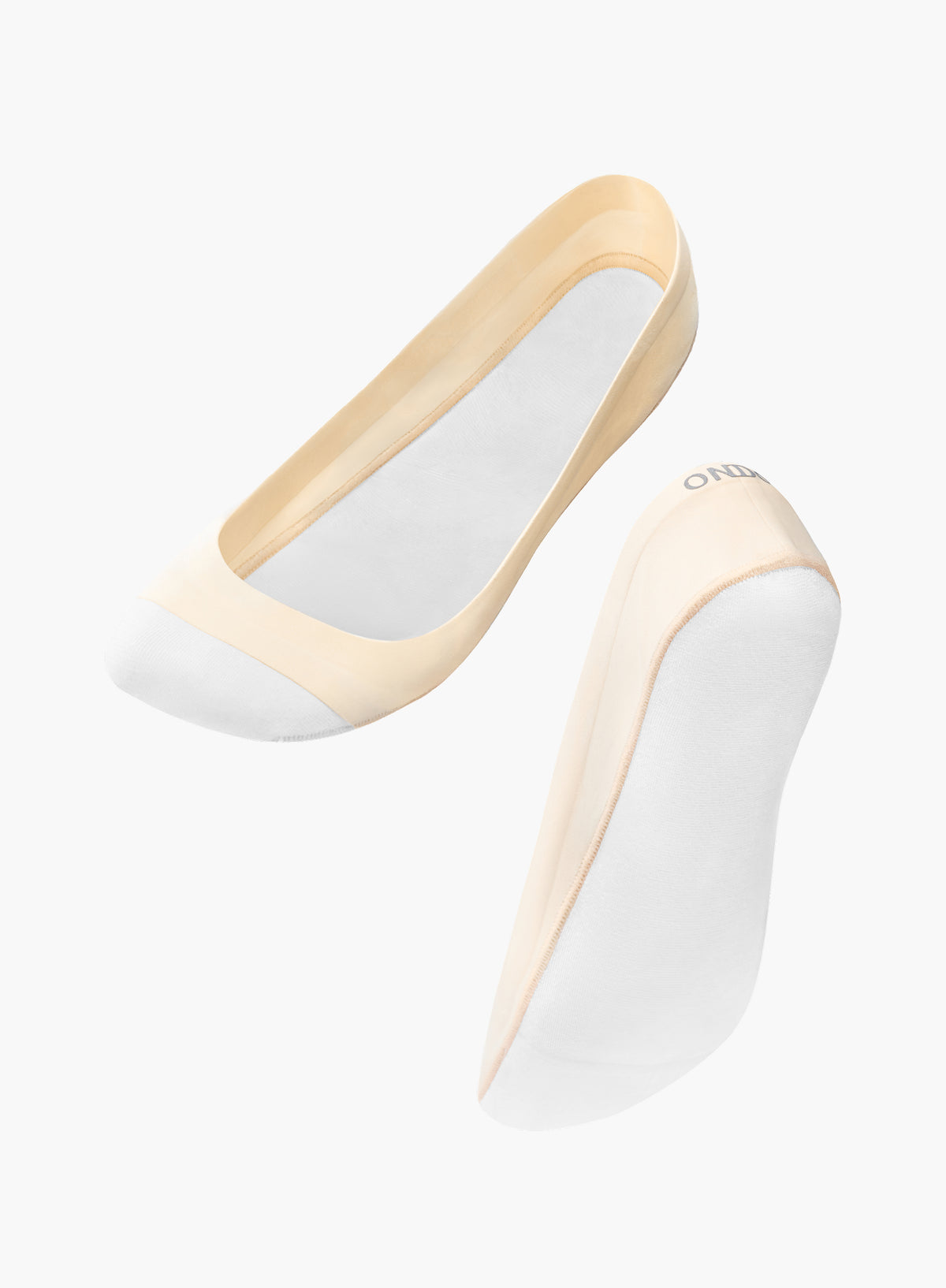
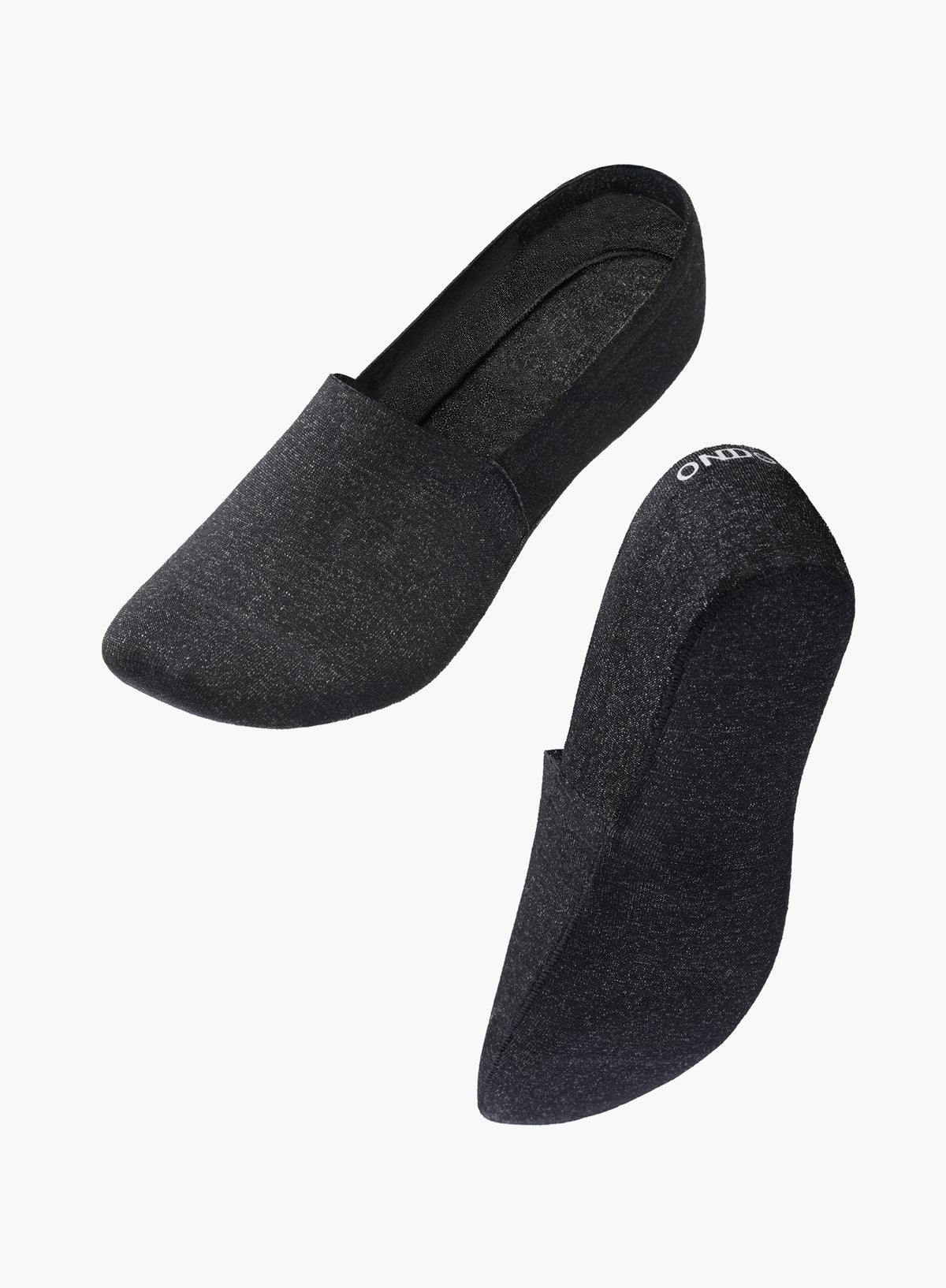
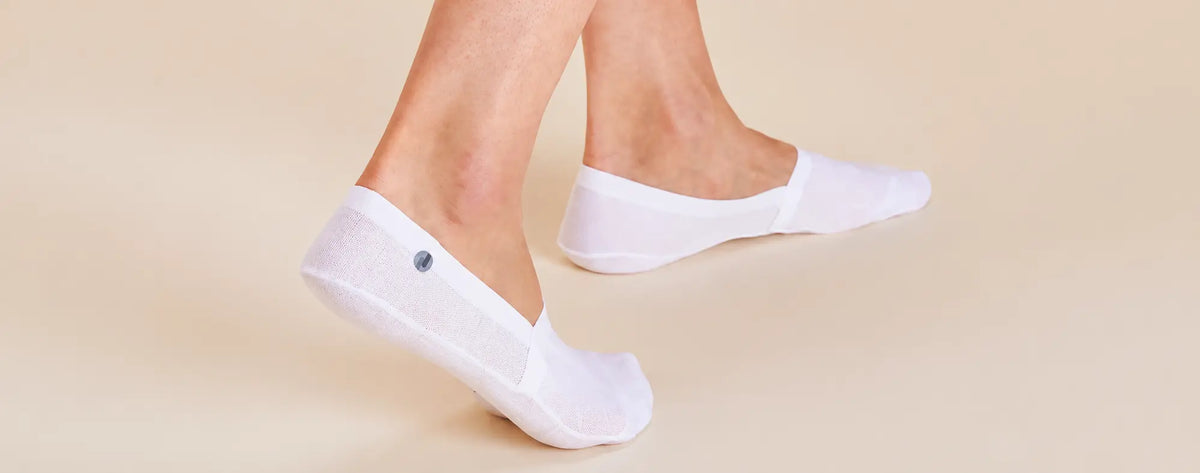
A regular no show sock works well with closed-toe and more covered sandals when the upper provides enough coverage. ONDO's Cotton No Show Socks suit this type of fuller footwear profile. Choose a low-cut no show if the vamp or side line sits lower to keep the sock below the footwear line.

Fisherman and Cutout Sandals
A low-cut no show sock is usually a good option for fisherman and cutout sandals with enough coverage. When choosing invisible socks for sandals with side openings, inspect each cutout carefully, since even a small section of fabric may show through. Check the footwear from both sides and above before deciding on the sock cut.
Slingback Sandals
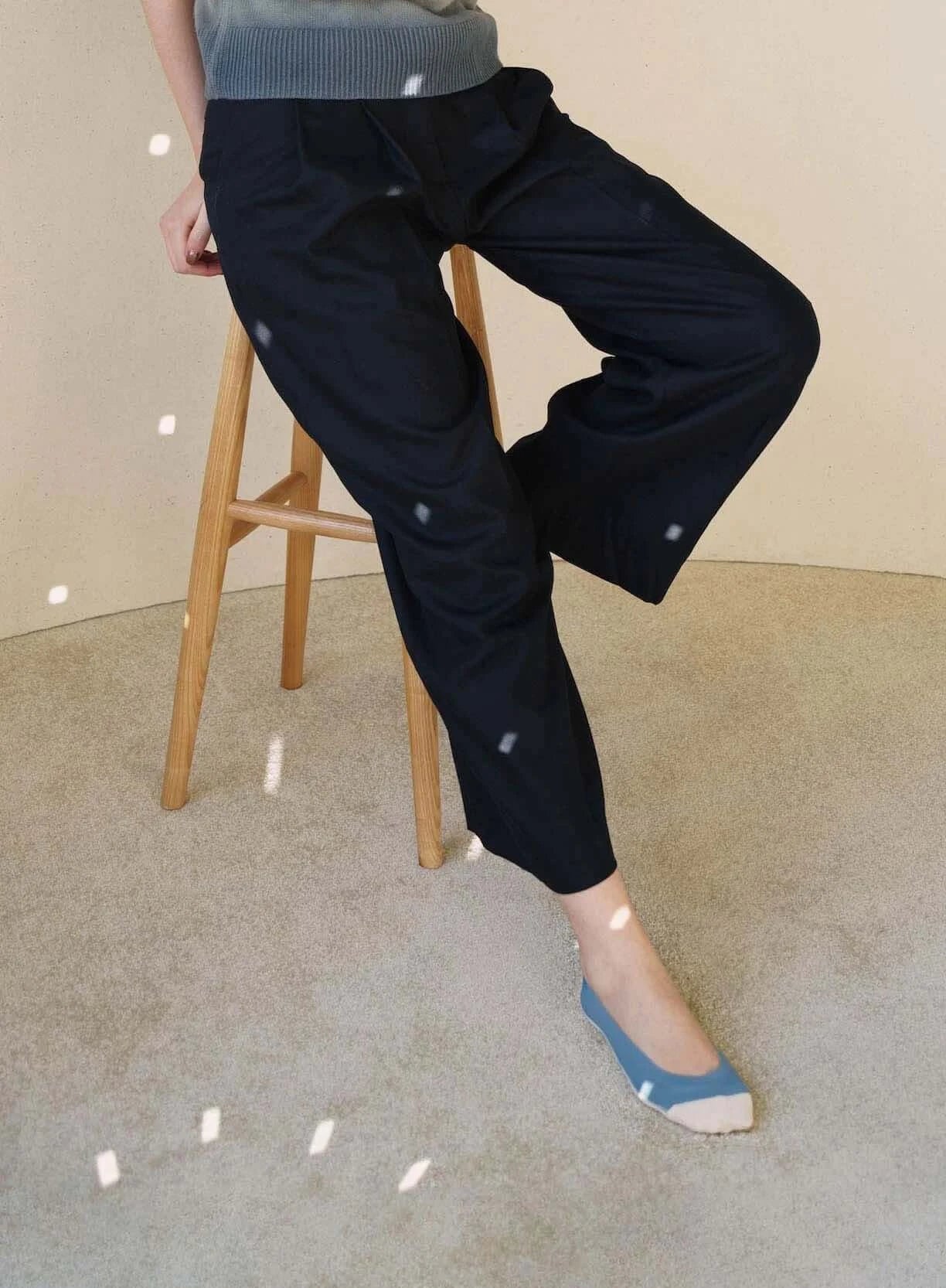
A very low-cut no show sock may work with slingback sandals if the sock’s heel edge stays fully concealed. Check whether the back of the sock sits below or fully behind the heel strap, since front coverage alone does not determine compatibility. For styles with more heel exposure, a slingback liner is a better option.
When Invisible Socks Don't Work With Sandals?
Invisible socks usually do not work when a sandal leaves the heel, toes, or large sections of the sides exposed. Going lower does not always solve the problem because a full-foot no show sock still needs enough coverage to stay concealed.
Slides and Open-Back Mules
Slides and open-back mules leave the heel exposed, making a full-foot no show sock hard to conceal. Even with a covered toe, the heel section can show from the back or sides. A forefoot or toesie liner is a better option because it covers the front of the foot without wrapping around the exposed heel.
Strappy and Open-Toe Sandals
Strappy and open-toe sandals expose the toes and sides, making full-foot no show socks difficult to conceal. A forefoot or toesie liner works better with highly open designs because it limits coverage to the forefoot. Check that no fabric appears around the toes, through side openings, or between straps. If the liner still shows, the sandal is better worn without a hidden sock.
What to Look for in Invisible Socks for Sandals
Once the footwear is compatible, focus on cut, grip, fabric, and size.
A Cut That Matches the Sandal
Compare the sock opening with the sandal’s toe, side, and heel lines, then choose a profile that keeps every edge concealed without sacrificing fit. Low-cut styles suit footwear with shallower openings, while regular no show socks work with designs that cover more of the foot.
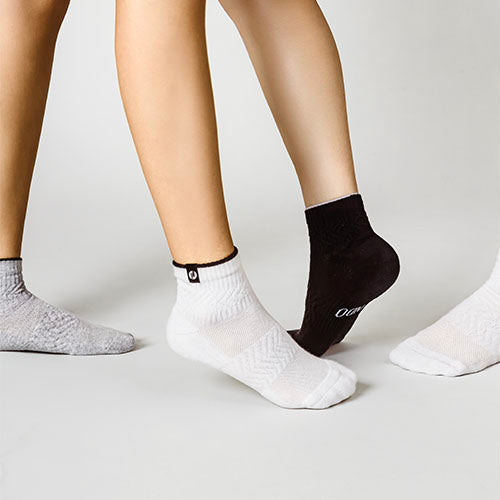
For example, ONDO’s Low-Cut No Show Socks are its lower-cut option for shallow footwear, while the Cotton No Show Socks and Merino Wool No Show Socks work with footwear that provides more coverage. Check the combination from the front, sides, and back to confirm the sock stays concealed.

A Heel Grip That Stays Put
Secure heel retention helps limit shifting, bunching, or fabric creeping into view. Look for a grip that sits flat against the skin, then walk for a few minutes to see whether the sock stays stable.
Some invisible socks use silicone or other anti-slip elements at the heel to improve hold. For example, ONDO’s socks include no show styles that use a wide silicone strip around the heel, backed by the No Slip Guarantee® for U.S. orders.
Lightweight, Moisture-Managing Fabric
Even with open footwear, covered areas can still become warm and damp. Choose a breathable sock that manages moisture without adding excess bulk.
Fabric performance depends on the full construction. For example, ONDO’s Merino Wool No Show Socks use a lightweight blend with 67% Woolmark-certified Merino Wool to support breathability and temperature regulation.
The Right Size
The right size helps the sock stay smooth and below the sandal line. Excess fabric can bunch or shift into view, while a tight fit can affect how the heel sits. Follow the size guidance for the specific style rather than applying one rule to every no show sock.
Sizing recommendations can vary by style, especially when your measurements fall between sizes. Check the guidance for the specific pair before choosing. ONDO’s Size & Care Guide provides sizing information across its sock range. After putting the socks on, flex the foot and walk normally to check for pulling, bunching, or movement.
Common Mistakes That Make Invisible Socks Show
Even a well-fitting no show sock can become visible when its shape does not match the sandal. When choosing invisible socks for sandals, most visibility problems come from a mismatch between the sock cut and the sandal’s coverage.
-
Choosing by foot size alone: A sock can fit your foot and still sit too high for the sandal. Match the cut to the amount of coverage the footwear provides.
-
Looking only at the toe: Side openings can reveal fabric even when the front stays hidden. Make sure the edges stay below the side line too.
-
Forgetting the heel: The back edge can show around a heel strap or open section. Check the sandal from behind as well.
-
Wearing a regular no show with a shallow sandal: A higher profile can rise above a low vamp or side line. A lower-cut style gives a better match.
-
Assuming every no show sock stays invisible: The result depends on the shape of the footwear, not the sock label alone.
-
Judging the fit while standing still: Movement can shift the sock into view. Walk a few steps and see whether the edges stay concealed.
Choose Invisible Socks Based on Your Sandals
The right invisible socks for sandals start with the footwear. Check how much of the toe, sides, and heel are covered, then choose a sock cut that stays below those lines. From there, focus on secure heel retention, the right size, and lightweight materials that sit smoothly inside the sandal.
For sandals that work with no show socks, compare profiles based on the amount of coverage you need. Explore ONDO for low-cut, cotton, and Merino Wool options designed for different footwear shapes and everyday wear.
FAQs on invisible socks for sandals
What socks work best with closed-toe sandals?
Can I wear invisible socks with open-toe sandals?
Do invisible socks work with slingback sandals?
How do I keep invisible socks from slipping in sandals?
Are low-cut socks better than regular no show socks for sandals?
Read more
The best no show dress socks for men and women stay hidden inside loafers or oxfords, grip the heel securely, and use thin, breathable materials. A good pair remains in place throughout the day wit...
White crew socks suit casual outfits, relaxed workdays, walking, light activity, travel, downtime, and social plans. Their visible crew height makes the sock part of the outfit rather than somethin...